
Does Mosquitoes Attack you more than they do to other people around you?
Find Out why.
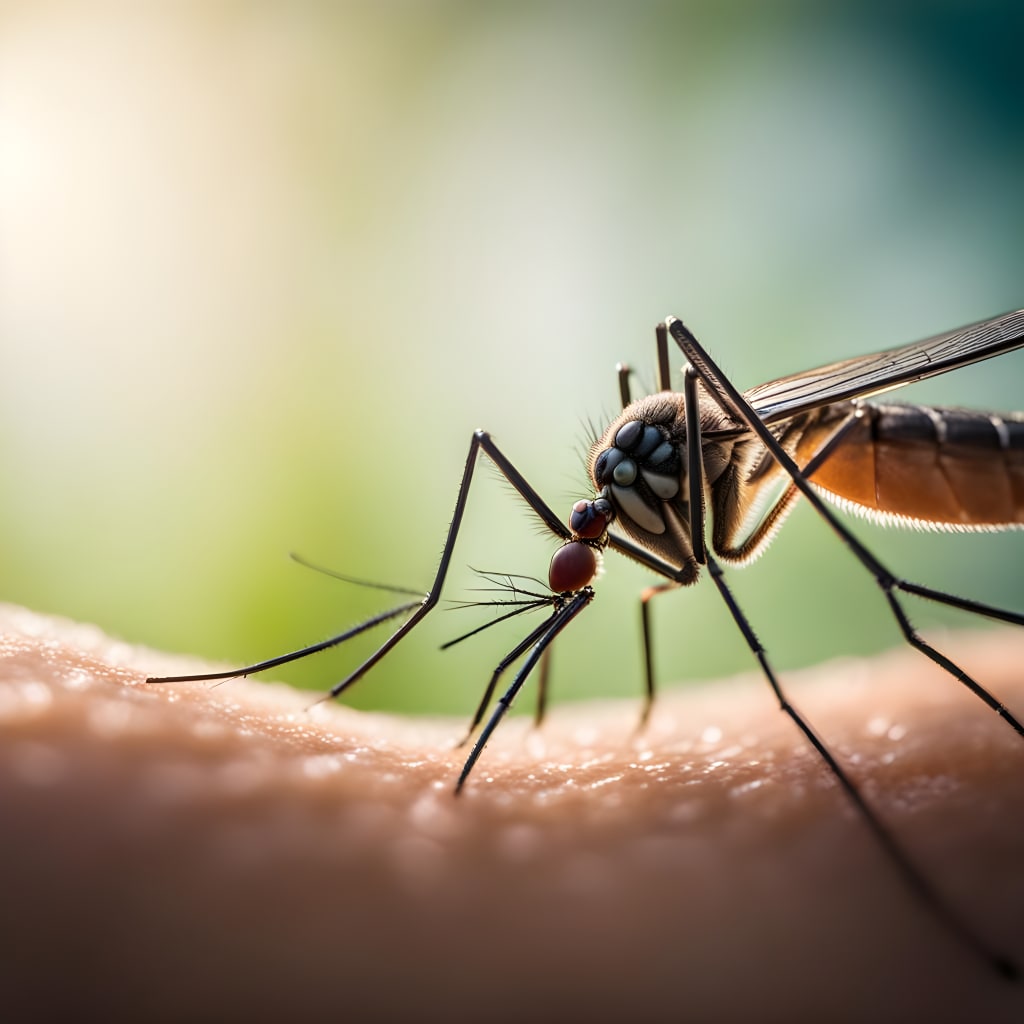
Many people swear they’re cursed to be relentlessly hunted by mosquitoes while their close-by companions are regularly left unscathed. But is this perception an illusion, or is there more to it? To unravel the mystery of why mosquitoes seem to have a preference for certain individuals, we must delve into the intricate world of mosquito behavior and biology.
Firstly, it's essential to understand that not all mosquitoes are created equal. While male mosquitoes primarily feed on nectar for sustenance, it's the females that are responsible for those itchy mosquito bites. Female mosquitoes also seek out blood to provide the nutrients required for developing their eggs. Over the course of evolution, different mosquito species have evolved to feed on various animals, including humans. In fact, probably within the last 10,000 years, multiple mosquito lineages independently developed a preference for humans as a source of blood.
As human settlements became more permanent, they provided an ideal breeding ground for mosquitoes. The standing water in these settlements, even during intense dry seasons, supported mosquito reproduction year-round. This availability of breeding sites contributed to the persistence of human-seeking mosquito populations.
So, how do these tiny, blood-thirsty insects locate us so effectively? Female mosquitoes possess antennae covered in hair-like appendages, which contain odor-sensing receptors and neurons. These antennae pick up on the chemical signals emitted by their preferred hosts. Over millennia, mosquitoes targeting humans have honed their ability to track us down with remarkable precision. They also tend to target parts of our bodies where we’re less likely to notice them, further enhancing their stealthy approach. Moreover, they are sensitive to visual cues and changes in airflow, making it difficult for us to defend ourselves effectively. Some even learn to avoid particularly defensive individuals altogether.
Before mosquitoes get up close and personal with us, several factors alert them to our presence. One key factor is carbon dioxide, which humans constantly exhale. Female mosquitoes can detect carbon dioxide emissions from as far as 10 meters away. Once they've identified this carbon dioxide cue, they become especially interested in dark, high-contrast objects and the specific hues found in human skin. As they follow the carbon dioxide plume to its source, they eventually sense body heat and distinct human odors.
These odors are generated by the vast array of microorganisms that call our skin home. These tiny inhabitants break down the secretions our bodies produce, such as sweat and sebum, creating smaller organic compounds that can vaporize and get picked up as distinctive smells. These smells are particularly appealing to mosquitoes that have evolved to target humans. Interestingly, factors like increased sweating (perhaps due to physical activity), alcohol consumption, and pregnancy can temporarily make individuals more attractive to mosquitoes.
Intriguingly, the Plasmodium parasite responsible for malaria can manipulate its human hosts to become more appealing to mosquitoes. It achieves this by increasing the amounts of certain fruit-smelling aldehyde compounds on the host's skin. This manipulation benefits the parasite because it depends on both humans and mosquitoes to complete its reproductive cycle.
However, beyond these temporary factors, around 20% of people are considered natural mosquito magnets, disproportionately targeted year after year. This heightened attractiveness may stem from specific skin characteristics. While carbon dioxide and body heat are universal indicators of warm-blooded animals, human body odor is more distinct and varies from person to person based on their unique microbial communities. Studies have shown that the receptors mosquitoes use to detect acidic compounds are crucial in guiding them toward humans. Thus, individuals with a higher concentration of skin acids tend to be consistently more attractive to mosquitoes. Genetic factors may also play a role in determining the skin's microbial composition, as mosquitoes exhibit similar levels of attraction among identical twins but respond more variably to fraternal twins.
Understanding why some people are more prone to mosquito bites has far-reaching implications. Mosquito-borne diseases claim hundreds of thousands of lives each year, and resources often fail to reach those who need them most. This knowledge can inspire innovative solutions, such as the development of more effective insect repellents that manipulate the skin's microbiome and odors. Additionally, identifying individuals who are particularly susceptible to mosquito bites can help target them with essential resources like repellents, bed nets, vaccines, tests, and treatments. Ultimately, this research could lead to not only less itching but also the disruption of disease transmission cycles and the potential to save countless lives.
About the Creator
Enjoyed the story? Support the Creator.
Subscribe for free to receive all their stories in your feed.
Comments
There are no comments for this story
Be the first to respond and start the conversation.