
Desert ecosystems (adaptations, flora/fauna)
Desert Ecosystems: Adaptations, Flora, and Fauna

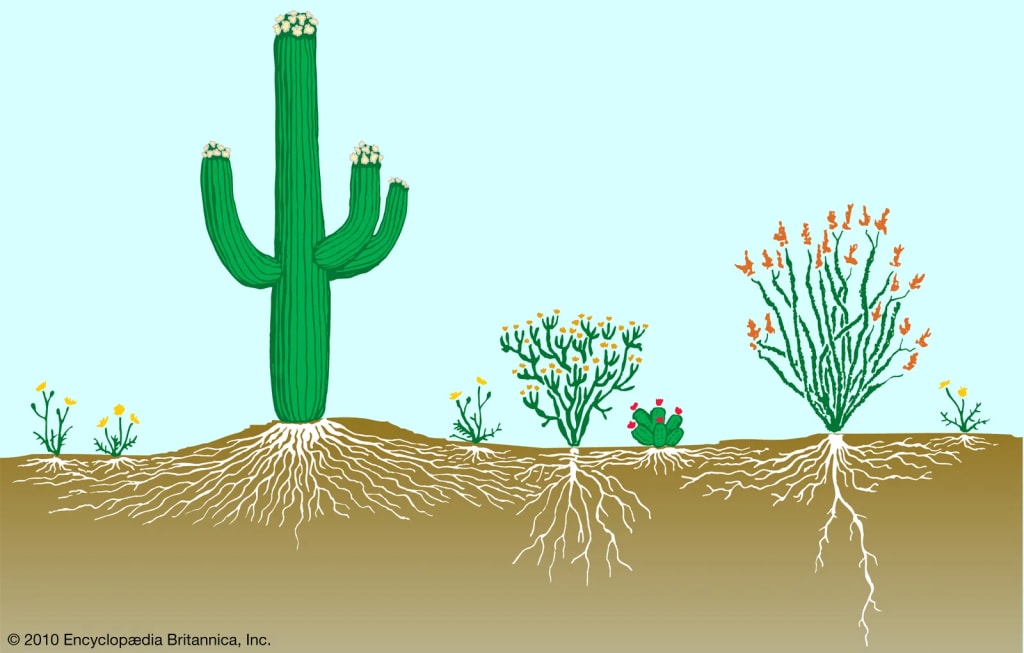
Desert ecosystems are among the most extreme and fascinating biomes on Earth. Characterized by arid conditions, extreme temperatures, and minimal precipitation, deserts cover approximately 20% of the planet’s land surface. Despite these harsh conditions, a remarkable variety of flora and fauna have evolved unique adaptations to survive in such an environment. Understanding these adaptations helps us appreciate the resilience of life in one of the most challenging habitats on Earth.
Adaptations in Desert Ecosystems
Desert organisms have developed extraordinary physiological, behavioral, and structural adaptations to cope with the scarcity of water, intense heat during the day, and cold temperatures at night. These adaptations can be categorized into plant and animal survival strategies.
1. Plant Adaptations
Plants in desert ecosystems have evolved several mechanisms to conserve water and withstand extreme temperatures. These adaptations include:
Xerophytic Features: Desert plants, known as xerophytes, have specialized features to reduce water loss. For instance, cacti have thick, fleshy stems that store water and reduce transpiration.
Reduced or Modified Leaves: Many desert plants have small, needle-like leaves or spines instead of broad leaves, reducing surface area and minimizing water loss. Some, like succulents, store water in their tissues.
Deep Root Systems: Many desert plants have extensive root systems that reach deep into the soil to access underground water sources. The mesquite tree, for example, has roots that can extend over 50 meters underground.
CAM Photosynthesis: Some desert plants use Crassulacean Acid Metabolism (CAM) photosynthesis, a process that allows them to open their stomata at night to minimize water loss while still carrying out photosynthesis efficiently.
Waxy Coatings and Reflective Surfaces: Many desert plants have a waxy cuticle on their leaves or stems to reduce water loss. Others, like some shrubs, have light-colored or reflective surfaces to deflect sunlight and minimize heat absorption.
2. Animal Adaptations
Desert animals exhibit incredible adaptations that enable them to survive with limited water and extreme temperatures. These include:
Nocturnal Behavior: Many desert animals, such as fennec foxes and kangaroo rats, are nocturnal, meaning they are active at night when temperatures are cooler, reducing water loss through perspiration.
Water Conservation: Some desert animals have highly efficient kidneys that concentrate urine to retain as much water as possible. The kangaroo rat, for instance, can survive without drinking water, obtaining moisture from the food it consumes.
Burrowing: Many desert creatures, including desert tortoises and sand vipers, dig burrows to escape the intense heat during the day.
Heat Reflective Coats: Some animals have light-colored fur or scales that reflect sunlight, reducing heat absorption. The oryx, for example, has a white coat that helps it stay cool.
Metabolic Water Production: Certain animals, such as camels and rodents, can produce water metabolically by breaking down food, reducing their dependency on external water sources.
Flora of the Desert
Desert vegetation varies depending on the type of desert, but some of the most iconic plants include:
Cacti (Cactaceae Family): These succulent plants, like the saguaro cactus, store water in their thick stems and have spines to reduce evaporation and deter herbivores.
Mesquite Trees (Prosopis spp.): Known for their deep root systems, mesquite trees can extract groundwater efficiently.
Joshua Trees (Yucca brevifolia): Found in the Mojave Desert, these unique trees thrive in arid conditions and are pollinated by specialized moths.
Creosote Bush (Larrea tridentata): This hardy shrub is highly drought-resistant and releases chemicals that inhibit the growth of competing plants.
Fauna of the Desert
Despite harsh conditions, deserts are home to a diverse range of animal species, including:
Camels (Camelus spp.): Known as the “ships of the desert,” camels can store fat in their humps for energy and endure long periods without water.
Fennec Fox (Vulpes zerda): This small fox has large ears that help dissipate heat and keen hearing to detect prey underground.
Desert Tortoise (Gopherus agassizii): A slow-moving reptile that burrows to escape the heat and can store water in its bladder for future use.
Sidewinder Snake (Crotalus cerastes): A venomous snake that moves in a unique sidewinding motion to reduce contact with hot sand.
Kangaroo Rat (Dipodomys spp.): This rodent can survive without drinking water, obtaining moisture from seeds and metabolic processes.
IN THE END
The desert ecosystem showcases nature’s incredible ability to adapt to extreme conditions. The plants and animals that inhabit these arid landscapes have evolved remarkable survival strategies that allow them to thrive despite limited water and intense temperatures. By studying and preserving desert ecosystems, we gain valuable insights into biodiversity, adaptation, and ecological resilience, highlighting the importance of conserving these unique habitats for future generations.
About the Creator
Badhan Sen
Myself Badhan, I am a professional writer.I like to share some stories with my friends.
Enjoyed the story? Support the Creator.
Subscribe for free to receive all their stories in your feed.
Comments
There are no comments for this story
Be the first to respond and start the conversation.