
Cultural Insights Only a Local Guide Can Offer in Upper Mustang
In this blog, we explore the cultural depth of Upper Mustang through the lens of local knowledge—insights, traditions, stories, and practices that only someone born into the region can truly share.

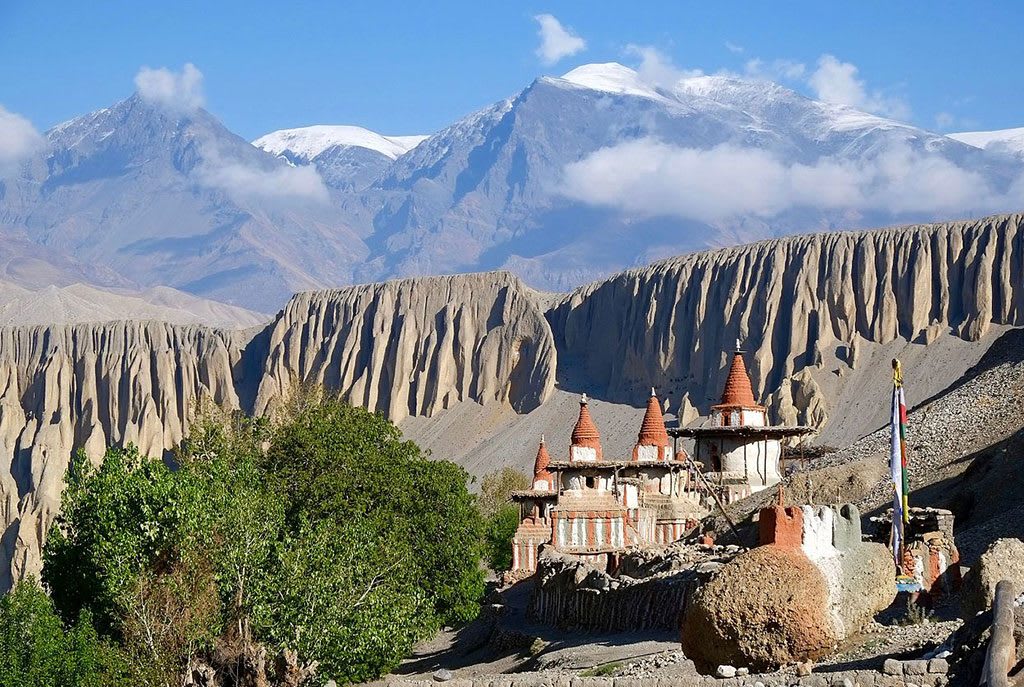
Upper Mustang, often called the “Last Forbidden Kingdom,” is a destination unlike any other in Nepal. Tucked behind the mighty Annapurna and Dhaulagiri ranges, this high-altitude desert in the Himalayan rain shadow offers not just a visual feast of arid cliffs and medieval towns, but also a rich and layered Tibetan-influenced culture that few outsiders truly understand. That is where the role of a local guide in Upper Mustang becomes invaluable.
Why Upper Mustang Is Culturally Unique
Upper Mustang was part of the ancient Kingdom of Lo, which maintained its semi-independent status until as recently as the 18th century. Its capital, Lo Manthang, still stands as a fortified walled city filled with centuries-old Buddhist monasteries, royal palaces, and whitewashed homes. The region’s isolation—both politically and geographically—has preserved its Tibetan culture, dialect, and rituals more intact than perhaps any other part of Nepal.
Though open to trekkers since 1992, Upper Mustang still feels like a living museum. And with strict permit regulations and limited visitor access, the region has managed to retain much of its authenticity.
The Role of a Local Guide in Understanding Upper Mustang
A licensed local guide from Upper Mustang offers more than navigation. They serve as storytellers, cultural interpreters, and bridges between visitors and a world shaped by centuries of tradition.
Here are the insights only a local guide can offer:
1. Stories Behind the Sacred Monasteries
Upper Mustang is home to some of Nepal’s most ancient and important Buddhist monasteries, including Thubchen Gompa, Jampa Lhakhang, and Chhoser Cave Monastery. While guidebooks may offer dates and architectural styles, only a local guide can:
• Share oral histories and legends passed down through generations.
• Explain the significance of ritual objects, wall paintings, and iconography.
• Arrange respectful visits during religious ceremonies.
For example, you might witness a masked dance festival known as Tiji, a ritual unique to Lo Manthang that celebrates the triumph of good over evil. A local guide can not only get you access but explain its meaning from a personal and cultural perspective.
2. Decoding Everyday Life and Social Customs
In Mustang, every home is a microcosm of traditional life. A local guide can walk you through:
• Polyandrous marriage traditions still practiced in some remote areas.
• The rituals of hospitality—why tea is offered first, and how visitors are received.
• Farming practices and the spiritual connection to the land, even in a harsh, arid climate.
You will not find this level of detail in standard trekking itineraries. A local guide can even arrange home visits or local homestays, where you share meals, learn to spin wool, or try traditional dishes like buckwheat pancakes and tsampa.
3. Spiritual Symbolism You Might Miss
The landscape of Upper Mustang is not just beautiful; it’s spiritually alive. Mani walls, prayer flags, and chortens are everywhere, but their deeper significance often escapes visitors. A guide will explain:
• The direction and placement of prayer flags and why it matters.
• Why some stupas are left crumbling while others are restored.
• How the wind is considered sacred, used to carry prayers across the land.
This turns your journey from sightseeing into a pilgrimage of understanding.
4. Local Language and Oral Traditions
Though many in Upper Mustang speak Nepali and Tibetan, the local dialect of Lowa is distinct and deeply rooted in regional identity. Local guides can translate conversations, recite local proverbs and songs, and introduce you to elders and monks who rarely engage with outsiders directly.
Through your guide, a monastery visit may turn into a long tea session with a monk sharing stories of past kings and spiritual seekers.
5. Royal Legacy of Lo Manthang
Few travelers know that Upper Mustang was ruled by a local king (Lo Gyalpo) until 2008. The royal palace in Lo Manthang is still home to the last monarch’s family, and your guide might:
• Share personal stories of the royal lineage and its influence on local politics.
• Help arrange visits with descendants of the royal family, depending on availability.
• Offer insight into how local governance and traditional authority coexist today.
6. Insightful Access to Remote Caves and Villages
Cave systems like Jhong Cave and Yara’s sky caves were used for meditation, shelter, and even burial. These archaeological wonders are difficult to interpret without context. A local guide:
• Knows which caves are accessible and which are sacred or off-limits.
• Can explain the mural symbols, skeletal remains, and historical usage of these caves.
• May introduce you to villagers who are direct descendants of those who built them.
7. Understanding the Changing Mustang
Mustang is changing rapidly with the extension of the Jeep road up to Lo Manthang. With this, traditions, commerce, and connectivity are also evolving. A local guide offers insight into:
• How locals feel about modernization and tourism.
• The challenges of cultural preservation amidst development.
• How tourism can either support or disrupt local life.
This helps you, as a responsible traveler, make informed and respectful choices.
Why You Should Always Choose a Local Guide in Upper Mustang
• Cultural connection: A guide from the region understands not just the places but the soul of Mustang.
• Language skills: They speak the local dialect, often unknown to outsiders.
• Permit regulations: Upper Mustang requires special permits, which your guide can arrange and navigate.
• Support local economy: Hiring locally ensures that your money stays in the community.
When to Visit Upper Mustang
The best time to trek Upper Mustang is during the spring (April–June) and autumn (September–November). However, since the region lies in the rain shadow, it is also one of the few treks in Nepal suitable during the monsoon season (July–August).
Conclusion
Trekking in Upper Mustang is not just a journey across barren landscapes and ancient towns—it is a cultural odyssey. But to truly appreciate its depth, stories, and spirituality, you need more than a trail map. You need someone who lives and breathes this world, someone who can unlock the sacred and the everyday alike.
Choosing a local guide in Upper Mustang transforms your trip from a trek into a transformative encounter with history, tradition, and humanity.
About the Creator
Enjoyed the story? Support the Creator.
Subscribe for free to receive all their stories in your feed.
Comments
There are no comments for this story
Be the first to respond and start the conversation.