
Cultivating the Understory: A Guide to Japanese Maple Care
Why standard yard routines fail this iconic ornamental tree, and how to replicate its natural environment.

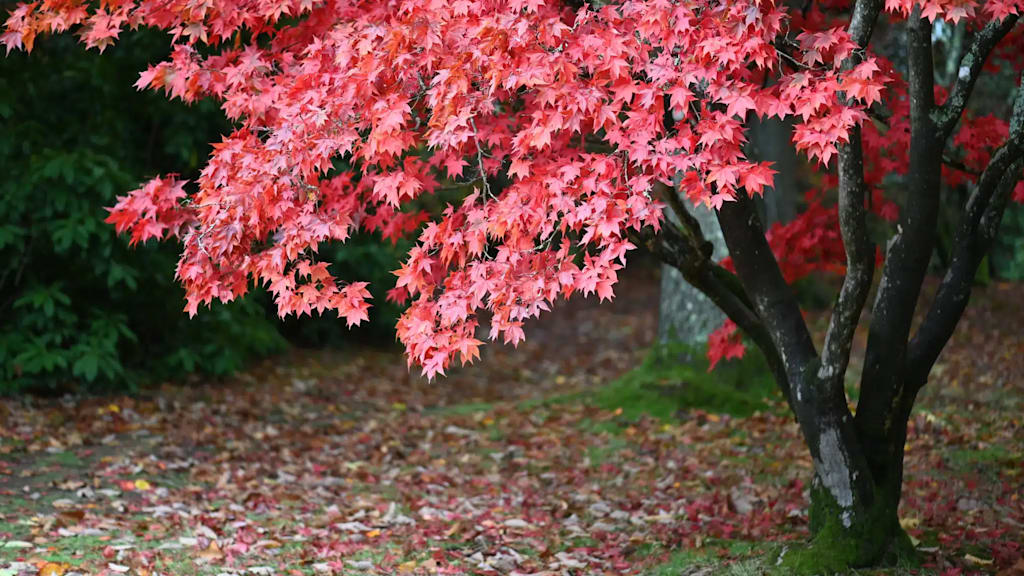
Suburban neighborhoods across the mid-Atlantic feature the striking silhouettes of Japanese maples (Acer palmatum), valued for their delicate foliage, vibrant colors, and architectural elegance. Yet, a frustrating pattern occurs every season: an owner buys a premium specimen, plants it in a wide-open lawn, and watches it slowly decline.
The issue stems from treating a specialized forest species like standard turfgrass. To ensure long-term health, we must look past generic routines and understand their specific biological needs.
The Understory Blueprint :
Native to East Asian forests, Japanese maples are understory trees engineered to grow beneath the protective canopy of much taller timber.
This sheltered environment dictates their native traits:
- Diminutive Stature: They rarely exceed 25 to 35 feet in height, making them ideal for smaller yards.
- Deliberate Development: They grow remarkably slowly, requiring decades to reach maturity.
- Staggering Diversity: Centuries of cultivation have produced over 1,000 unique cultivars with varying growth habits, leaf shapes, and seasonal pigmentation.
Regardless of leaf color, all cultivars contain chlorophyll for photosynthesis. However, moving this shaded forest species into an exposed, compacted lawn causes immediate environmental stress.
Replicating Forest Floor Conditions :
Evolving in filtered forest light, most cultivars require partial shade—especially during intense summer afternoons to prevent leaf scorch. Protection from harsh winter winds is also necessary to avoid twig dieback.
The soil must mirror the natural forest floor: consistently moist but exceptionally well-drained, favoring a slightly acidic pH level and plenty of organic matter. Spatial awareness is equally crucial; always install them at least 25 feet away from nearby structures to prevent canopy conflicts.
Moisture and Mulch Management :
Watering is a major challenge. Rigid, boilerplate advice like "watering five gallons every Tuesday" invites root disease; moisture management must be dynamic and based on observation.
The soil should be moist but never waterlogged. If checked by hand, it should clump neatly without forcing water to drip. Permanently soggy soil suffocates fine roots, leaving them vulnerable to root rot pathogens. Provide deep, infrequent soaks rather than frequent, shallow sprinkles to force the root system downward, building drought resilience.
Natural wood mulch is invaluable for root preservation. A 2- to 4-inch layer regulates soil temperatures, preserves moisture, reduces weed competition, and protects against lawnmowers. However, avoid piling mulch directly against the bark. These "mulch volcanoes" trap moisture against the lower trunk, triggering wood decay. Additionally, avoid fertilizing haphazardly. Japanese maples are not heavy nutrient consumers; organic mulch usually provides all the food they need unless a soil test proves otherwise.
Pruning and Structural Safety :
Pruning is another area where DIY attempts can cause permanent damage, reducing structural integrity or opening the door to disease. While minor cleanup can be done safely with sharp hand tools just outside the branch collar, major structural corrections require professionals. Pruning is critical during formative years to correct co-dominant stems, when branches conflict with property siding, or whenever you notice dead, dying, and decayed wood.
Property owners must remain vigilant against regional threats. Verticillium wilt, a severe soilborne fungus, attacks the tree's vascular system, causing sudden wilting and rapid branch dieback. Wet spring weather often triggers Anthracnose, a foliar fungus causing brown leaf blotches.
Trees communicate their distress clearly. Request a professional evaluation immediately if you observe large cracks, trunk cavities, heaving soil at the base, fungal growth on the bark, top-down canopy dieback, an increasing lean, or tight V-shaped branch unions. Recognizing these warning signs early allows for targeted intervention before a failure puts your property at risk. Managing a beautiful landscape requires a consistent, proactive approach, but the reward of a thriving Japanese maple is well worth the effort.
About the Creator
ORB Tree Service Marketing
ORB Tree Service Marketing provides SEO and local search strategies for the tree care and roofing industries. Follow us for insights on search optimization and lead generation for home services.
Enjoyed the story? Support the Creator.
Subscribe for free to receive all their stories in your feed.
Comments
There are no comments for this story
Be the first to respond and start the conversation.