
Crypto’s Banker Adversaries Didn’t Want to Deal in Latest White House Meeting on Bill
Tensions rise as traditional banking faces off with crypto advocates over new federal legislation
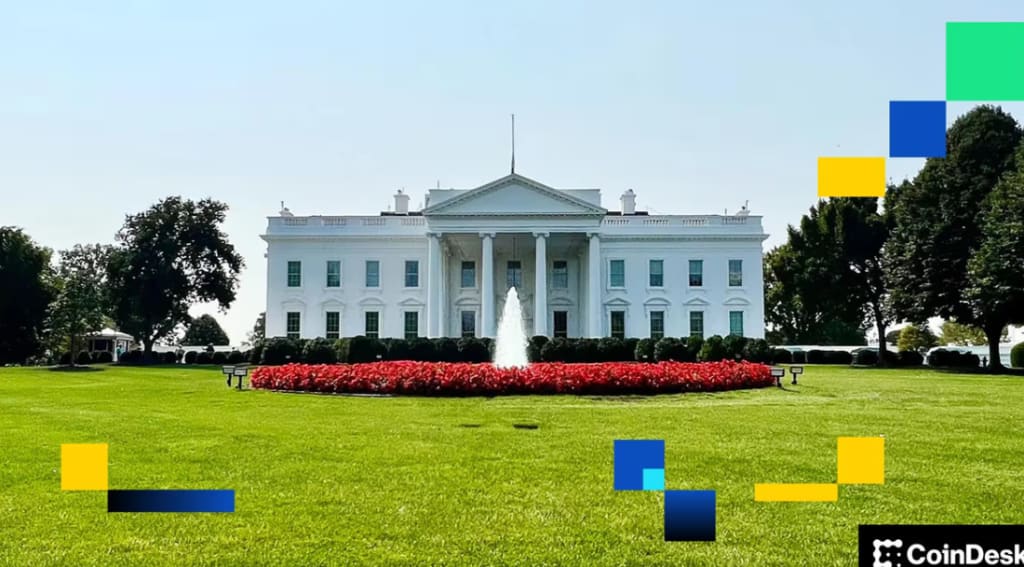
A Clash Between Crypto and Traditional Finance Cryptocurrency and traditional banking have long existed in parallel worlds, but a recent White House meeting on proposed crypto legislation highlighted just how tense that relationship has become. According to insiders, major banking representatives were reluctant to engage fully with discussions about the new bill, signaling resistance to changes that could empower crypto markets. The meeting, aimed at exploring regulation, consumer protection, and financial innovation, revealed deep divisions between fintech proponents and traditional financial institutions. While the White House seeks to craft legislation that balances innovation with risk management, resistance from major banks could complicate progress. The Context: Why This Bill Matters The bill under discussion in Washington aims to provide a framework for cryptocurrency oversight, covering issues like: Consumer protection against fraud and scams Market stability and systemic risk Integration of digital assets into mainstream financial systems Anti-money laundering (AML) and compliance requirements For crypto advocates, the bill is a chance to legitimize digital currencies, promote innovation, and attract institutional investment. For traditional bankers, it represents potential competition and regulatory uncertainty. Bankers’ Hesitation: Protecting Established Interests Reports from the meeting suggest that many bank representatives were hesitant to fully participate. Reasons include: Perceived Risk Banks view cryptocurrencies as volatile and potentially destabilizing to the traditional financial system. Competitive Threat Crypto platforms could bypass traditional banking services, undermining revenue from loans, payment processing, and asset management. Regulatory Ambiguity Without clear guidance, banks risk legal liability if they participate in crypto markets or support related products. By avoiding full engagement, banks appear to be signaling resistance while waiting to see how legislation develops. The White House’s Position The Biden administration has emphasized the importance of modernizing financial regulations without stifling innovation. Officials argue that cryptocurrencies are increasingly part of the global economy, and the United States must create a framework that: Protects consumers Ensures financial stability Encourages technological advancement Prevents illicit activity such as money laundering or fraud The administration’s approach is to balance competing interests, but the reluctance of banking institutions could slow the process. Crypto Advocates Push Back Crypto industry representatives attending the meeting voiced frustration with bankers’ hesitancy. Key points include: Traditional banks have benefited from innovation for decades and now resist competition Regulatory clarity is essential for institutional adoption of crypto Delays in legislation risk stifling the U.S.’s global competitiveness in fintech Advocates argue that the future of finance is digital, and resistance from legacy institutions could hinder technological progress. Why Banks Fear Crypto The banking sector’s apprehension is rooted in several factors: Volatility Cryptocurrencies can fluctuate wildly, exposing banks to potential losses if they hold or trade digital assets. Decentralization Unlike traditional banks, crypto operates without central control, challenging established business models. Regulatory Pressure Participating in crypto markets could invite scrutiny from regulators if frameworks remain unclear. For banks, cautious engagement is a strategic choice, reflecting both risk management and preservation of market dominance. The Stakes for the Economy The outcome of this legislative process could have wide-reaching consequences: For investors: Clarity in rules could reduce uncertainty and attract more institutional money into crypto markets. For consumers: Well-crafted regulation may protect individuals from scams and fraud. For the financial sector: Balancing innovation with oversight is critical to prevent instability while allowing competition. A standoff between bankers and crypto advocates may delay progress, leaving regulatory uncertainty in place. Potential Compromises Industry insiders suggest several ways the parties might find common ground: Hybrid Regulation Creating rules that allow banks to offer crypto services while maintaining safeguards. Pilot Programs Testing integration of digital assets into traditional banking without full-scale exposure. Shared Oversight Coordinating between federal regulators, banking authorities, and crypto industry representatives to ensure compliance and risk management. These strategies could help bridge the gap between innovation and risk management. Global Implications The U.S. is not alone in facing these challenges. Countries like Singapore, Switzerland, and the UAE are rapidly adopting crypto-friendly regulations, attracting investment and innovation. If U.S. policymakers delay or fail to find consensus, American banks could lose ground to international competitors who embrace digital finance while maintaining oversight. Consumer and Community Impact Beyond investors and regulators, the stakes are personal for ordinary Americans: Access to financial services: Crypto offers alternative payment and savings options, especially for underbanked communities. Investment opportunities: Delays in regulation affect retail investors’ ability to participate safely in digital markets. Education and awareness: Transparent legislation could provide a framework for understanding risks and benefits of crypto. The debate over bankers’ reluctance is not just financial—it touches the daily lives of Americans increasingly engaging with digital assets. Conclusion: A Crossroads for Finance The latest White House meeting underscores a key reality: traditional banking and crypto are on a collision course. Bankers’ reluctance to participate fully in discussions highlights the tension between legacy systems and emerging technology. At the same time, the crypto industry is pushing for recognition, legitimacy, and regulatory clarity. The outcome of this legislative effort will shape the future of finance in the U.S., influencing innovation, consumer protection, and the global competitiveness of American institutions. As policymakers navigate this complex landscape, one thing is clear: the financial world is changing, whether banks embrace it or resist it. For investors, consumers, and communities, staying informed about these developments is essential as digital assets become an integral part of modern life.
About the Creator
Enjoyed the story? Support the Creator.
Subscribe for free to receive all their stories in your feed.
Comments
There are no comments for this story
Be the first to respond and start the conversation.