
Crocodiles Beneath Silent Waters and Human Fear
There is something deeply unsettling about still water. A quiet river can look peaceful until a ripple breaks the surface and reminds us that danger may already be there. Crocodile has carried that feeling for centuries.

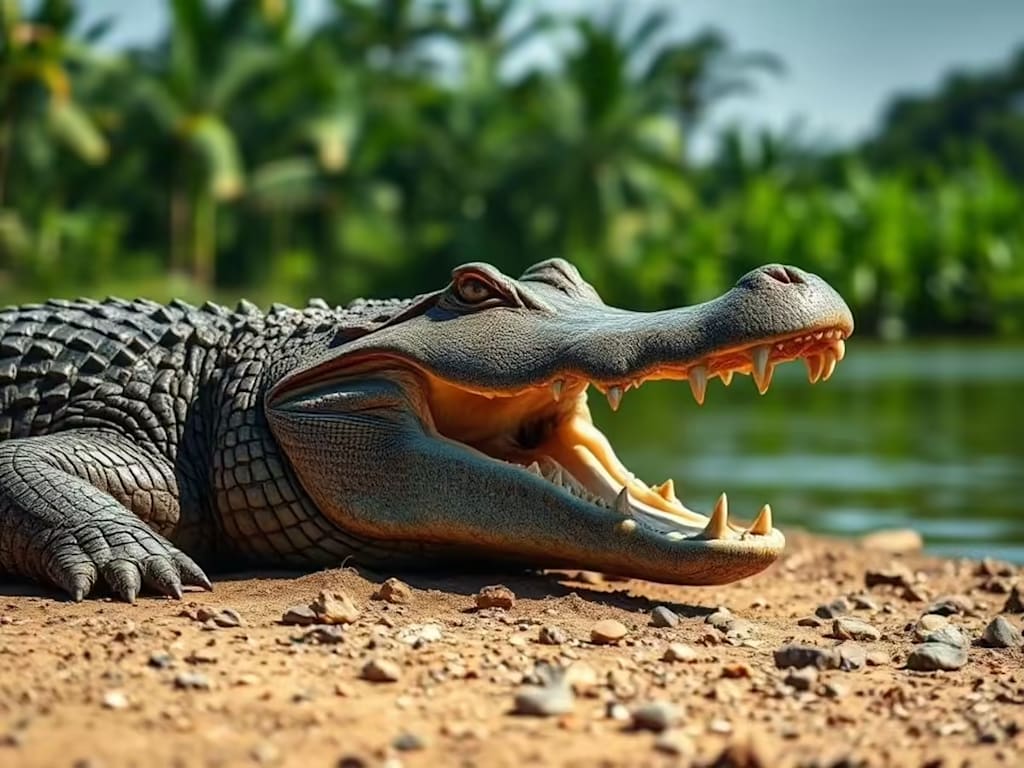
There is something deeply unsettling about still water. A quiet river can look peaceful until a ripple breaks the surface and reminds us that danger may already be there. Crocodile has carried that feeling for centuries. These ancient reptiles do not chase attention, yet they remain one of the most feared predators in the natural world. When people search for “crocodiles,” they are often searching for more than facts. They want to understand why these creatures create such intense emotions. Fear, respect, curiosity, and fascination all exist together when crocodiles are involved. Hidden beneath muddy rivers and tropical wetlands, they represent survival in its rawest form, unchanged by time and untouched by human comfort.
The Ancient Survival of Crocodiles
Older Than Most Species
Crocodiles have existed for millions of years.
Long before modern humans appeared, these reptiles were already surviving in rivers and wetlands.
Their ancient appearance reflects that history.
Surviving Through Adaptation
While many creatures disappeared over time, crocodiles remained.
Their bodies were built for survival.
Strong jaws, thick skin, and powerful tails gave them advantages that still work today.
Where Crocodiles Live
Rivers and Wetlands
Crocodiles are commonly found near rivers, swamps, and lakes.
These environments provide shelter and food.
Tropical Regions
Warm climates are ideal for crocodiles.
This is why they are common in parts of Africa, Asia, Australia, and the Americas.
Hidden in Plain Sight
One reason crocodiles feel frightening is how easily they blend into their surroundings.
They often remain nearly invisible in water.
Why Humans Fear Crocodiles
Silence Creates Tension
Many predators make noise or reveal themselves.
Crocodiles often stay silent.
This silence creates uncertainty.
Sudden Attacks
Crocodiles rely on surprise.
They wait patiently before attacking quickly.
This unpredictability increases fear.
Physical Features That Make Crocodiles Dangerous
Powerful Bite
A crocodile’s jaws are designed to grip prey tightly.
Once they bite, escape becomes difficult.
Sharp Teeth
Their teeth are built for holding rather than chewing.
This helps them overpower prey.
Strong Tail
Their tails allow fast movement through water.
This speed often surprises people.
Hunting Behavior
Masters of Patience
Crocodiles can stay motionless for long periods.
They wait for the right opportunity.
Ambush Predators
Instead of chasing prey, they attack suddenly from hidden positions.
This method is highly effective.
Different Types of Crocodiles
Saltwater Crocodile
This species is known for its size and strength.
It is considered one of the most dangerous crocodiles.
Nile Crocodile
The Nile crocodile has a strong reputation as a predator.
It is widely feared in regions where it lives.
American Crocodile
This species is generally less aggressive but still powerful.
Crocodiles and Human Encounters
Accidental Meetings
Many encounters happen near rivers or lakes.
People may not realize a crocodile is nearby until it moves.
Emotional Shock
Even a distant sighting can create fear.
The stillness of a crocodile feels unnatural to many people.
Why People Search for Crocodiles
Curiosity About Survival
People are fascinated by animals that survived for millions of years.
Fear and Respect
Crocodiles create a rare combination of fear and admiration.
This emotional contrast drives interest.
Crocodiles in Movies and Stories
Symbols of Danger
Films often portray crocodiles as silent killers.
This strengthens their image in popular culture.
Ancient Mystery
Their prehistoric appearance makes them feel connected to another era.
The Intelligence of Crocodiles
More Observant Than Expected
Crocodiles watch their surroundings carefully.
They are patient and strategic.
Learning Patterns
Some research suggests they remember behaviors and routines.
This makes them more complex than many people assume.
Crocodiles and Nature’s Balance
Role in Ecosystems
Crocodiles help control animal populations.
They play an important role in maintaining ecological balance.
Indicator of Healthy Habitats
Strong crocodile populations often reflect healthy wetlands and river systems.
Emotional Reactions to Crocodiles
Fear of the Unknown
Water hides what lies beneath.
Crocodiles intensify that fear.
Respect for Survival
People may fear crocodiles, but they also respect their ability to survive.
Comparing Crocodiles to Other Predators
Different Hunting Style
Unlike wolves or lions, crocodiles rely on patience more than pursuit.
Water Advantage
Water gives crocodiles a hidden advantage that land predators do not have.
Real-Life Example
Imagine standing near a muddy river during sunset.
Everything seems calm.
Birds move across the water.
Then you notice eyes watching from the surface.
The atmosphere changes instantly.
That moment explains why crocodiles remain deeply connected to human fear.
Lessons Humans Learn From Crocodiles
1. Nature Does Not Need Noise to Be Powerful
Crocodiles survive through patience and silence.
2. Ancient Creatures Still Shape Human Emotion
Some fears remain deeply connected to survival instincts.
3. Respect for Wildlife Matters
Wild animals should never be underestimated.
Conservation Challenges
Habitat Loss
Human activity threatens many crocodile habitats.
Wetlands continue to disappear.
Balancing Safety and Protection
People must protect ecosystems while also reducing dangerous encounters.
This balance is not easy.
The Future of Crocodiles
Adapting to Environmental Change
Climate and habitat changes may affect crocodile populations.
Continued Fascination
Despite fear, crocodiles will likely continue to fascinate future generations.
Final Thoughts
Crocodiles are more than predators hiding beneath water.
They are living reminders of a world older than human history itself.
For those searching “crocodiles,” the interest often begins with fear or curiosity.
But it quickly becomes something deeper.
A fascination with survival, patience, and the raw power of nature.
And perhaps that is why crocodiles continue to hold such a strong place in the human imagination after millions of years.
About the Creator
Muqadas khan
Hi! Welcome to my Vocal page. I’ll be sharing fresh articles every day covering stories, ideas, and a bit of inspiration to brighten your feed. Thanks for reading and supporting daily writing! 📖💫
Enjoyed the story? Support the Creator.
Subscribe for free to receive all their stories in your feed.
Comments
There are no comments for this story
Be the first to respond and start the conversation.