
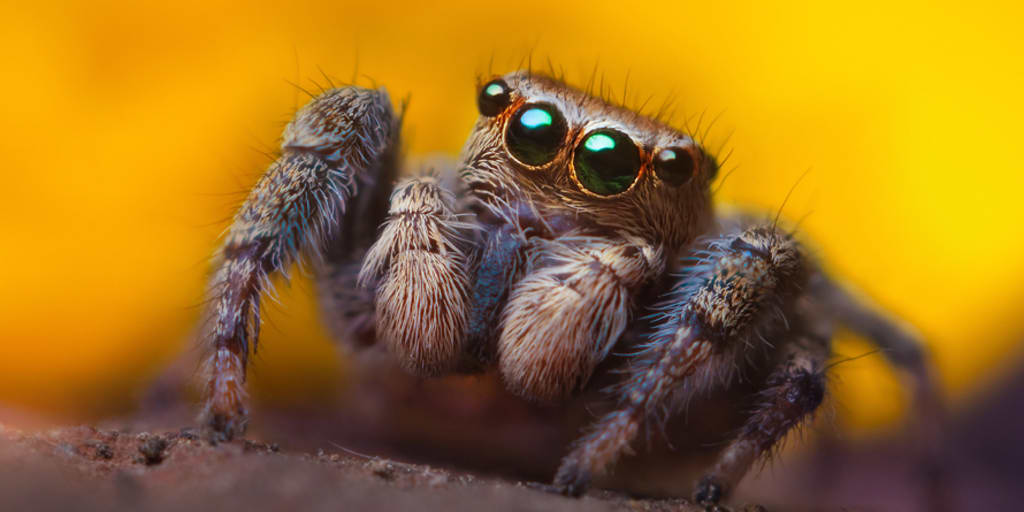
The animal kingdom is a diverse and fascinating realm that encompasses creatures of all shapes, sizes, and behaviors. Among them, a category often evokes mixed emotions in humans: the creepy crawlies. These small, often misunderstood creatures include insects, spiders, and other invertebrates that possess unique characteristics and play essential roles in our ecosystems. This essay explores the intriguing world of creepy crawlies, shedding light on their importance, remarkable adaptations, and the beauty hidden beneath their often misunderstood exteriors.
Importance in Ecosystems:
to their reputation, creepy crawlies play roles in maintaining the balance of ecosystems. They act as nature's up crew by decomposing matter and recycling nutrients. Insects, like bees and butterflies, serve as pollinators ensuring the reproduction of flowering plants including crops that provide us with sustenance. Without these insects our ecosystems would suffer, compromising our food security.
Marvelous Adjustments:
Creepy crawlies showcase an array of adaptations that enable them to not survive but also flourish in their specific habitats. Let's consider spiders, for example, which possess a multitude of traits that contribute to their resilience and success.
Insects, commonly referred to as crawlies constitute a portion of Earth's animal kingdom comprising 80% of all known animal species. They have impressively adapted to a range of habitats ranging from the depths of the oceans and towering mountain peaks to deserts and lush rainforests. This remarkable diversity serves as a testament, to their ability to acclimate and prosper in environments.
For example, spiders are known to have developed intricate web-spinning techniques to capture prey. The silk they produce is one of nature's strongest and most elastic materials. Insects, on the other hand, have evolved an incredible range of defensive mechanisms, including camouflage, mimicry, and venomous bites or stings, enabling them to ward off predators effectively.
Complex Behaviors:
Behind their seemingly simple appearance, creepy crawlies exhibit surprisingly complex behaviors. Ants, for example, live in highly organized colonies with distinct roles for each member. They display remarkable teamwork, communication, and problem-solving skills, allowing them to build intricate nests, find food sources, and defend their colonies against intruders. The study of these social insects has provided valuable insights into cooperation and self-organization within biological systems.
Unveiling the Beauty:
Beauty is often associated with larger, more charismatic animals, it is important not to overlook the elegance and intricate patterns found among creepy crawlies. From the dazzling colors of butterflies and beetles to the delicate symmetry of spider webs, these creatures possess aesthetic qualities that can inspire awe and appreciation. By observing them up close, we can uncover the hidden wonders of their microcosmic world.
In conclusion:
Creepy crawlies, often dismissed or feared by humans, represent a rich tapestry of life on Earth. Through their diversity, adaptability, and essential ecosystem services, they remind us of the interconnectedness of all living things. Their remarkable adaptations and complex behaviors showcase the wonders of nature's ingenuity. By recognizing the beauty and importance of creepy crawlies, we can foster a greater understanding and respect for these small but significant inhabitants of our planet.
About the Creator
Enjoyed the story? Support the Creator.
Subscribe for free to receive all their stories in your feed.
Comments