
Creating an Earthquake Preparedness Plan for Your Workplace
How to Create an Earthquake Preparedness Plan for Your Workplace

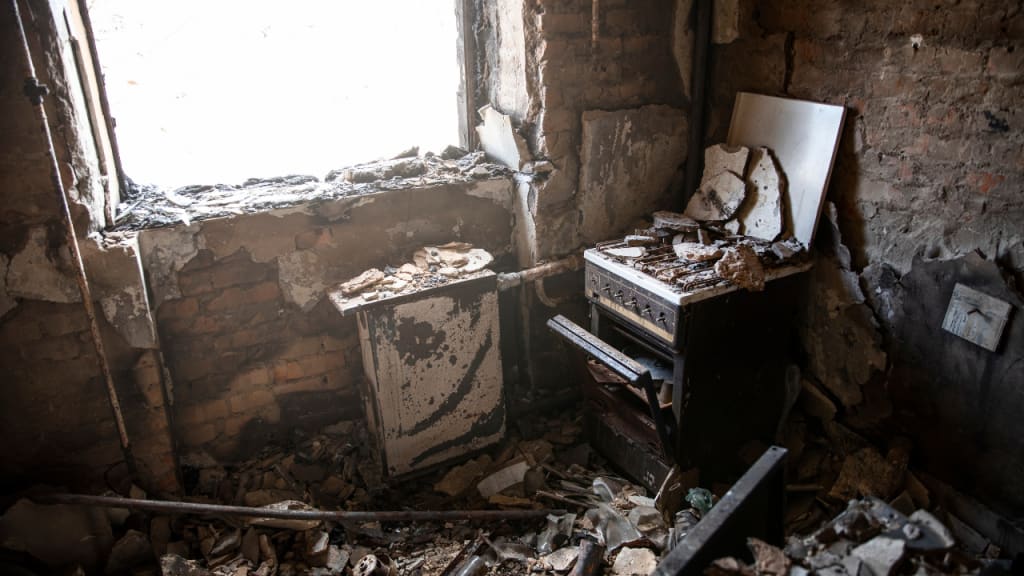
Natural disasters like earthquakes can strike unexpectedly, and when they do, the consequences can be severe, especially in a workplace environment. Creating an earthquake preparedness plan is essential for protecting your employees, reducing potential damage, and ensuring business continuity after an earthquake. A well-thought-out plan will help you prepare for such events and keep everyone safe. Here’s a comprehensive guide on how to create an effective earthquake preparedness plan for your workplace.
1. Assess Your Workplace for Earthquake Risks
The first step in creating an earthquake preparedness plan is assessing your workplace’s vulnerability to earthquakes. Depending on your location, the risk of an earthquake can vary significantly. Areas along fault lines or seismic zones are more prone to experiencing earthquakes.
Key Steps in Risk Assessment:
- Identify Potential Hazards: Look for heavy furniture, equipment, or machinery that could topple over during an earthquake. Make sure these are secured to prevent injuries.
- Building Inspection: Evaluate the structural integrity of your building. Hire a professional to check if your office or workplace is built to withstand an earthquake. Reinforce any weak spots identified.
- Utility Risks: Assess the risks associated with utilities like gas lines, electrical wiring, and water systems, which could cause fires or flooding after an earthquake.
2. Develop a Communication Strategy
During an earthquake, communication is vital to ensuring everyone knows what to do and where to go. It's important to have a communication plan in place so employees can receive timely updates and emergency instructions.
Communication Strategy Essentials:
- Earthquake Alarm Systems: Install earthquake alarm systems in your workplace to provide an early warning. These systems are designed to detect seismic activity and sound an alert, giving employees precious seconds to take cover.
- Emergency Contact List: Maintain an updated list of emergency contacts, including local authorities, medical services, and employee emergency contacts.
- Mass Notification Systems: Utilize email, text messaging, or specialized mass notification systems to send quick alerts to all employees in the event of an earthquake.
3. Create a Response Plan
A well-defined response plan outlines the actions employees should take during and immediately after an earthquake. This step-by-step guide will help minimize chaos and ensure a swift, safe response.
Response Plan Components:
- Evacuation Routes: Clearly mark and communicate evacuation routes within the building. Conduct regular evacuation drills so employees know where to go.
- Drop, Cover, and Hold On: Teach employees the standard safety procedure of “Drop, Cover, and Hold On” when an earthquake occurs. They should immediately drop to the ground, take cover under a sturdy piece of furniture or a wall, and hold on until the shaking stops.
- First Aid Kits: Ensure that first aid kits are readily available throughout the workplace. Make sure key personnel are trained in basic first aid and CPR.
4. Install Earthquake Alert Devices and Systems
Equipping your workplace with technology designed to detect and alert you of an earthquake is crucial. These devices provide early warning and give employees time to react.
Important Devices to Install:
- Earthquake Alarm Systems: As mentioned earlier, these systems detect seismic activity and issue an alert. Having an earthquake alarm system in place ensures your staff is warned the moment a tremor starts, reducing the risk of injury.
- Earthquake Alerting Devices for Home and Work: Although commonly associated with residential use, an earthquake alerting device for home can also be used in small office settings. These devices are effective in providing a few seconds of warning, which could be enough time to seek cover.
5. Train Employees on Earthquake Preparedness
No preparedness plan is complete without proper training. Employees should be familiar with the earthquake response procedures and know exactly what to do in the event of an emergency.
Key Training Activities:
- Regular Drills: Conduct regular earthquake drills so that all employees understand the emergency procedures. These drills should cover evacuation routes, safety protocols, and communication during an earthquake.
- First Aid and Emergency Response Training: Select employees to undergo specialized training in first aid, CPR, and emergency response. Having a team of trained individuals will ensure that help is immediately available if someone is injured during the earthquake.
- Equipment Training: Train employees on how to use any earthquake detection equipment installed in the office, such as earthquake alarms or alert systems.
6. Prepare Emergency Supplies
It’s crucial to have emergency supplies on hand in case the workplace is inaccessible for a few hours or even days after an earthquake. Stocking up on essentials will provide immediate relief until help arrives.
Suggested Emergency Supplies:
- Water and Non-perishable Food: Ensure there is enough food and water to sustain employees for at least 72 hours.
- First Aid Kits: Stock up on medical supplies like bandages, antiseptics, and pain relievers.
- Flashlights and Batteries: Power may be disrupted during an earthquake, so make sure there are plenty of flashlights and extra batteries available.
- Blankets and Clothing: Keep extra blankets and clothing on hand, especially in colder climates.
- Fire Extinguishers: Earthquakes can cause fires by rupturing gas lines or electrical equipment. Make sure fire extinguishers are available and employees are trained to use them.
7. Plan for Business Continuity
A good earthquake preparedness plan also takes into account the need for business continuity after the event. While the safety of employees is the top priority, ensuring that your workplace can resume operations quickly is important for minimizing downtime.
Steps for Business Continuity:
- Data Backup: Regularly back up important business data and store it in a secure, offsite location.
- Alternative Workspaces: Identify alternative workspaces where employees can operate if the main office is damaged.
- Insurance Coverage: Review your business insurance policy to ensure it covers earthquake-related damages. This will help speed up the recovery process.
8. Review and Update Your Plan Regularly
Earthquake preparedness is not a one-time task. Regularly review and update your earthquake preparedness plan to account for changes in the workplace, new technology, or updated safety protocols.
Regular Review Checklist:
- Update Contact Information: Ensure emergency contact lists are kept up to date.
- Inspect Equipment: Regularly inspect and test all earthquake alarm systems and alerting devices to ensure they are functioning properly.
- Evaluate Employee Preparedness: Conduct refresher training sessions for employees, especially if new staff members join the team.
Conclusion
Creating an earthquake preparedness plan for your workplace is a critical step in safeguarding your employees, minimizing damage, and ensuring your business can recover quickly. By assessing risks, installing earthquake alarm systems, training employees, and preparing for emergencies, your workplace will be better equipped to handle the unexpected. Don’t forget to review and update your plan regularly, as this will keep your preparedness measures relevant and effective.
About the Creator
Clover Alert
Clover Alert is a fast, whole-home earthquake alert system that warns you before damaging waves hit, giving you time to act. Perfect for homes or businesses, it ensures safety during earthquakes.
Enjoyed the story? Support the Creator.
Subscribe for free to receive all their stories in your feed.
Comments
There are no comments for this story
Be the first to respond and start the conversation.