


Asiatic Lions
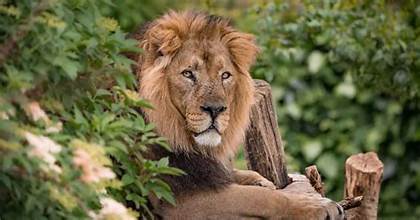
Asiatic lions are a critically endangered subspecies and can be found only in the Gir National Park in western India. Lion prides are separated by gender, males and females only associating with each other during mating.
The Gir Forests Reserve, created in 1913 to protect the largest of the surviving groups of Asiatic lions, was accorded sanctuary status in 1965.
East African Lions
East African lions have athletic builds and modest manes. They make their homes in Kenya and Tanzania and inhabit savannas and open woodlands. They are known for their social behavior, often living in prides, which can vary in size depending on the availability of resources
Katanga Lions
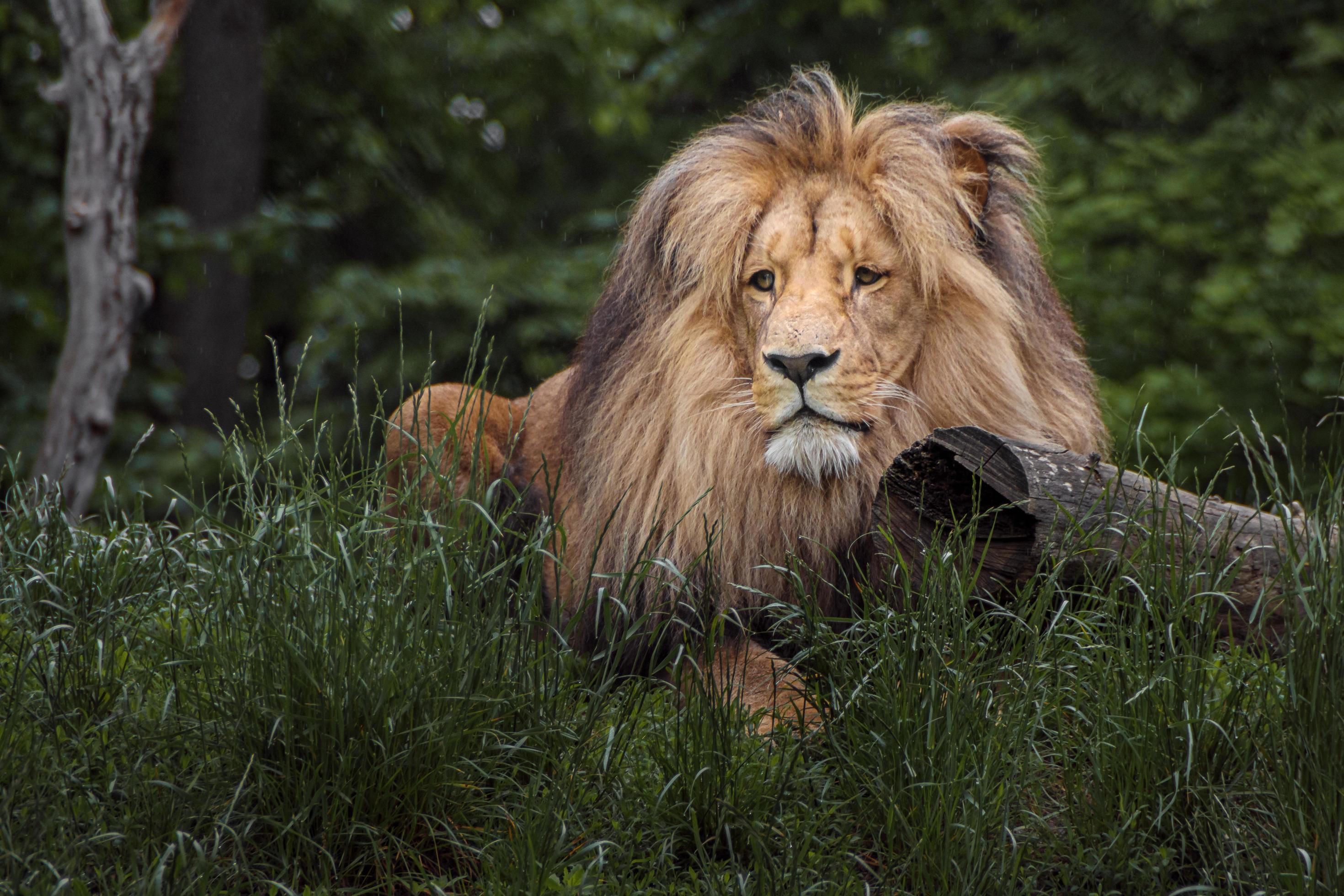
Katanga lions make their home in southwestern Africa, particularly Angola and parts of Namibia. These lions have lighter manes and large size and have adapted to the drier conditions near the Kalahari Desert. They are also known as South West African lions, due to their habitat. Their range extends from the Democratic Republic of Congo, Namibia, and Angola to northern Botswana via Zambia and Zimbabwe.
Typically, a pride is structured to have several lionesses, who are mostly related, and a few unrelated lions. These groups of at most 30 lions live together, hunt together, and protect each other. While the lionesses remain in the same pride throughout their life.
Katanga lions, like other lions, are carnivorous. They usually eat gazelles, impalas, wildebeests, buffaloes, zebras, and giraffes with whom they share their habitat.
Southern African Lions
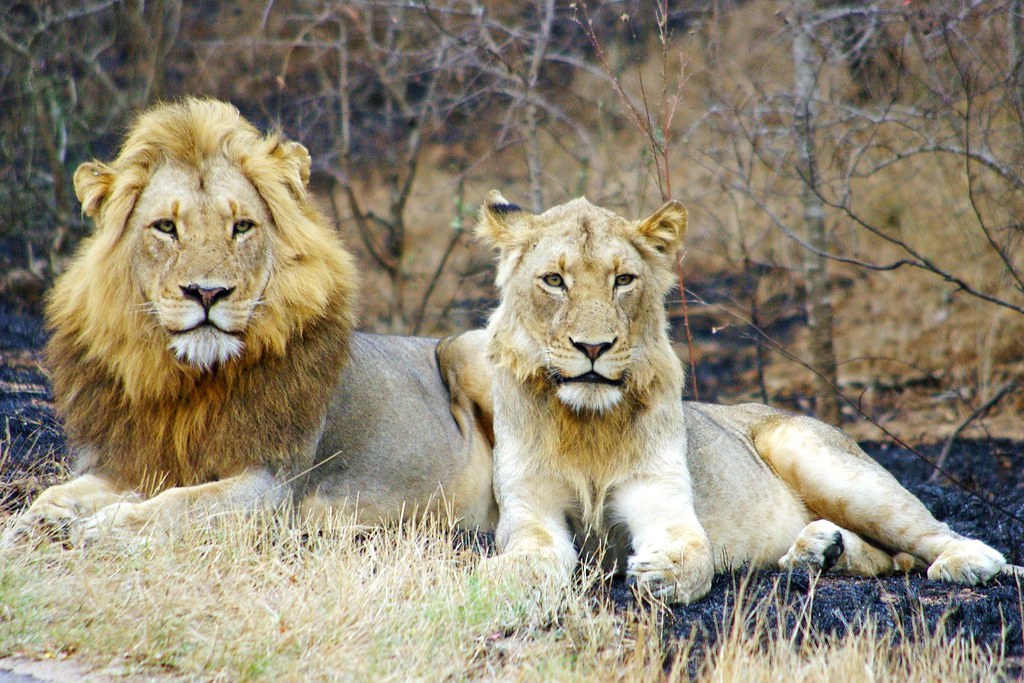
The Transvaal and Southeast African lion is another name for the Southern African lion. They make their homes in national parks like the Chobe National Park in northern Botswana and the Kruger National Park in South Africa. Due to their wide visibility in well-known safari locations, Southern African lions are among the most researched wild lions. They have light buff to dark brown fur with a tuft of black hair on their heads and rounded ears.
African lions are highly social animals, gathering in groups or prides, which include up to 3 male lions and multiple lionesses with their young. Prides are defended by males, who patrol and mark the territory.
Southern lions are hypercarnivores and prey foremost on ungulates such as gemsbok, Cape buffalo, blue wildebeest, giraffe, common eland, greater kudu, nyala, roan antelope, sable antelope, plains zebra, bush pig, common warthog, hartebeest, common tsessebe, waterbuck, kob, and Thomson's gazelle.
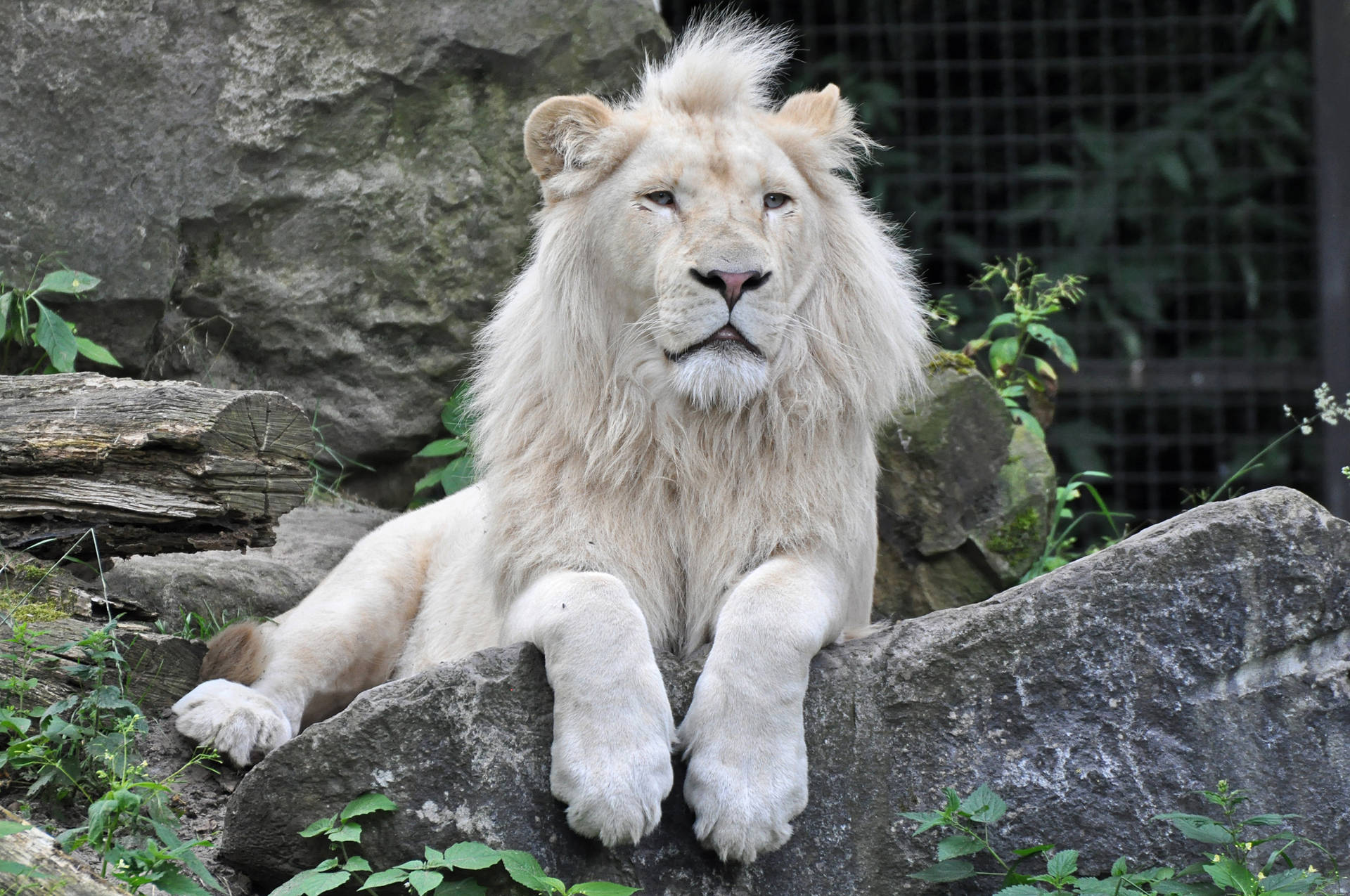
White lions are not a separate species or subspecies but a rare color morph of the Southern African lions. Caused by a recessive gene, these lions are occasionally seen in the wild in areas like the Timbavati region of South Africa. Breeding programs have helped sustain their population in captivity.
White lions are not albino lions; instead, they are leucistic, meaning their white fur is caused by a genetic mutation that reduces pigmentation in the coat but does not affect the eyes or skin. This distinguishes them from true albino lions, which lack all pigmentation.
White lions are looked upon as sacred animals in the local Tsonga and Sepedi communities. They are referred to as “Children of the Sun God” or “Star Lions.” These communities view white lions as angelic guardians whose presence demands reverence and protection.
West African Lions
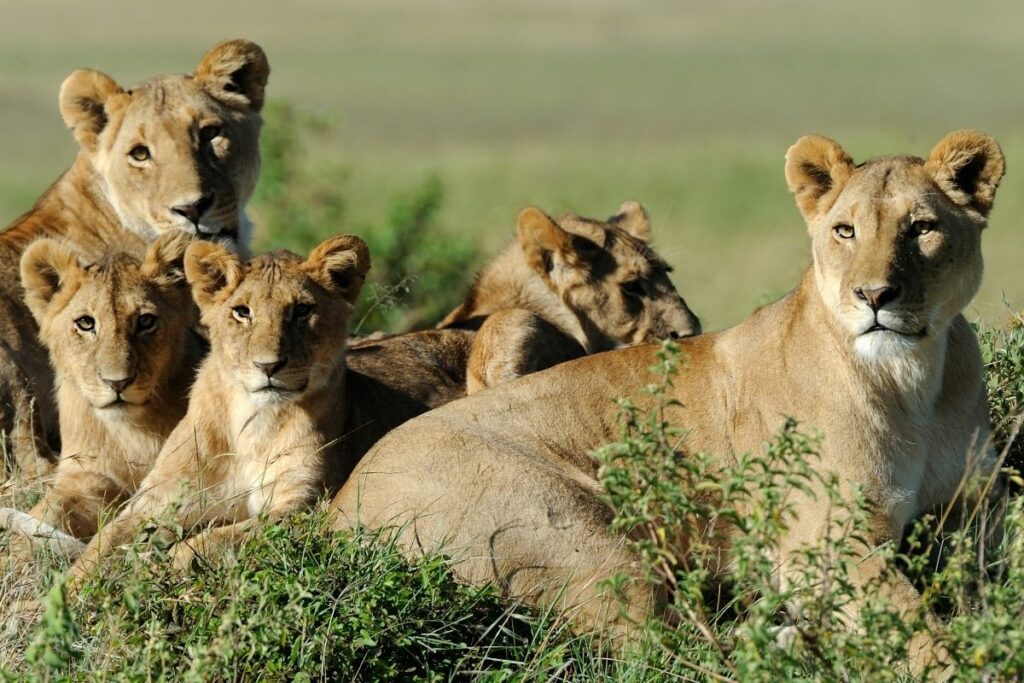
Dense woods and wide savannas make up the habitat of the West African lions. They can have up to 40 lions in their prides at any given time. The populations of the West African lion, a rare subspecies, are mostly located in protected regions ranging from Senegal to Nigeria.
West African lions are carnivores and predators. They prey on antelopes, buffaloes, zebras, young elephants, rhinos, hippos, wild pigs, crocodiles, and giraffes.
About the Creator
Rasma Raisters
My passions are writing and creating poetry. I write for several sites online and have four themed blogs on Wordpress. Please follow me on Twitter.
Enjoyed the story? Support the Creator.
Subscribe for free to receive all their stories in your feed. You could also become a paid subscriber, letting them know you appreciate their work.
Comments
There are no comments for this story
Be the first to respond and start the conversation.