
"Clothing and Hygiene Challenges in Space: What Astronauts Wear Beneath Those Suits"
"Exploring the Fascinating World of Astronaut Attire and the Quest for Hygiene in Zero Gravity"
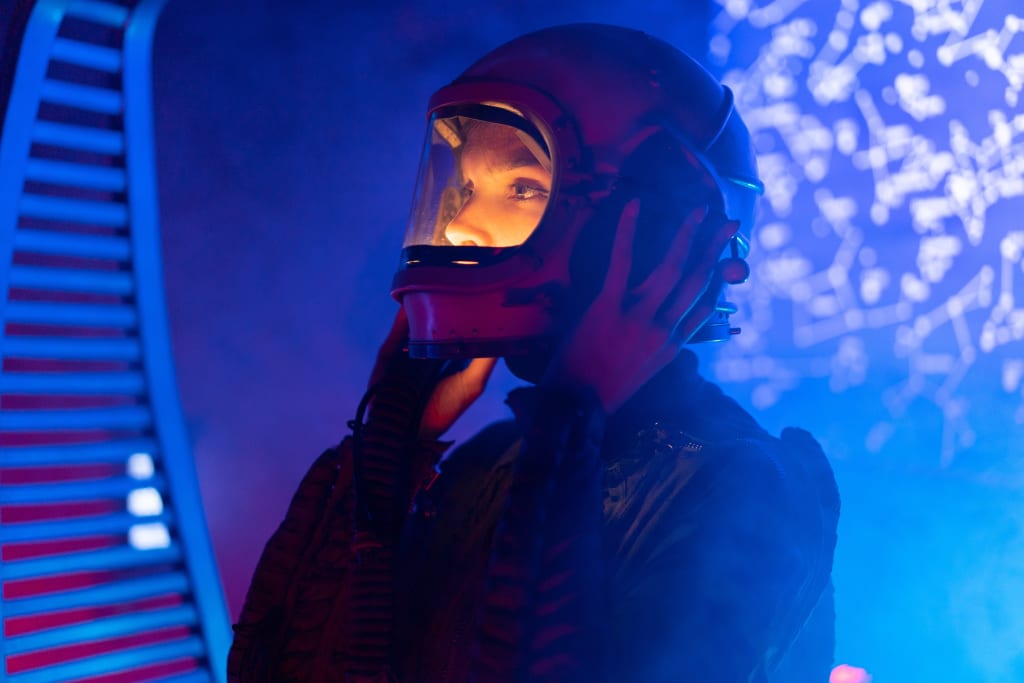
The occupation of an astronaut is undeniably captivating and enigmatic. Have you ever pondered the intricacies of their daily lives, such as what they wear beneath those bulky space suits? Some believe that astronauts wear paper underwear, while others speculate that the absence of gravity eliminates the need for frequent laundry. However, the reality is that astronauts don't do laundry at all on the International Space Station (ISS). In 2011, NASA even considered a washing machine for the ISS, but it wasn't practical due to the cost and logistics of delivering water for laundry. Instead, fresh clothes are periodically sent from Earth, although not as frequently as one might prefer due to the exorbitant cost of space travel. As a result, astronauts often wear their clothing much longer than they would on Earth. Comfort and convenience take precedence over fashion in space, with typical attire consisting of short-sleeved shirts and long cargo pants, similar to regular clothes on Earth. However, when astronauts venture outside the climate-controlled environment of the ISS for spacewalks, they don their chunky space suits, which protect them from extreme temperature fluctuations, ranging from 250°F in the sun to -250°F in the shade. Even with cooling systems, spacewalks can cause astronauts to sweat, and they wear layers, including form-fitting garments similar to long underwear, which may be reused and even shared. Without washing machines aboard the ISS, hygiene and potential biocontamination become concerns. Everything inside space suits gets used repeatedly, and microbes, bacteria, body fluids, and foreign substances can accumulate over time. To address this issue, NASA and other organizations have researched fabrics with antimicrobial properties. Copper-infused textiles, along with silicone and silver treatments, have been explored to combat microbes. Silver proved effective, but total sterility could be detrimental to astronauts' health, as a balanced ecosystem of microorganisms is necessary for their well-being. In 2022, NASA partnered with U.S. companies to develop next-generation space suits for the Artemis III mission, which aims to land a crew on the moon's South Pole. These suits will incorporate antimicrobial textiles and biocides in the cooling system to reduce biocontamination risks. Now, let's delve deeper into the two primary types of space suits: the Advanced Crew Escape Suit (commonly known as the orange suit) and Extravehicular Activity (EVA) suits. The orange suits are worn during liftoff for protection in high-altitude conditions, equipped with survival gear and a parachute for emergencies. The orange color enhances visibility for search and rescue operations. On the other hand, EVA suits are used for spacewalks and offer protection against extreme temperatures, vacuum conditions, and space debris. These suits are bulkier, with multiple layers of insulation, breathable air, drinkable water, and temperature controls. Astronauts are tethered to the space station during spacewalks, and the suits have a backup system with small jet thrusters for control. The white color of EVA suits reflects sunlight and provides visibility in space. Furthermore, special gloves with heaters keep astronauts' fingers warm in the cold expanse of space during EVAs. If you found this information intriguing, please consider liking and sharing the video with your friends. If you're hungry for more knowledge, check out our other videos on the channel. Stay curious and stay on the bright side!
About the Creator
Enjoyed the story? Support the Creator.
Subscribe for free to receive all their stories in your feed.
Comments
There are no comments for this story
Be the first to respond and start the conversation.