
Climbing Chulu East Peak: A Trekker’s Introduction to Alpine Adventure
Chulu East is more than just a peak—it’s a gateway to alpine adventure.

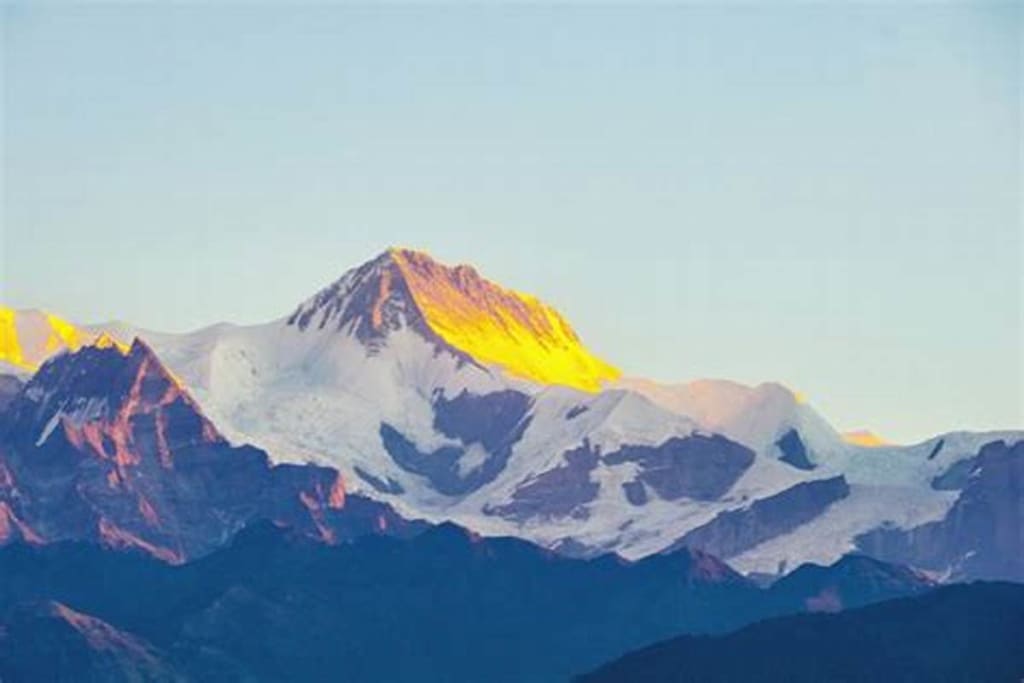
For trekkers looking to take their first steps into mountaineering, Chulu East Peak offers the perfect entry point. Located in the Annapurna region of Nepal, this 6,584meter peak blends highaltitude climbing with the breathtaking beauty of one of the world’s most celebrated trekking circuits. Accessible, challenging, and incredibly rewarding, Chulu East is more than just a peak—it’s a gateway to alpine adventure.
Where is Chulu East?
Chulu East lies just off the classic Annapurna Circuit, rising above the Manang Valley. Its isolated summit provides panoramic views of the Annapurna range, Dhaulagiri, Tilicho Peak, and even the Tibetan Plateau. The combination of cultural immersion, remote valleys, and snowcapped grandeur makes this expedition truly unique.
Who is This Climb For?
Chulu East is a trekking peak, which means it requires some basic mountaineering skills—such as walking with crampons, using an ice axe, and handling fixed ropes—but it does not demand advanced technical climbing. It’s ideal for:
- Experienced trekkers looking to climb their first Himalayan summit
- Fit individuals seeking a challenge beyond standard trekking routes
- Adventurers interested in combining trekking and climbing in one journey
A guided expedition is essential, not just for safety, but for managing logistics like permits, climbing gear, and route navigation.
Route Overview
The climb to Chulu East is usually combined with a trek along part of the Annapurna Circuit. A typical itinerary might look like this:
Days 1–6: Trek from Besisahar through Chame, Pisang, and Manang for acclimatization
Days 7–8: Reach Chulu East Base Camp (approx. 5,300 m) via Ledar or Yak Kharka
Day 9: Summit push and return to base camp
Days 10–12: Continue over Thorong La Pass (5,416 m) and descend to Muktinath
Days 13–15: Trek ends in Jomsom, followed by flight or drive back to Pokhara
The climbing day starts early, often before dawn, and includes roped sections, snow slopes, and the use of alpine equipment. Weather windows are key, and flexibility in the itinerary is important.
Best Time to Climb
The best seasons for climbing Chulu East are:
- Spring (March to May)
- Autumn (late September to November)
These periods offer stable weather, clear skies, and better visibility for summit views and safe climbing.
Required Permits and Gear
To climb Chulu East, you'll need:
- Nepal Mountaineering Association (NMA) climbing permit
- Annapurna Conservation Area Permit (ACAP)
- Trekkers' Information Management System (TIMS) card
Most expeditions include technical gear like harnesses, helmets, ropes, crampons, and ice axes. Your guide or outfitter will typically provide these or assist with rental in Kathmandu or Pokhara.
Training and Preparation
While not extremely technical, Chulu East requires good physical conditioning and highaltitude readiness. Training should focus on:
- Cardiovascular endurance
- Leg strength and core stability
- Long hikes with a loaded pack
- Basic ropework and ice skills (if possible)
Previous trekking experience at altitude (4,000+ meters) is highly recommended.
Why Choose Chulu East?
Climbing Chulu East is more than a physical achievement. It offers:
- A chance to transition from trekking to mountaineering
- Stunning views from one of the most scenic Himalayan summits
- The rich cultural backdrop of the Annapurna region
A satisfying personal milestone without the intensity of highaltitude expeditions like Island Peak or Mera Peak
Final Thoughts
Chulu East is where trekking meets climbing. It's an ideal stepping stone for adventurers seeking more than just a trail but not yet ready for the commitment of a major expedition. With proper planning, acclimatization, and an experienced guide, this peak delivers a safe and unforgettable Himalayan experience.
About the Creator
Enjoyed the story? Support the Creator.
Subscribe for free to receive all their stories in your feed.
Comments
There are no comments for this story
Be the first to respond and start the conversation.