
CLIMATE IMPACT ON BRIDGES
CHANGE IN THE APPROACH OF BRIDGE CONSTRUCTION
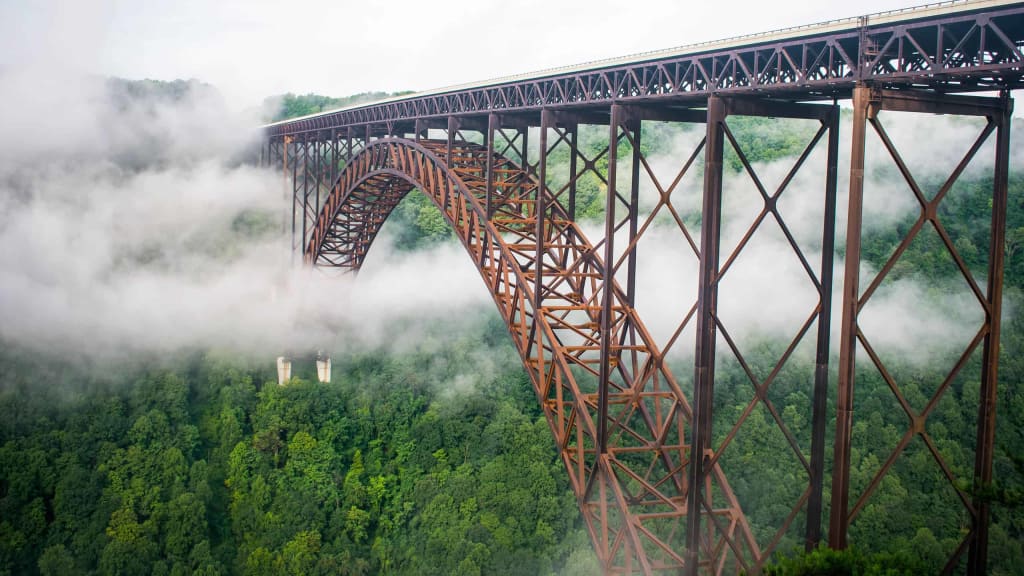
CLIMATE IMPACT ON BRIDGES
I presume that you do not devote a significant amount of time contemplating bridges, even if you traverse several during your daily commute. It is unlikely that you consider the fact that numerous tons of steel and concrete are supporting you hundreds of feet above the ground, often over bodies of water. Given that there are at least one million bridges worldwide, including overpasses, many of us rely on their structural integrity. We only recognize their significance when something goes awry, such as the I-95 overpass collapse in 2023. It is noteworthy that one of the most significant threats to our bridges is the same factor that is adversely affecting numerous other aspects of our world: climate change.
To be candid, a significant issue with numerous bridges is their antiquated nature. Although they were constructed to be robust and endure for decades, the average age of bridges in the United States is approximately 45 years old. This longevity also implies that the bridge construction standards were appropriate for the conditions that the bridges would encounter at that time. The engineers who designed these structures did not incorporate additional structural components that would enable them to withstand the impacts of climate change, as they were not aware of these future issues. It may come as a surprise that climate change does not have to be factored into bridge designs. While our bridge design standards do account for weather resilience, the weather is predicted based on climate data from the past 200 years, which cannot prepare the bridges for the current and future effects of the climate crisis. To delve into the potential issues and solutions, further investigation is necessary.
Let us discuss several critical design elements that are essential in constructing a good bridge. One crucial factor that must be taken into account is the concept of thermal stress. When a material is exposed to heat, it expands, causing a potential misalignment of the bridge components. This phenomenon is familiar to anyone who has experienced a door that does not close correctly during the summer months. To address this issue, bridge engineers of the past have incorporated Expansion Joints into their designs. These gaps in the bridge structure allow for expansion and contraction in changing temperatures, providing the bridge with some breathing room. However, Expansion Joints can become clogged with debris, such as falling leaves, and cleaning them out is a challenging task. When Expansion Joints become obstructed, they no longer provide the necessary room for expansion, which can lead to bridge failure on hotter days. As average temperatures continue to rise, more and more bridges are at risk of failure without functional Expansion Joints. Researchers estimate that thermal stress could cause between 60 and 95 percent of bridges with Expansion Joints to fail by the year 2100. Fortunately, modern bridges with integral abutments are available that are more resistant to debris and thermal stress.
Bridges that do not encounter these issues utilize elastic connections between their structures to dissipate thermal stress, rather than relying solely on expansion joints. Unfortunately, integral abutment bridges are more susceptible to scour, a process in which water creates eddies around submerged portions of the bridge, eventually eroding the ground that supports the bridge's foundations. Engineers design against this phenomenon, but their work is based on outdated data regarding the intensity of rainfall and flooding in a given location. Climate change has resulted in increased rainfall and flooding, exacerbating the scouring process and rendering current bridge building guidelines inadequate. However, there are already numerous solutions available to combat the scouring effects of the future, such as collars to counteract eddies and sacrificial piles to disrupt water flow. Additionally, concrete is often reinforced with steel rebar to increase its tensile strength, but this steel is susceptible to corrosion caused by rising levels of CO2 in the air, which poses a direct threat to bridges even if they are not affected by heat or flooding.
The carbon dioxide present in the atmosphere has the ability to gradually permeate into the cement present in concrete, a process commonly referred to as carbonation. Typically, a thin layer of iron oxide forms naturally within the concrete, due to the high pH levels, which serves to protect the steel rebar from corrosion. Even the thinnest steel rebar used in concrete can last up to sixty thousand years with the aid of this protective layer. However, carbonation alters the pH levels of the concrete, rendering it insufficiently alkaline to facilitate the formation of iron oxide. Consequently, the protective layer is lost, and the steel rebar rusts at a rate that is a thousand times faster, reducing the lifespan of the structure to a more human scale of 60 years. Therefore, an increase in the concentration of carbon dioxide in the atmosphere leads to a higher rate of corrosion in rebar and concrete bridges.
Fortunately, there are solutions to this problem. The simplest solution is to increase the thickness of the concrete surrounding the steel rebar. Additionally, epoxy or acrylic sealers can be used to fill any tiny pores that may allow CO2 to penetrate the concrete. However, the real challenge lies in the fact that legislation tends to take decades to incorporate current scientific knowledge. Climate change is a prime example of this, as it has been acknowledged as a fact in mainstream science since the 1970s, yet it took decades of lobbying by fossil fuel companies for legislators to acknowledge its existence. As a result, bridges were still being constructed without taking the climate crisis into account. Thankfully, some countries are now updating their bridge construction standards to include climate resilience, and it is hoped that others will follow suit. This will enable us to return to a time when bridges were not a cause for concern.
About the Creator
Kennedy Tetteh
Christ is Enough
Enjoyed the story? Support the Creator.
Subscribe for free to receive all their stories in your feed.
Comments
There are no comments for this story
Be the first to respond and start the conversation.