
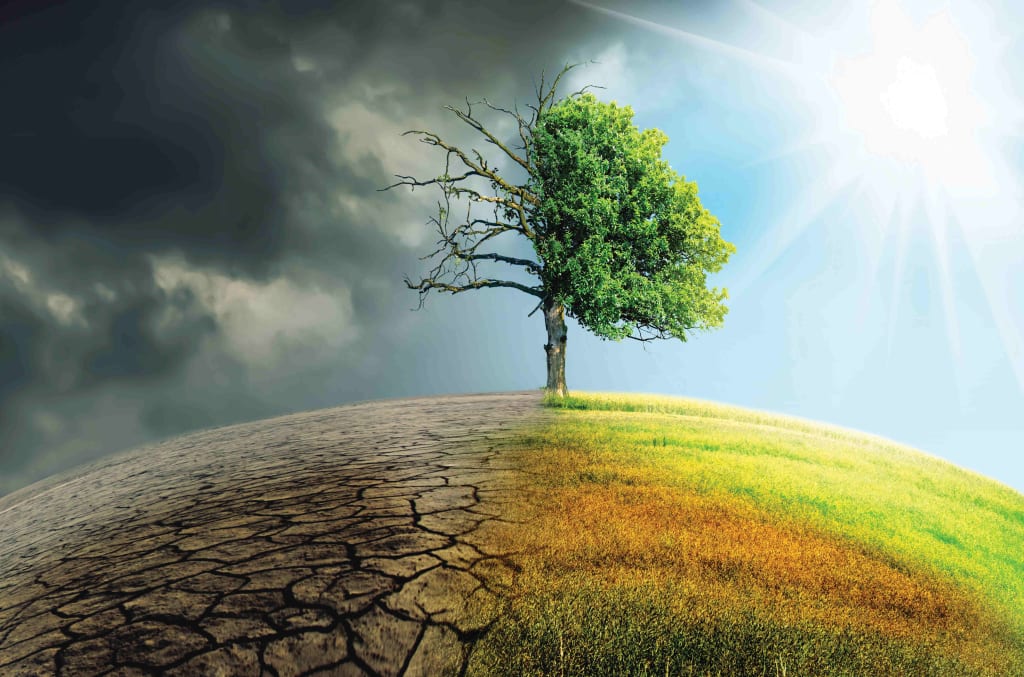
In the modern era, few issues have captured the world's attention and concern as much as climate change. This complex phenomenon, driven largely by human activities, poses an unprecedented threat to the planet's ecosystems, economies, and future generations. As we stand at a critical juncture in history, it is imperative to understand why climate change has become such a significant and pressing problem in today's world.
Unprecedented Changes in Our Climate
Climate change refers to the long-term alteration of Earth's average weather patterns, including shifts in temperature, precipitation, and the frequency and intensity of extreme events such as hurricanes, heatwaves, and droughts. While natural climate variability has occurred throughout Earth's history, the current pace and scale of change are unparalleled. The burning of fossil fuels, deforestation, industrial processes, and other human activities have dramatically increased the concentration of greenhouse gases in the atmosphere, leading to a rapid warming of the planet.
Rising Global Temperatures
One of the most evident consequences of climate change is the rise in global temperatures. The Earth's average temperature has increased by approximately 1.2 degrees Celsius (2.2 degrees Fahrenheit) since the late 19th century. This might seem like a small number, but its implications are far-reaching. Rising temperatures lead to the melting of polar ice and glaciers, causing sea levels to rise and threatening coastal communities. They also disrupt weather patterns, causing more frequent and severe heatwaves, storms, and heavy rainfall events.
Impact on Ecosystems and Biodiversity
Climate change has dire implications for ecosystems and biodiversity. Many plant and animal species are struggling to adapt to the changing conditions, and some face the risk of extinction. Coral reefs, which support a vast array of marine life, are bleaching and dying due to warmer oceans. Shifts in temperatures and habitats can disrupt food chains and migration patterns, leading to imbalances in ecosystems.
Threat to Human Livelihoods and Well-being
Communities around the world are feeling the effects of climate change in tangible ways. Crop yields are becoming less predictable due to changing weather patterns, leading to food insecurity for vulnerable populations. Rising sea levels and increased storm intensity are displacing communities and damaging infrastructure, resulting in economic losses and human displacement. Heatwaves can have severe health implications, especially for the elderly and those with preexisting health conditions.
Global Cooperation and Urgent Action
The magnitude of the climate crisis demands global cooperation and immediate action. The Paris Agreement, adopted in 2015, represents an international effort to limit global warming to well below 2 degrees Celsius above pre-industrial levels. Countries pledged to reduce their greenhouse gas emissions and enhance their resilience to the impacts of climate change. However, achieving these targets requires sustained commitment and rapid transformation of energy systems, transportation, agriculture, and more.
Conclusion: A Call to Action
Climate change is not a distant problem confined to the realms of scientific research; it is a clear and present danger that affects every aspect of our lives. It is a crisis that requires comprehensive and collective efforts from governments, businesses, communities, and individuals. Transitioning to renewable energy sources, promoting sustainable practices, and advocating for policy changes are just a few steps that can help address this critical issue. The urgency of the situation cannot be overstated, and the time to act is now. By recognizing the gravity of climate change and taking decisive action, we can forge a path towards a more sustainable and resilient future for ourselves and generations to come.
About the Creator
Enjoyed the story? Support the Creator.
Subscribe for free to receive all their stories in your feed.
Comments
There are no comments for this story
Be the first to respond and start the conversation.