

Introduction:
Climate change is one of the most pressing issues of our time, posing significant challenges to our planet and all its inhabitants. It refers to long-term shifts in weather patterns and temperatures, primarily attributed to human activities that release greenhouse gases into the atmosphere. This article aims to provide an overview of climate change, its causes, impacts, and the urgent need for collective action to mitigate and adapt to its effects.
Causes of Climate Change:
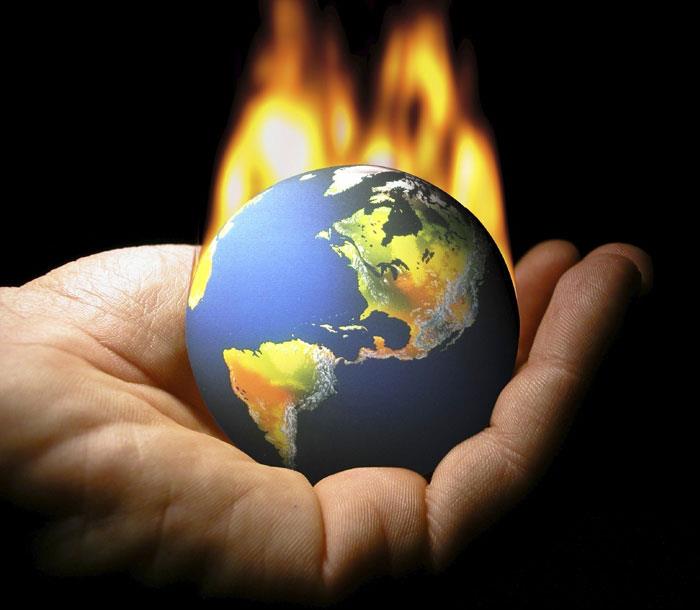
a. Greenhouse Gas Emissions: Human activities, such as burning fossil fuels for energy, deforestation, and industrial processes, release greenhouse gases (carbon dioxide, methane, nitrous oxide) into the atmosphere. These gases trap heat, leading to the greenhouse effect and subsequent global warming.
b. Deforestation: The clearing of forests for agriculture, urbanization, and logging reduces the Earth's capacity to absorb carbon dioxide, contributing to increased greenhouse gas concentrations.
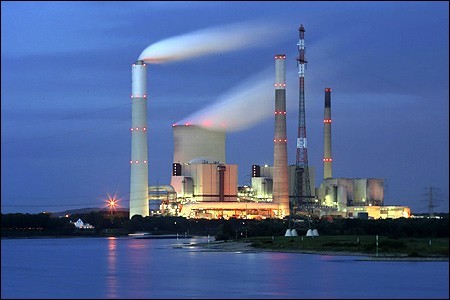
c. Industrialization: Rapid industrial growth has resulted in increased emissions of greenhouse gases, particularly carbon dioxide, from burning fossil fuels and manufacturing processes.
Impacts of Climate Change:
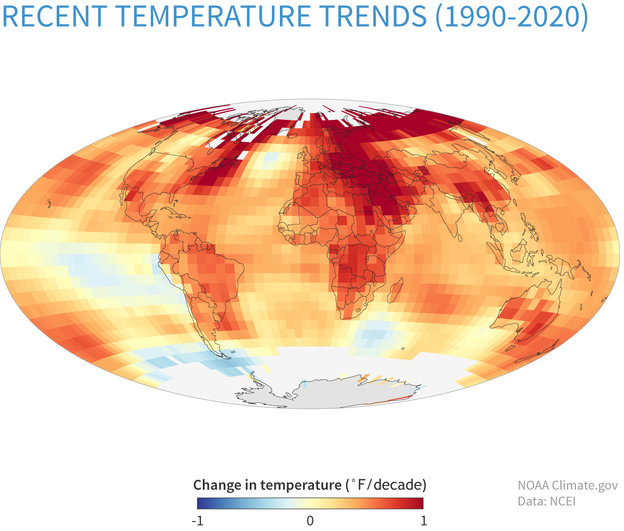
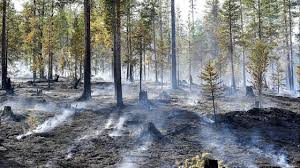
a. Rising Temperatures: Global temperatures have been steadily increasing, resulting in heatwaves, droughts, and increased frequency and intensity of extreme weather events such as hurricanes, floods, and wildfires.
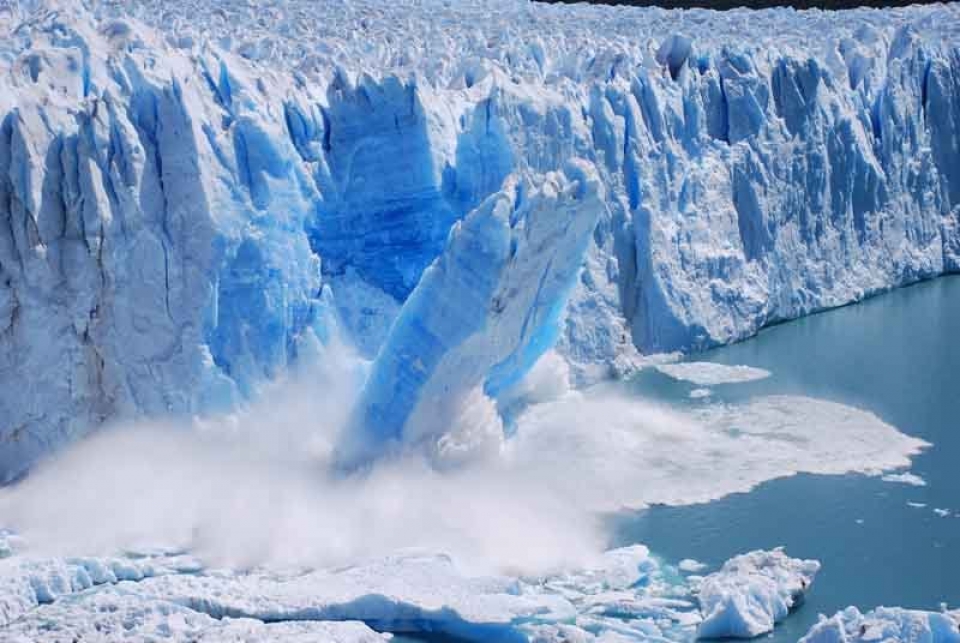
b. Melting Glaciers and Rising Sea Levels: As temperatures rise, glaciers and polar ice caps are melting at an alarming rate, contributing to sea-level rise. This poses a significant threat to coastal communities, ecosystems, and infrastructure.
c. Disruption of Ecosystems: Climate change affects ecosystems and biodiversity, leading to habitat loss, species extinction, and altered migration patterns. Coral reefs, forests, and polar regions are particularly vulnerable.
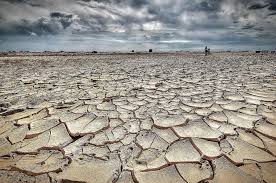
d. Agriculture and Food Security: Changing climatic conditions impact agricultural productivity, leading to crop failures, reduced yields, and increased food insecurity, particularly in vulnerable regions.
Mitigation Strategies:
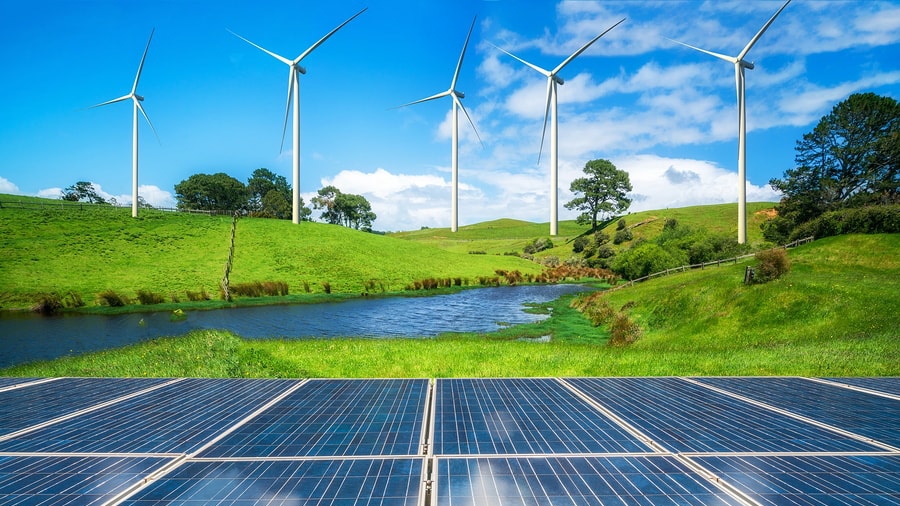
a. Transition to Renewable Energy: Shifting from fossil fuels to renewable energy sources, such as solar, wind, and hydropower, can significantly reduce greenhouse gas emissions.
b. Energy Efficiency: Improving energy efficiency across sectors, including buildings, transportation, and industry, reduces energy consumption and associated emissions.

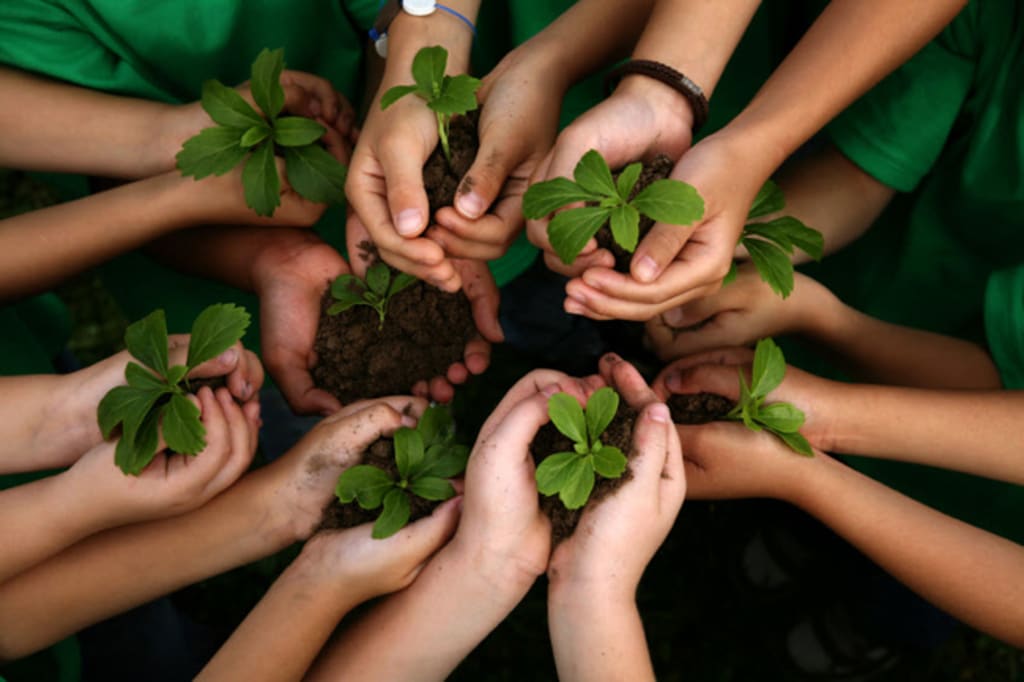
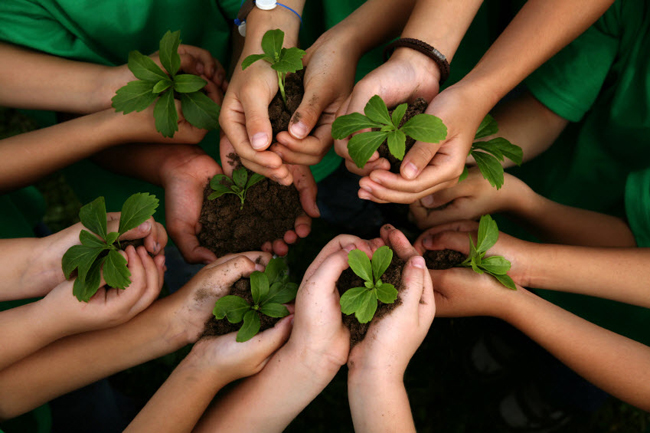
c. Afforestation and Forest Conservation: Planting trees and protecting existing forests helps absorb carbon dioxide and promotes biodiversity.

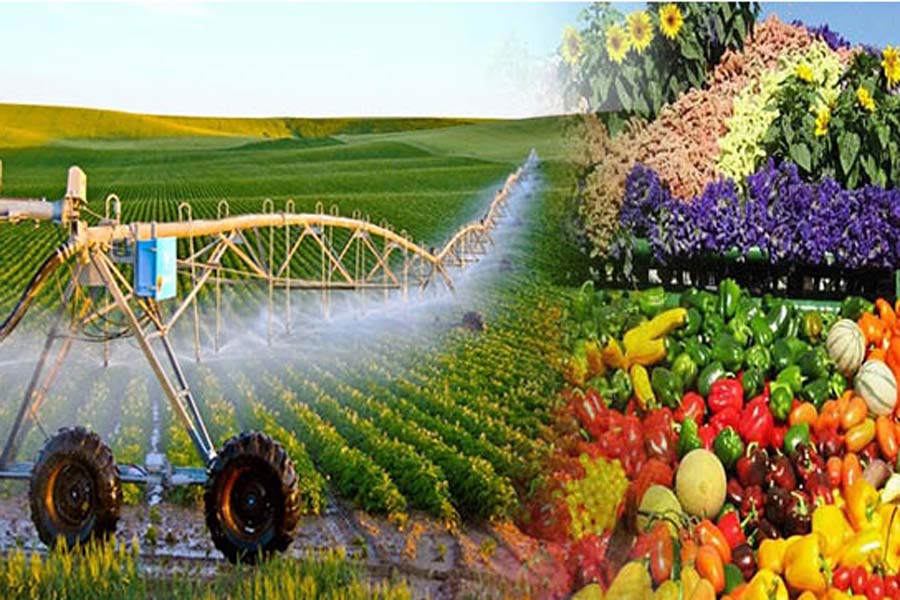
d. Sustainable Agriculture: Implementing sustainable farming practices, agroforestry, and precision agriculture can reduce emissions from the agricultural sector.
Adaptation Measures:
a. Climate-Resilient Infrastructure: Developing and upgrading infrastructure to withstand climate impacts, such as designing flood-resistant buildings and improving water management systems.
b. Water Resource Management: Enhancing water conservation, storage, and distribution systems to cope with changing rainfall patterns and increasing drought risks.
c. Climate-Resilient Agriculture: Promoting climate-smart agricultural practices, crop diversification, and improved irrigation techniques to enhance resilience to changing climatic conditions.
d. Disaster Preparedness: Strengthening early warning systems, emergency response mechanisms, and community resilience to cope with extreme weather events.
Conclusion:
Climate change represents an unprecedented global challenge that requires immediate and coordinated action from governments, businesses, communities, and individuals. Mitigating greenhouse gas emissions, transitioning to renewable energy, and implementing adaptation measures are crucial steps towards building a more sustainable and resilient future. By taking collective action, we can mitigate the impacts of climate change and safeguard the wellbeing of current and future generations. Together, we have the power to address climate change and create a more sustainable and habitable planet for all.
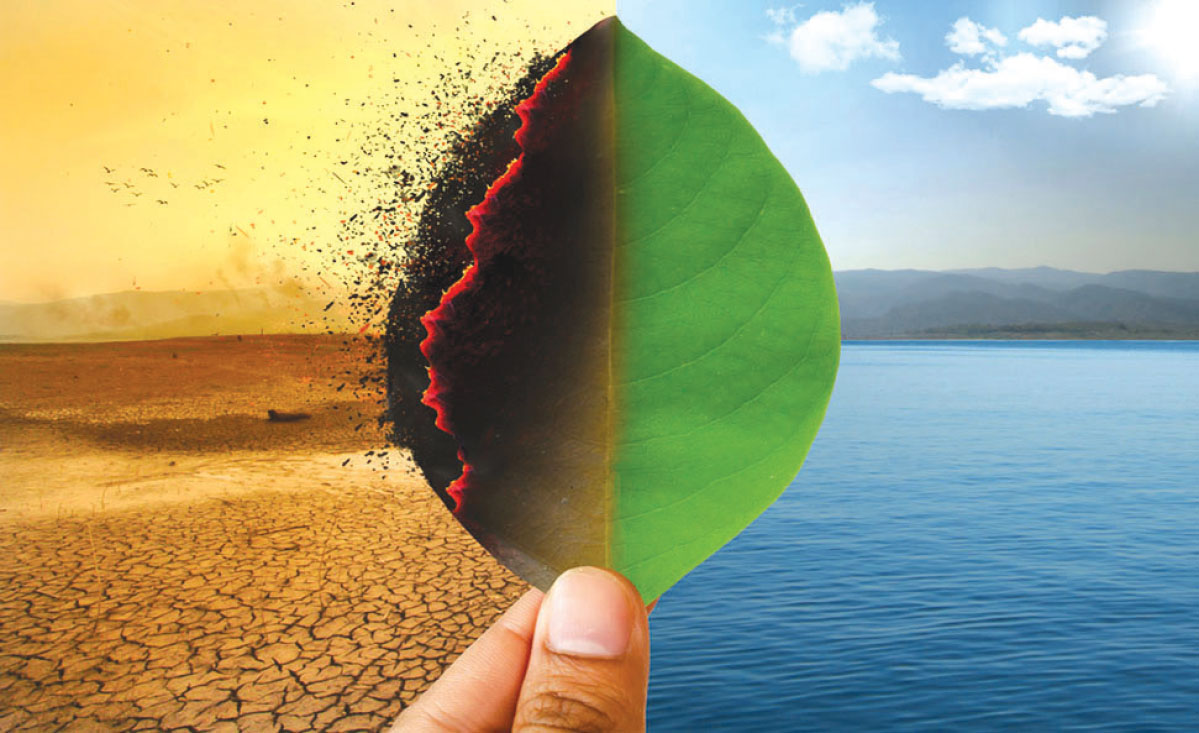
Scientific data and estimates from experts indicate that without effective intervention, climate change can have serious consequences. Some anticipated impacts include continued global warming, rising sea levels, adverse effects on agriculture and food security, and increased risks of biodiversity loss.
However, significant efforts are being made to address this issue. International agreements such as the Paris Agreement on Climate Change have been signed to reduce greenhouse gas emissions and enhance the adaptive capacity of nations. Additionally, new technologies and innovations such as clean energy, recycling materials, and green technologies play crucial roles in minimizing our impact on the environment.
To tackle climate change, individuals can also contribute. Energy conservation, using public transportation, recycling and efficient waste management, and promoting positive changes in daily lifestyles can all make a difference.
In summary, climate change is a global challenge that requires the collaboration of all of us. We need to take action now to minimize the impacts and build a sustainable future for everyone on this planet.
About the Creator
Bé Hai
Thank you for viewing my article. My name is Hai, I am 21 years old this. I want to share many stories about the countryside where I live. I hope everyone will like it.
Enjoyed the story? Support the Creator.
Subscribe for free to receive all their stories in your feed.
Comments
There are no comments for this story
Be the first to respond and start the conversation.