
Climate Change
Urgent Action Required to Secure Our Planet's Future
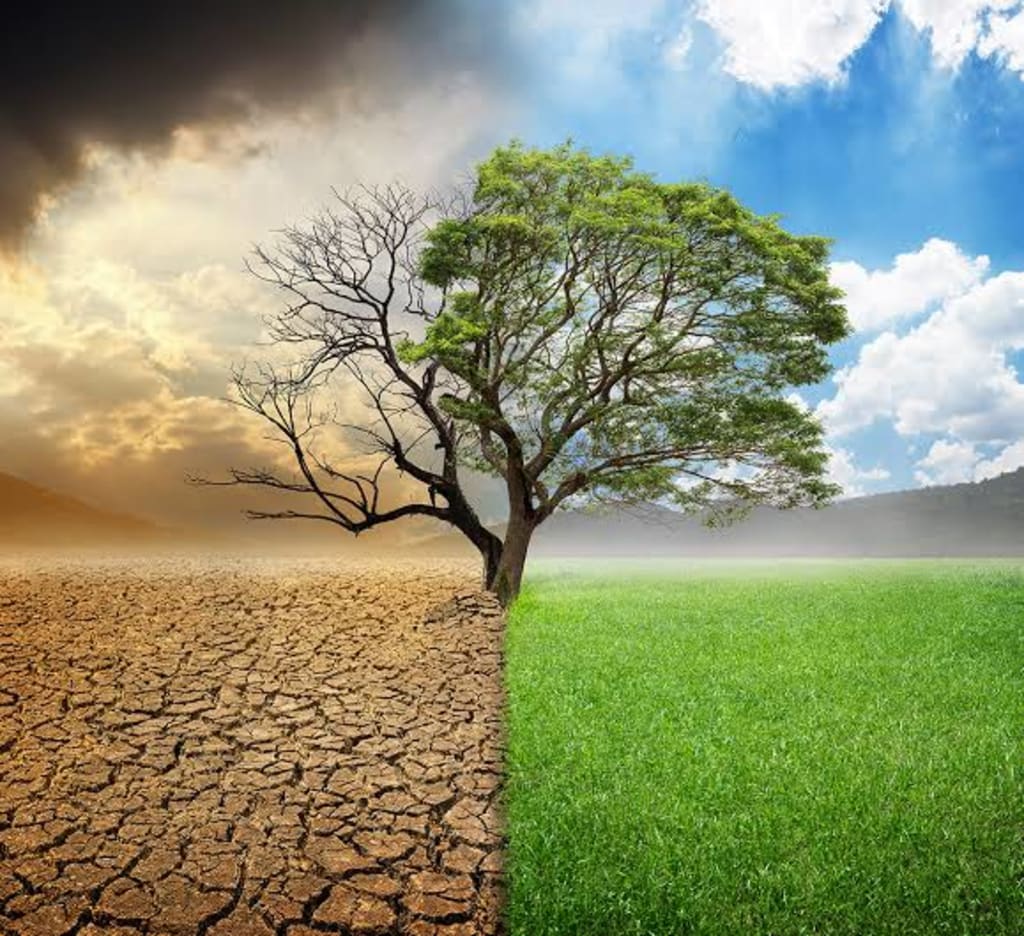
Title: Climate Change: Urgent Action Required to Secure Our Planet's Future
Introduction:
Climate change has become one of the most pressing challenges of our time. With rising global temperatures, melting ice caps, extreme weather events, and the loss of biodiversity, the impacts of climate change are undeniable. It poses a significant threat not only to the environment but also to human health, economies, and social stability. Urgent action is needed at all levels to mitigate the effects of climate change and secure a sustainable future for generations to come.
1. The Science of Climate Change:
Scientific consensus confirms that climate change is primarily caused by human activities, especially the burning of fossil fuels such as coal, oil, and natural gas. These activities release greenhouse gases (GHGs) into the atmosphere, trapping heat and leading to a gradual increase in global temperatures. The consequences of this warming trend are far-reaching and include rising sea levels, disrupted weather patterns, and ecosystem disruptions.
2. Impact on Ecosystems and Biodiversity:
Climate change poses a grave threat to ecosystems and biodiversity worldwide. Rising temperatures affect the natural habitats of countless species, leading to shifts in their geographical ranges and, in some cases, extinction. Coral reefs, for example, are highly vulnerable to warming oceans, resulting in widespread coral bleaching and the loss of marine biodiversity. The disruption of ecosystems has a cascading effect on the entire web of life, impacting human societies as well.
3. Extreme Weather Events:
One of the most visible consequences of climate change is the increase in extreme weather events. Heatwaves, hurricanes, floods, and droughts have become more frequent and intense in various parts of the world. These events have devastating impacts on communities, leading to loss of life, displacement, and economic disruptions. Developing countries, with limited resources and infrastructure, are particularly vulnerable to the consequences of extreme weather events.
4. Public Health Implications:
Climate change also poses significant risks to human health. Rising temperatures contribute to the spread of infectious diseases, such as malaria and dengue fever, as disease-carrying vectors expand their range. Heatwaves can result in heat-related illnesses and deaths, especially among vulnerable populations. Additionally, the degradation of air quality due to increased pollution exacerbates respiratory conditions. Protecting public health requires urgent action to mitigate climate change and promote sustainable development.
5. Economic and Socio Impact :
Climate change has profound economic implications. The costs associated with extreme weather events, loss of agricultural productivity, damage to infrastructure, and rising healthcare expenses are substantial. Disruptions in supply chains, increased migration, and conflicts over scarce resources further strain economies and social stability. The most vulnerable regions, including small island nations and developing countries, bear the brunt of these impacts, perpetuating cycles of poverty and inequality.
6. The Role of mitigation and adaptation :
Addressing climate change requires global cooperation and collaboration. The Paris Agreement, signed by 196 countries, is a crucial step in this direction. The agreement aims to limit global warming to well below 2 degrees Celsius above pre-industrial levels and pursue efforts to limit the temperature increase to 1.5 degrees Celsius. It emphasizes the need for financial and technical support to assist developing countries in their climate mitigation and adaptation efforts.
7. The Importance of International Cooperation:
Climate change is a global challenge that necessitates international cooperation and collaboration. The Paris Agreement, adopted in 2015, represents a significant milestone in global climate action. It aims to limit global warming well below 2 degrees Celsius above pre-industrial levels and pursue efforts to limit the temperature increase to 1.5 degrees Celsius. The
Conclusion:
Climate change is an urgent and multifaceted challenge that demands immediate action. The consequences of inaction are severe and will impact the well-being of future generations. It is imperative that governments, businesses, communities, and individuals come together to reduce
About the Creator
Enjoyed the story? Support the Creator.
Subscribe for free to receive all their stories in your feed.
Comments
There are no comments for this story
Be the first to respond and start the conversation.