
Brown Chana
The Wonder of Brown Chana: Exploring the Nutritional Powerhouse
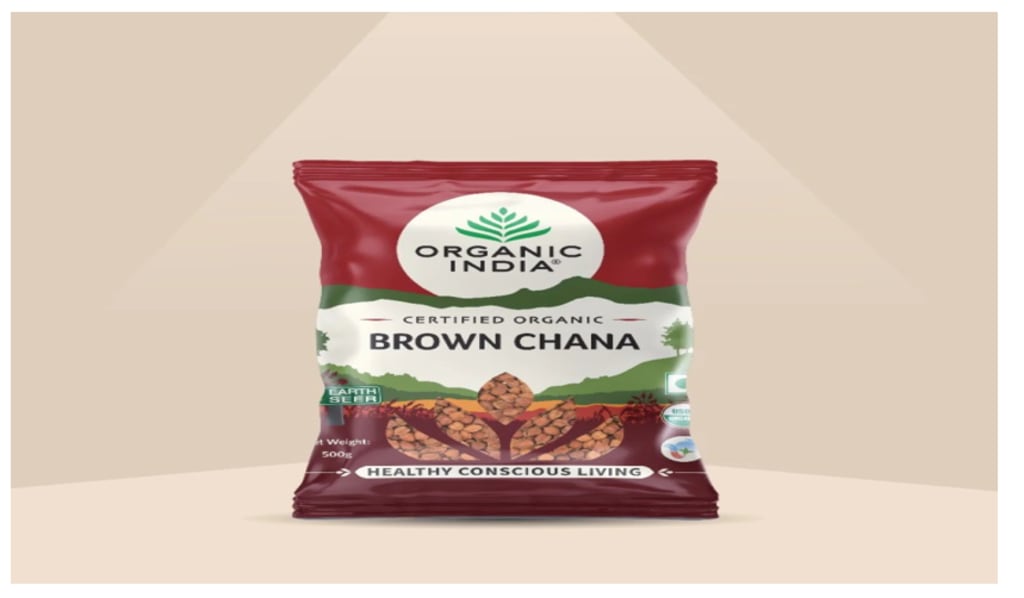
Chickpeas, also known as garbanzo beans, are a highly versatile and nutritious legume that has been a staple food in many cultures for centuries. Among the various types of chickpeas, the spotlight shines brightly on "Brown Chana." Brown Chana, scientifically known as Cicer arietinum, is a variety of chickpeas that stands out due to its rich flavor, distinct texture, and numerous health benefits. In this comprehensive blog, we will take a deep dive into the world of Brown Chana, exploring its origin, nutritional value, culinary uses, and the potential impact it can have on our health and well-being.
The Origins of Brown Chana
The history of Brown Chana dates back thousands of years to the ancient civilizations of the Middle East and the Indian subcontinent. Believed to have originated in the Mediterranean region, chickpeas quickly spread to other parts of the world through trade routes and exploration. Today, India is the leading producer of chickpeas, including the Brown Chana variety, contributing significantly to the global consumption and popularity of this legume.
Nutritional Value of Brown Chana
Brown Chana is a nutritional powerhouse, packed with essential vitamins, minerals, and dietary fiber. Let's take a closer look at its impressive nutrient profile:
1. Protein: Brown Chana is an excellent source of plant-based protein, making it an essential part of a vegetarian or vegan diet. Protein is vital for muscle repair, immune function, and overall growth and development.
2. Complex Carbohydrates: The complex carbohydrates found in Brown Chana provide a steady release of energy, keeping you satiated for longer periods and preventing blood sugar spikes.
3. Fiber: High in dietary fiber, Brown Chana aids in digestive health by promoting regular bowel movements and reducing the risk of digestive disorders like constipation. Moreover, fiber plays a role in managing cholesterol levels and may contribute to weight management.
4. Vitamins: Brown Chana contains a range of vitamins, including vitamin A, vitamin C, vitamin E, and various B vitamins such as folate and riboflavin. These vitamins are essential for maintaining healthy skin, vision, immune function, and nervous system health.
5. Minerals: Rich in minerals like iron, magnesium, zinc, and potassium, Brown Chana contributes to overall well-being, supporting proper nerve function, red blood cell production, and maintaining bone health.
Health Benefits of Brown Chana
Including Brown Chana in your diet can have numerous health benefits. Some of the notable advantages are:
1. Heart Health: The high fiber content in Brown Chana aids in reducing LDL (bad) cholesterol levels, thus promoting heart health and reducing the risk of cardiovascular diseases.
2. Weight Management: The combination of protein and fiber in Brown Chana helps control appetite, supporting weight management efforts.
3. Blood Sugar Regulation: Brown Chana has a low glycemic index, meaning it causes a slower increase in blood sugar levels after consumption, which is beneficial for individuals with diabetes or those looking to maintain stable blood sugar levels.
4. Digestive Health: As mentioned earlier, the fiber content in Brown Chana aids in maintaining a healthy digestive system, preventing constipation and promoting gut health.
5. Iron Source: Brown Chana is an excellent source of non-heme iron, making it a suitable option for vegetarians and vegans who may have difficulty obtaining enough iron from plant-based sources.
Culinary Uses of Brown Chana
Brown Chana is highly versatile and can be used in various dishes, adding depth and flavor to the cuisine. Here are some popular culinary uses:
1. Chana Masala: A classic Indian dish, Chana Masala, is a flavorful and spicy curry made with Brown Chana, tomatoes, onions, and a blend of aromatic spices.
2. Salads: Brown Chana can be boiled and added to salads, providing a protein-packed and nutritious twist to your greens.
3. Hummus: Hummus, a beloved Middle Eastern dip, is typically made from chickpeas. Brown Chana can be used as a substitute for a slightly different flavor profile.
4. Snacks: Roasted Brown Chana makes for a delicious and healthy snack option, offering a satisfying crunch and a dose of protein.
5. Soups and Stews: Brown Chana can be added to soups and stews, enhancing their nutritional content and taste.
Growing Brown Chana: Cultivation and Sustainability
The cultivation of Brown Chana follows similar practices to other chickpea varieties. As a hardy and drought-tolerant crop, it can thrive in diverse climates and soil conditions. However, it generally prefers well-drained soils with a slightly alkaline to neutral pH. The crop is usually sown during the cooler months of autumn or early spring to ensure optimum growth.
1. Soil Preparation: Before planting Brown Chana, the soil must be prepared by plowing and harrowing to create a fine seedbed. Adequate soil preparation ensures good seed-to-soil contact and encourages better germination.
2. Planting: Brown Chana seeds are sown at a depth of about 2 to 4 inches (5-10 cm) with a spacing of 6 to 8 inches (15-20 cm) between plants. Farmers can choose between broadcasting the seeds or using drill seeders for more precise planting.
3. Irrigation: While Brown Chana is relatively drought-tolerant, irrigation may be necessary during dry spells, especially during its early growth stages. However, excessive water should be avoided, as it can lead to waterlogging and root rot.
4. Weeding and Pest Management: Regular weeding is essential to control weed competition and ensure the successful growth of Brown Chana. Additionally, pests like aphids, pod borers, and gram pod fly can be managed through natural predators or appropriate pesticides.
5. Harvesting: Brown Chana plants typically mature in about 90 to 120 days after sowing, depending on the variety and growing conditions. When the leaves start to turn yellow and dry out, it is a sign that the crop is ready for harvest. Farmers may use traditional hand methods or mechanical harvesters to collect the pods.
6. Post-Harvest Processing: After harvest, the Brown Chana pods need to be dried to reduce moisture content and avoid spoilage during storage. The dried pods are then threshed to separate the seeds from the husks.
Brown Chana and Sustainable Agriculture
In recent years, there has been a growing interest in sustainable agriculture practices. Brown Chana aligns well with these principles due to its several environmentally-friendly attributes:
1. Nitrogen Fixation: Legumes, including Brown Chana, have a unique ability to fix atmospheric nitrogen through symbiotic relationships with specific bacteria in their roots. This process enriches the soil with nitrogen, reducing the need for synthetic fertilizers and promoting soil health.
2. Water Efficiency: Brown Chana is a drought-tolerant crop, meaning it requires less water compared to other staples like rice or wheat. By incorporating Brown Chana into crop rotations, farmers can reduce water consumption and promote sustainable water management.
3. Biodiversity and Crop Rotation: Including Brown Chana in crop rotation practices enhances biodiversity and reduces the risk of pests and diseases associated with monoculture farming.
4. Reduced Carbon Footprint: Sustainable farming practices, including reduced chemical inputs and the use of legume cover crops, can lead to lower greenhouse gas emissions, contributing to a smaller carbon footprint.
5. Food Security: Brown Chana is a valuable source of nutrition, especially in regions where food security is a concern. By promoting its cultivation, sustainable agriculture can help improve access to nutritious food sources.
Exploring Culinary Diversity with Brown Chana
Brown Chana's versatility extends beyond traditional dishes. It can be creatively incorporated into various global cuisines, enhancing the flavor and nutritional content of diverse recipes:
1. Chaat: A popular Indian street food, Chana Chaat, combines boiled Brown Chana with chopped onions, tomatoes, cilantro, tamarind chutney, and spices to create a tangy and savory snack.
2. Chana Sundal: A South Indian specialty, Chana Sundal, involves seasoning boiled Brown Chana with mustard seeds, curry leaves, coconut, and spices, offering a delightful taste and texture.
3. Chana Salad Wraps: Brown Chana can be used as a filling in wraps or sandwiches, providing a protein-packed and satisfying meal.
4. Chana Curry with Coconut Milk: Brown Chana can be simmered in a creamy coconut milk-based curry, infused with aromatic spices, creating a rich and delectable main course.
Final Thoughts
Brown Chana is more than just a humble legume; it is a symbol of nourishment, sustainability, and culinary diversity. From its ancient origins to its relevance in modern-day diets, this nutrient-packed legume continues to charm and enthrall food enthusiasts, chefs, and nutritionists alike. Whether you are an adventurous cook or a health-conscious individual seeking wholesome ingredients, Brown Chana undoubtedly deserves a prominent place in your kitchen and on your plate.
So, let us celebrate the wonder of Brown Chana and embark on a journey of culinary exploration and sustainable agriculture. Let this unassuming legume inspire us to connect with the Earth, savor the richness of our diverse cultures, and nurture our bodies with the nourishment they truly deserve. As we embrace the wonders of Brown Chana, let us remember that even the tiniest ingredient can hold immense potential and power to transform our lives and the world around us. Bon appétit!
About the Creator
Enjoyed the story? Support the Creator.
Subscribe for free to receive all their stories in your feed.
Comments
There are no comments for this story
Be the first to respond and start the conversation.