
Breaking the Mobile Addiction: Reclaiming Control of Your Digital Life
introduction:


In today's digital age, smartphones have become an integral part of our lives. From communication and entertainment to information and productivity, these devices offer a world of convenience at our fingertips. However, this convenience comes at a cost - the risk of developing a mobile addiction. In this blog, we will explore the phenomenon of mobile addiction, its impact on our well-being, and practical strategies to regain control over our digital lives.

Understanding Mobile Addiction :
Mobile addiction, also known as smartphone addiction, refers to an excessive and compulsive use of mobile devices that interferes with daily activities and negatively impacts various aspects of life. It stems from the instant gratification and constant stimulation provided by smartphones, leading to a dependency that can be difficult to break.
Research has shown that mobile addiction affects mental and emotional well-being. Excessive screen time can contribute to feelings of anxiety, depression, loneliness, and decreased attention span. Additionally, it can strain personal relationships, hinder productivity, and disrupt sleep patterns.
Recognizing the Signs of Mobile Addiction:
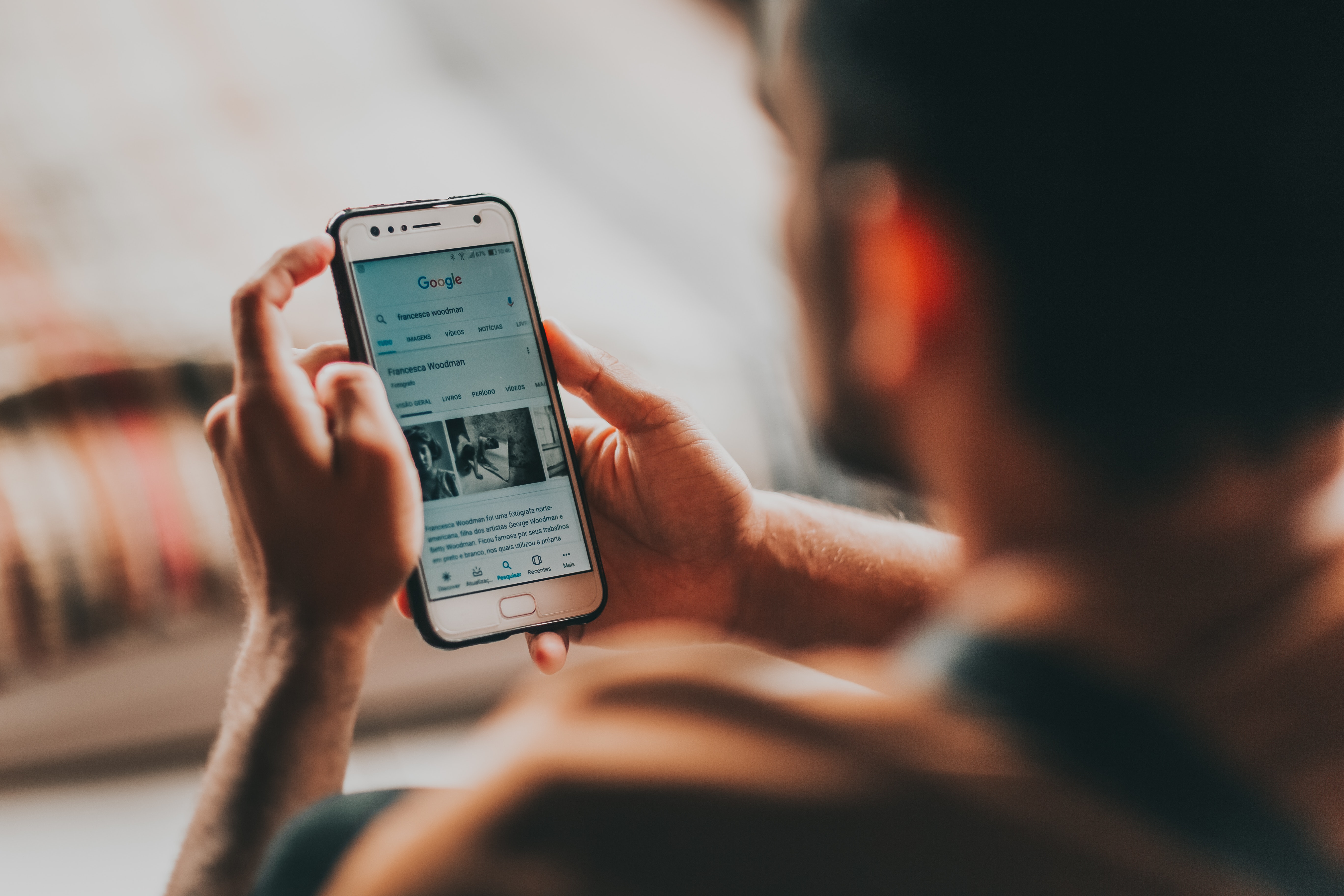
To regain control over our digital lives, it is crucial to recognize the signs of mobile addiction. Some common indicators include:
a. Excessive screen time: Spending a significant amount of time on your mobile device, often at the expense of other important activities.
b. Constant urge to check: Feeling a compulsive need to check your phone for notifications or updates, even in inappropriate or inconvenient situations.
c. Neglecting responsibilities: Allowing mobile use to interfere with work, studies, relationships, or daily tasks.
d. Social withdrawal: Choosing virtual interactions over real-life connections and experiencing a decline in social engagement.

The Impact of Mobile Addiction :
Mobile addiction can have far-reaching consequences on various aspects of our lives. Let's examine a few areas where its impact is most prominent:
a. Mental and emotional well-being: Excessive smartphone use has been linked to higher levels of stress, anxiety, and depression. Constant exposure to social media platforms can contribute to feelings of inadequacy and lower self-esteem.
b. Interpersonal relationships: Mobile addiction can strain personal relationships, as excessive screen time can lead to decreased face-to-face interaction and diminished quality time with loved ones.
c. Academic and professional performance: Frequent distractions from mobile devices can hinder concentration, productivity, and overall performance in studies or work.
d. Physical health: Sedentary behaviors associated with excessive mobile use can lead to a more sedentary lifestyle, contributing to health issues such as obesity, musculoskeletal problems, and eye strain.

Strategies to Reclaim Control :
Breaking free from mobile addiction requires conscious efforts and the adoption of healthier habits. Here are some practical strategies to help you reclaim control of your digital life:
a. Set boundaries: Establish specific periods of time for smartphone use, such as designated breaks or limited usage during certain hours of the day. Implementing digital detox days or weekends can also be beneficial.
b. Create phone-free zones: Designate certain areas, such as the bedroom or dining table, as technology-free zones to promote quality time with family and better sleep hygiene.
c. Prioritize activities: Identify activities that bring you joy or contribute to personal growth and allocate dedicated time for them. Engage in hobbies, exercise, or socialize without the distraction of your mobile device.
d. Practice mindful phone usage: Be conscious of how and why you are using your phone. Take regular breaks, practice deep breathing exercises, or engage in mindful activities that allow you to be fully present in the moment.
e. Utilize productivity tools: Make use of apps or features that help limit distractions, such as app blockers, notification management, or screen time tracking tools.
f. Seek support: If you find it challenging to break free from mobile addiction on your own, consider seeking support from friends, family, or professional counselors who can provide guidance and accountability.
Breaking free from mobile addiction is a journey that requires self-awareness, determination, and consistent effort. By recognizing the signs, understanding the impact, and implementing practical strategies, you can reclaim control over your digital life. Embrace a healthier relationship with your smartphone, prioritize meaningful connections, and rediscover the joy of being present in the world beyond the screen. Remember, you have the power to shape your digital habits and create a balanced and fulfilling life.
About the Creator
khadija yousaf
i am creative blog writer from pakistan and have much experience in this field
Enjoyed the story? Support the Creator.
Subscribe for free to receive all their stories in your feed.
Comments
There are no comments for this story
Be the first to respond and start the conversation.