
Bouncy Grass and Other Cool Things To Stay Away From
Bouncy Grass and Other Mesmerizing Natural Phenomena You Should Approach with Care
Bouncy Grass and Other Cool Things To Stay Away From
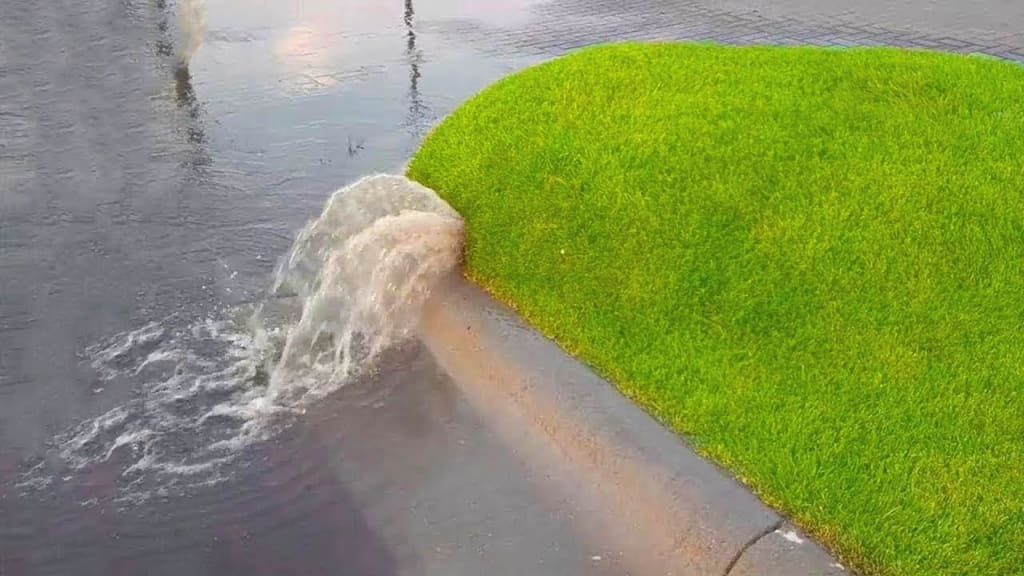
Taking a stroll on a warm Summer day can be enjoyable, but it can also be dangerous. The grass is green, the sun is in the sky, and you suddenly sink. You panic, but then quickly bounce back up. You test your footing and jump a little bit. The grass bounces with you like a trampoline this phenomenon is caused by soil liquefaction (excess water from heavy rain or floods becomes trapped in the soil). This makes the ground temporarily act like a giant water bed. It's tempting to run and bounce on the springy grass, but it's best to tread carefully. If someone fell through the grass, it would be incredibly difficult to get them out again. In addition to the erupting volcano, clouds of dark smoke and flowing lava are also terrifying sights.
What's even more terrifying is that scientists don't know exactly what causes lightning. A common theory is that during an eruption, the ash picks up so much friction that it creates a buildup of static electricity. This static electricity then triggers the volcanic lightning—a fire whirl or fire tornado. They occur when Ground winds pick up flames and escalate them into a whirling Force. These spinning Columns of fire can reach up to one thousand feet tall, but luckily they only last for a couple of minutes.
Fire tornadoes are pretty rare, but when they do happen, they can be quite dangerous. In 1923, a large city-wide fire produced a gigantic fire tornado that lasted 15 minutes. It devastated the city, causing significant damage and leaving 38 000 people injured on a cold and cloudless winter night. You might have been lucky enough to witness colorful beams of blue and orange light reaching up toward the sky—these are called Light Pillars. They occur when light is reflected from tiny ice crystals that float about in the atmosphere. These pillars are more common in cold Northern countries like Canada or Russia.
We've all witnessed the vivid rainbow arcs produced by the sun, but encountering a rainbow illuminated by the moon is a much rarer occurrence. This phenomenon is known as a moonbow. Similar to a traditional rainbow, a moonbow displays vibrant colors, but it materializes when Moonlight interacts with water droplets in the sky. However, moonbows are exceedingly uncommon and can only manifest under specific circumstances. Specifically, the moon must be positioned very low, the sky must be dark, and rainfall needs to occur directly opposite the Moon's position to create this captivating lunar rainbow.
If you ever find yourself taking a moonlit stroll along the shoreline during the night, you might come upon the fascinating spectacle of a bioluminescent beach. This captivating event arises when microorganisms called Plankton in the water become agitated by the motion of the waves, emitting a striking blue glow. These microorganisms tend to inhabit warmer waters, leading to the presence of these luminescent beaches in places like the Maldives, Puerto Rico, and even Florida.
In Antarctica, a unique natural phenomenon can be observed known as Blood Falls. This remarkable sight features water with a blood-red hue flowing from the Taylor Glacier, originating from an underground lake. Initially believed to be caused by a microorganism similar to the bioluminescent Plankton, subsequent research revealed that the water's high iron content oxidizes upon contact with the air, resulting in its distinctive color.
In colder climates where lakes remain frozen year-round, a fascinating occurrence takes place beneath the icy waters. Observant individuals can notice frozen bubbles trapped within the ice. These bubbles consist of methane gas, produced by bacteria that feed on other organisms and convert them into methane. These methane bubbles become trapped within the frozen layers of the lake's surface.
Asperatus clouds, a rarity in nature, present a unique cloud formation characterized by dark and storm-like undulations. Despite their ominous appearance, these clouds typically dissipate without influencing the weather significantly. While they are most commonly observed in the Great Plains of the United States, they have not been sighted since 2009.
Even harsh desert environments have their share of beauty, exemplified by formations called desert roses. These intricate clusters of crystal formations resemble roses and are created through the interplay of dry and wet conditions. The crystals form and encapsulate grains of sand, contributing to their distinctive appearance.
Steering toward marine phenomena, waterspouts draw attention as large tornado-like formations over bodies of water. In reality, waterspouts are a type of funnel-shaped cloud. These rotating columns of cloud-filled wind exhibit a darker appearance. Despite their resemblance to tornadoes, waterspouts are weaker and smaller, lacking the force to draw objects into them. Typically found in tropical climates, they usually disintegrate before reaching land.
Nevertheless, not all marine sights are enchanting; some can be perilous. Harmful algal blooms, also known as algae blooms, present a serious threat. These blooms arise when certain types of algae multiply excessively, leading to an array of toxic gases and substances. Cyanobacteria, dinoflagellates, and diatoms are the primary culprits, releasing toxins that can harm marine life and even humans. These blooms can last for varying durations, causing a significant reduction in oxygen levels and negatively impacting ecosystems.
While nature often offers awe-inspiring wonders, it also reminds us of its potential hazards. It's essential to approach these natural phenomena with caution and respect, recognizing both their beauty and the potential dangers they pose.
About the Creator
Enjoyed the story? Support the Creator.
Subscribe for free to receive all their stories in your feed.
Comments
There are no comments for this story
Be the first to respond and start the conversation.