
Bizarre Facts About the Solar System
There are many weird fact about the solar system which may you didn't know before.

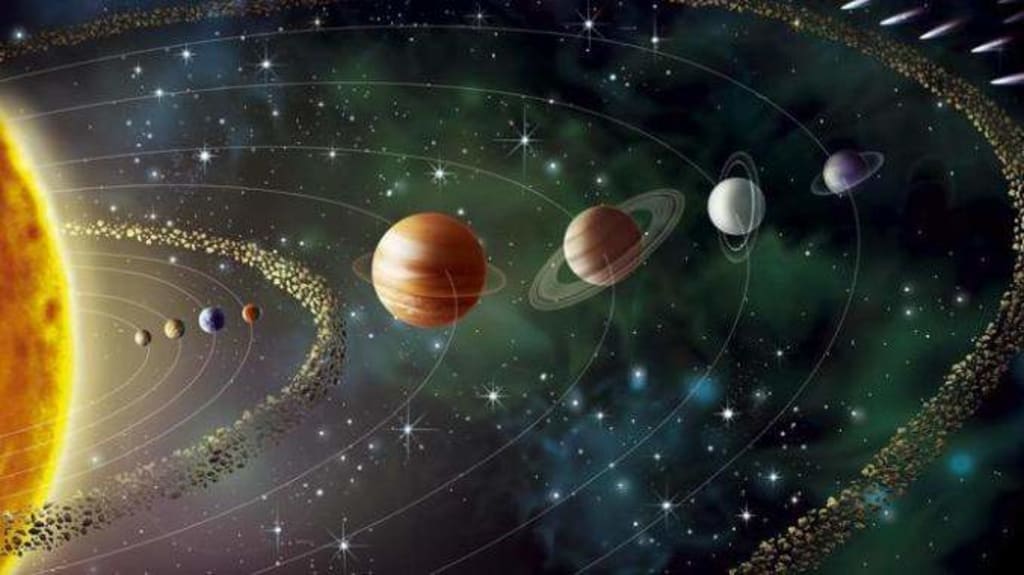
Our familiar solar system is, in fact, quite peculiar. It's filled with astonishing phenomena that defy explanation, such as persistent rumors of a massive hidden planet lurking beyond Neptune. Pluto's icy volcanoes and Mars' colossal canyon, which could comfortably accommodate the entire United States and most of Cleveland, add to its enigmatic nature. Let's delve into these intriguing facts about our solar system.
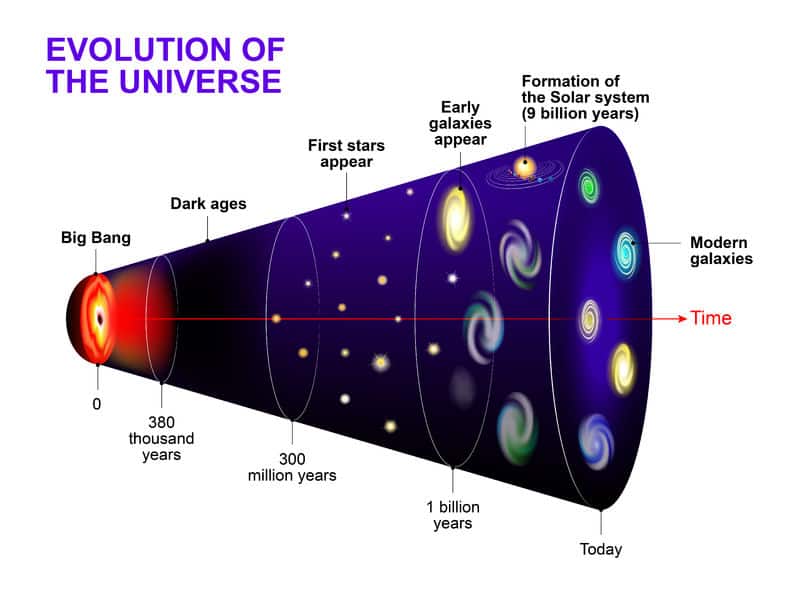
The age of our solar system is a staggering 4.6 billion years, a conclusion drawn from the study of the oldest available materials—meteorites.
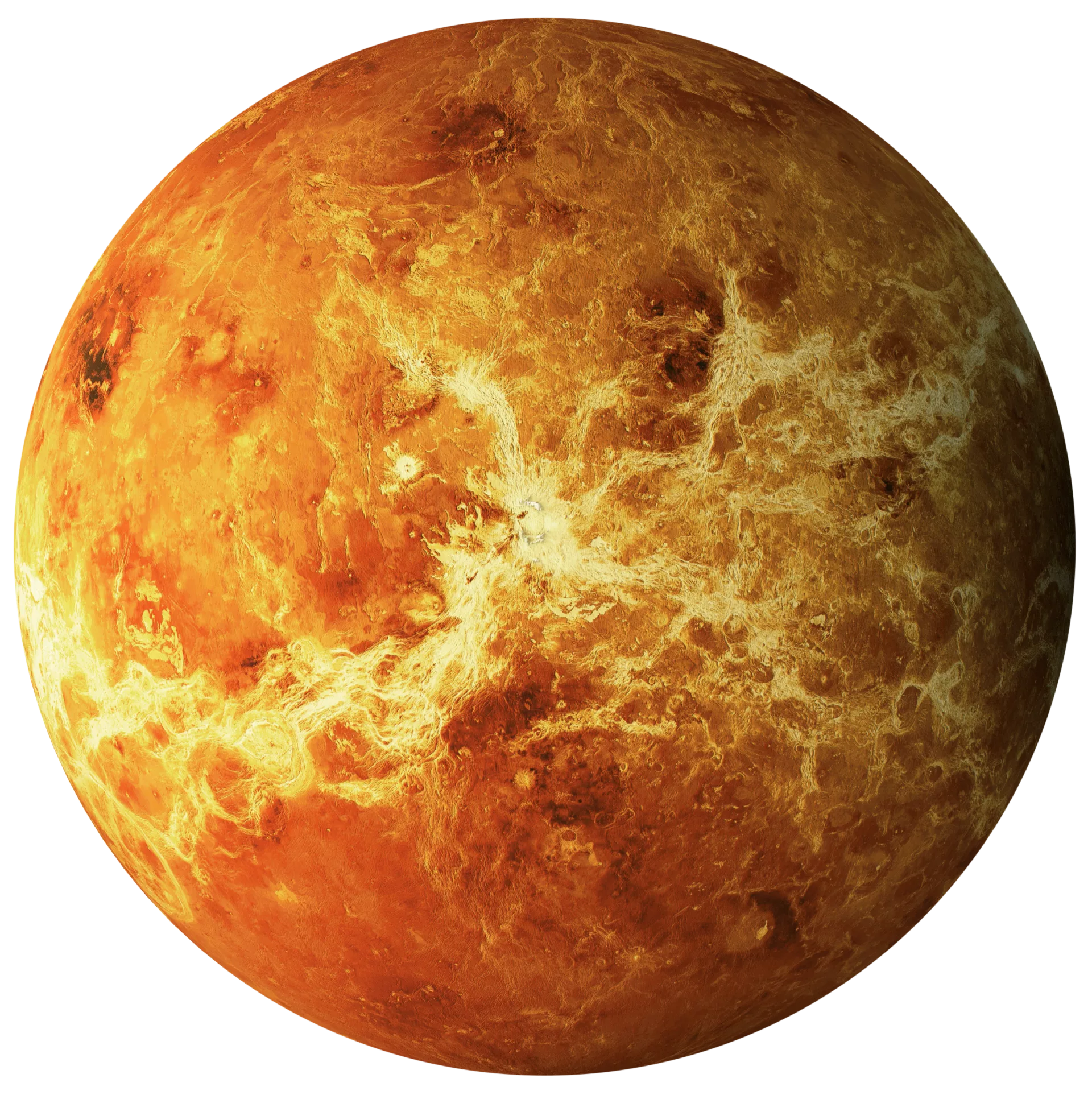
Venus, an unwelcoming planet where wearing a hat or standing upright is virtually impossible, boasts extraordinarily powerful and ceaseless winds that whip through its atmosphere at 50 times the rate of its rotation.
If you're looking to escape Earth, you'd have to journey a staggering 11 billion miles away before leaving our solar system. Don't forget to bring along your trusty Google Maps for guidance.
Methane, a byproduct of natural processes like volcanic activity and livestock emissions, not only exists in Mars' atmosphere but also perplexes scientists due to its fluctuating levels. The source of this methane remains a mystery.

Pluto's turbulent history includes a demotion from planet status in 2006, only to be reclassified as a dwarf planet. Its most surprising characteristic, however, is its diminutive size, with a diameter smaller than the United States' width.

Uranus, the planet that can't seem to decide on its name pronunciation, spins uniquely on its side, a puzzle for astronomers. The leading theory attributes this unusual orientation to ancient, high-energy collisions.

Our sun's immense mass is awe-inspiring. A staggering 99.886 percent of the total mass within our solar system is concentrated in the sun, primarily composed of hydrogen and helium. The remaining 0.14 percent encompasses the combined mass of the solar system's eight planets.
Mars may not be the only tectonically active planet in our solar system, as scientists have identified cliff-like landforms on Mercury. This peculiar feature might explain the planet's gradual shrinkage.

Contrary to popular sci-fi portrayals, asteroid belts are not a chaotic maze of dangerous rocks for spacecraft. Instead, the asteroid belt between Mars and Jupiter comprises widely spaced objects, minimizing the risk of collisions.
Beyond Neptune's orbit lies the mysterious Kuiper Belt, home to massive icy objects whose movements continue to baffle scientists. Hypothetically, Neptune may be concealing a colossal ninth planet, aptly named "planet nine."
Volcanoes on Earth and Pluto exhibit striking differences. While Earth's volcanoes spew molten lava, Pluto's cryovolcanoes eject ice due to the extreme pressure from frozen water expansion.
Iapetus, one of Saturn's moons, presents an enigma with its dual-toned surface, featuring both light and dark hemispheres, a puzzle that continues to baffle scientists.
Pluto's atmosphere, peculiarly extensive compared to its size, rises high above its surface, comprising over 20 layers of extremely cold and dense air.

We may not reside inside the sun, but our planet is within the sun's reach. Solar winds from the sun's atmosphere give rise to mesmerizing phenomena like the northern and southern lights.
Jupiter boasts an ocean, but not the type you'd imagine. This massive ocean, comprised of metallic hydrogen, is about 25,000 miles deep, nearly equivalent to Earth's circumference.

The sun's upper atmosphere is scorchingly hot, reaching temperatures in the millions of degrees Fahrenheit. Scientists suspect that solar heat bursts play a role in this unique phenomenon.
Saturn's stunning rings became known in the 1600s, but other gas giant planets, including Uranus, Neptune, and Jupiter, also possess thin, hard-to-observe rings. Earth, Venus, and Mars, in contrast, lack rings as they consist of rocky materials.
Our Milky Way galaxy houses numerous solar systems, far beyond our own, estimated at about 100 billion. The vastness of the universe suggests the existence of countless more solar systems beyond our galaxy.

On Earth, it's possible to come across meteorites originating from Mars. Scientists have made this astonishing discovery by analyzing meteorites found in various regions of our planet, revealing their Martian origin.
About the Creator
E Mohsen
I graduated with a degree in Mining Engineering and possess a strong passion for exploring the world, immersing myself in various cultures, and experiencing different environments.
Enjoyed the story? Support the Creator.
Subscribe for free to receive all their stories in your feed.
Comments
There are no comments for this story
Be the first to respond and start the conversation.