
Biomass Pyrolysis from Agricultural Waste: A New Growth Point for Rural Carbon Neutrality and the Bioeconomy
Rural Carbon Neutrality Through Biomass Innovation
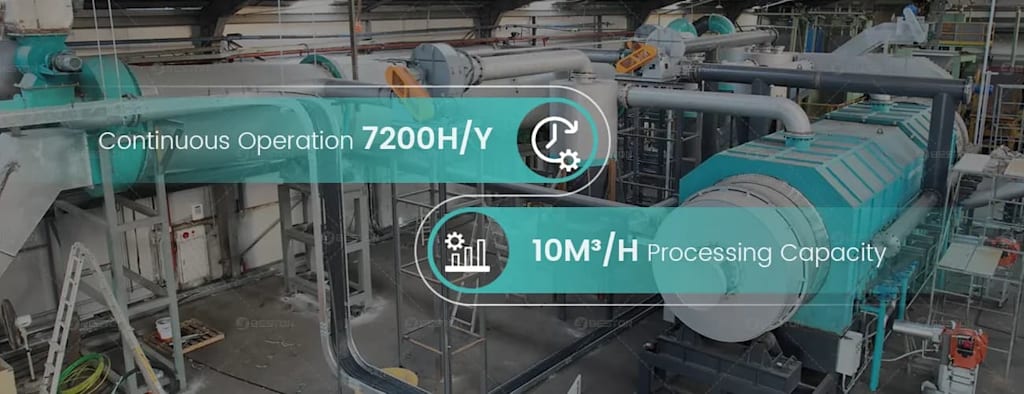
Agricultural waste is often seen as a problem—piles of straw, husks, and other residues that farmers struggle to dispose of. Yet, these same materials hold immense potential as a source of renewable energy and sustainable economic growth. One of the most promising solutions is biomass pyrolysis, a process that converts agricultural waste into bio-oil, biochar, and syngas through thermal decomposition in the absence of oxygen. Establishing a biomass pyrolysis plant in rural areas offers not only energy production but also contributes significantly to carbon neutrality and the development of a local bioeconomy.
A biomass pyrolysis plant operates by heating agricultural residues such as rice husks, corn stalks, wheat straw, or sugarcane bagasse at controlled temperatures. The process generates three valuable products: bio-oil, which can be used as a substitute for conventional fuel; biochar, which enriches soil fertility and locks carbon into the ground; and syngas, which can generate electricity or heat. For rural communities, this means turning what was once considered waste into multiple revenue streams and energy sources, effectively creating a circular economy.
The environmental impact of biomass pyrolysis is equally significant. Burning agricultural waste in open fields has long contributed to air pollution and greenhouse gas emissions. By diverting this waste to a biomass pyrolysis plant, communities can reduce CO₂ emissions while producing renewable energy. Biochar, one of the key by-products, sequesters carbon in a stable form that can remain in soil for decades. This dual effect supports rural carbon neutrality goals and aligns with broader national and global climate commitments.
Economically, the benefits are compelling. A biomass pyrolysis plant can stimulate local employment by creating jobs in feedstock collection, processing, plant operation, and product marketing. Farmers can sell their agricultural residues, generating extra income while contributing to a sustainable energy supply. The sale of bio-oil and biochar to industrial or commercial buyers can further boost local revenues, transforming rural areas into centers of bioeconomic activity.
Beyond economics and the environment, there is a strategic dimension. Countries aiming to reduce reliance on imported fossil fuels can leverage rural biomass resources. By decentralizing energy production, rural areas become less vulnerable to global energy price volatility. Furthermore, developing local bioenergy systems encourages innovation, research, and skills development in renewable energy technologies, laying the groundwork for a sustainable energy future.
Of course, challenges exist. Biomass feedstock collection must be efficient to ensure a consistent supply, and pyrolysis technology requires upfront investment. Yet, advances in pyrolysis reactor design, process optimization, and modular plant construction are making it increasingly feasible for rural deployment. Pilot projects worldwide demonstrate that small to medium-scale biomass pyrolysis plants can operate profitably while delivering social and environmental benefits.
The integration of biomass pyrolysis into rural economies represents more than just a technological upgrade; it is a transformative approach to sustainable development. By converting agricultural waste into clean energy and valuable products, rural communities can achieve multiple goals simultaneously: reducing emissions, generating income, creating jobs, and contributing to national carbon neutrality targets.
In conclusion, agricultural waste is no longer a byproduct to be discarded—it is a resource to be harnessed. Establishing biomass pyrolysis plants in rural areas is an innovative solution that bridges environmental sustainability with economic opportunity. As countries worldwide aim for carbon neutrality and a resilient bioeconomy, biomass pyrolysis offers a practical, scalable, and socially beneficial path forward. For rural regions, this technology represents a new growth point, turning the challenge of agricultural waste into a powerful engine of energy, income, and environmental stewardship.
Looking ahead, technological innovation will further enhance the role of biomass pyrolysis plants in rural development. Emerging advancements in reactor efficiency, catalytic upgrading, and automated feedstock handling are reducing costs and increasing energy yields, making small- and medium-scale operations more viable for local communities. Integration with other renewable systems, such as solar or wind, can create hybrid energy hubs that stabilize supply and maximize resource utilization. Additionally, digital monitoring and data analytics allow for predictive maintenance and process optimization, ensuring consistent output and higher profitability. As these innovations spread, rural areas could become incubators for cutting-edge bioenergy solutions, demonstrating that sustainable energy production is not only feasible but also economically empowering. Ultimately, investing in biomass pyrolysis technology positions rural communities at the forefront of the global transition toward a circular, low-carbon bioeconomy.
About the Creator
Enjoyed the story? Support the Creator.
Subscribe for free to receive all their stories in your feed.
Comments
There are no comments for this story
Be the first to respond and start the conversation.