
Biochar vs. Compost: Which Is Better for Soil and Sustainability?
The Soil Debate: Long-Term Stability vs. Immediate Fertility
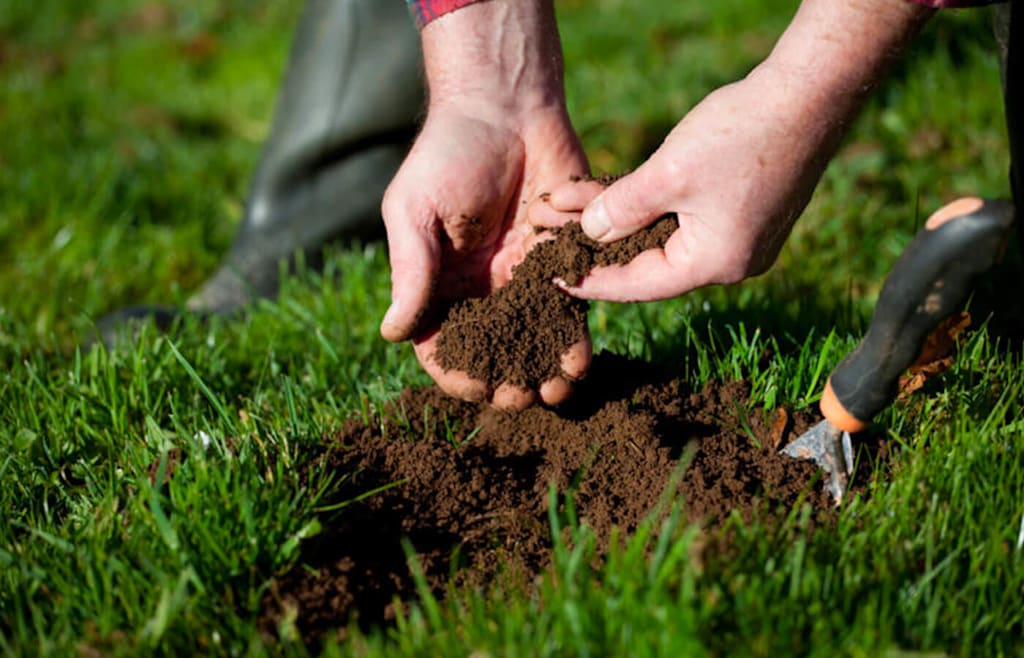
In the quest for healthier soils and more sustainable agriculture, two soil amendments have garnered significant attention: biochar and compost. Both offer unique benefits for improving soil fertility, sequestering carbon, and supporting plant growth. Yet, the question often arises: which one is better? To answer this, it is crucial to understand their composition, mechanisms of action, environmental impacts, and long-term effects on ecosystems.
Understanding Biochar and Compost
Biochar is a form of charcoal produced by heating organic material in a low-oxygen environment, a process known as pyrolysis. Its porous structure and high carbon content make it highly stable, meaning it can persist in soils for hundreds to thousands of years. Biochar’s primary functions include enhancing soil structure, increasing water retention, and providing habitats for beneficial microorganisms. Moreover, biochar is an effective tool for carbon sequestration because the carbon locked in its structure is resistant to decomposition.
Compost, on the other hand, is the product of controlled aerobic decomposition of organic matter such as food waste, crop residues, and manure. Unlike biochar, compost is rich in nutrients, particularly nitrogen, phosphorus, and potassium, which are immediately available to plants. Compost also introduces a diverse microbial population into the soil, improving soil health, nutrient cycling, and disease suppression. However, the carbon in compost is more labile and decomposes faster, releasing carbon dioxide back into the atmosphere.
Soil Health and Fertility
When evaluating soil amendments, one of the most important factors is their effect on soil health and fertility. Compost excels in this area due to its nutrient richness. Farmers and gardeners often rely on compost to replenish soils that have been depleted of essential nutrients. Its microbial diversity also contributes to the suppression of soil-borne diseases, enhancing plant resilience. Furthermore, compost improves soil texture, making clay soils more friable and sandy soils better at retaining moisture.
Biochar produced by modern biochar production equipment, in contrast, is not inherently nutrient-rich. Its value lies primarily in its ability to enhance the soil’s physical and chemical properties. Biochar’s porous structure increases water-holding capacity, aeration, and cation exchange capacity (CEC), allowing soils to retain nutrients more effectively. While biochar itself may not provide nutrients, it can act as a carrier for fertilizers or compost, boosting nutrient efficiency and reducing leaching. In acidic soils, biochar can also help neutralize pH, creating a more favorable environment for plant growth.
Environmental Impact
In the era of climate change, environmental sustainability is a critical consideration. Biochar is particularly noteworthy for its carbon sequestration potential. By stabilizing carbon in the soil for long periods, biochar can help mitigate greenhouse gas emissions, making it a powerful tool for climate-smart agriculture. It can also reduce nitrous oxide and methane emissions from soils, further contributing to environmental benefits.
Compost, while also environmentally beneficial, works differently. It diverts organic waste from landfills, reducing methane emissions from decomposing waste. Additionally, by returning organic matter to the soil, compost improves soil carbon content, though the carbon is not as stable as in biochar. Composting also reduces the need for chemical fertilizers, lowering the environmental footprint of conventional agriculture.
Long-Term Considerations
The choice between biochar and compost also depends on long-term agricultural goals. Biochar’s longevity in soils makes it ideal for long-term soil improvement and carbon storage. Its effectiveness is often amplified when combined with compost or other nutrient sources. Compost, in contrast, delivers immediate nutrient benefits but requires regular application to maintain soil fertility. For farmers looking for quick improvements in crop yield, compost is often the go-to choice. However, integrating both biochar and compost can provide synergistic benefits: biochar enhances soil structure and nutrient retention, while compost provides the essential nutrients and microbial life.
Economic and Practical Factors
From a practical standpoint, availability, cost, and ease of application play a role in determining which amendment is more suitable. Compost is relatively easy to produce on farms or through municipal programs, and its nutrient-rich composition often justifies the cost. Biochar production, however, requires specialized equipment and energy input, which can make it more expensive upfront. Nevertheless, the long-term benefits of biochar, particularly in carbon sequestration and soil enhancement, may offset these initial costs.
Conclusion: Complementary, Not Competitive
Ultimately, the question of whether biochar or compost is better does not have a one-size-fits-all answer. Each has distinct advantages: compost provides immediate fertility, microbial diversity, and organic matter, while biochar offers long-term soil improvement, nutrient retention, and climate benefits. In practice, the most effective strategy often combines both. Applying biochar with compost can maximize soil health, improve crop yields, and contribute meaningfully to sustainability goals. Rather than choosing between them, embracing their complementary strengths represents a forward-thinking approach to regenerative agriculture.
In the larger context, biochar and compost exemplify the potential of natural processes to enhance food security, soil resilience, and environmental stewardship. As global agriculture faces challenges from climate change, soil degradation, and resource scarcity, leveraging both amendments could redefine sustainable farming practices for generations to come.
About the Creator
Enjoyed the story? Support the Creator.
Subscribe for free to receive all their stories in your feed.
Comments
There are no comments for this story
Be the first to respond and start the conversation.