
Automation and Robotics in Plastic Injection Molding
The future of injection molding lies in the seamless integration of human expertise with robotic precision, creating a synergy that drives the industry forward. For the modern injection moulder, embracing automation and robotics is not just an option—it's a necessity for staying competitive in an increasingly technology-driven market. Understanding how to make a mold for injection molding will become easier as these technologies advance, further enhancing the capabilities of manufacturers. The integration of these innovations will lead to a more efficient, sustainable, and responsive injection molding process, ensuring that businesses can thrive in the future.
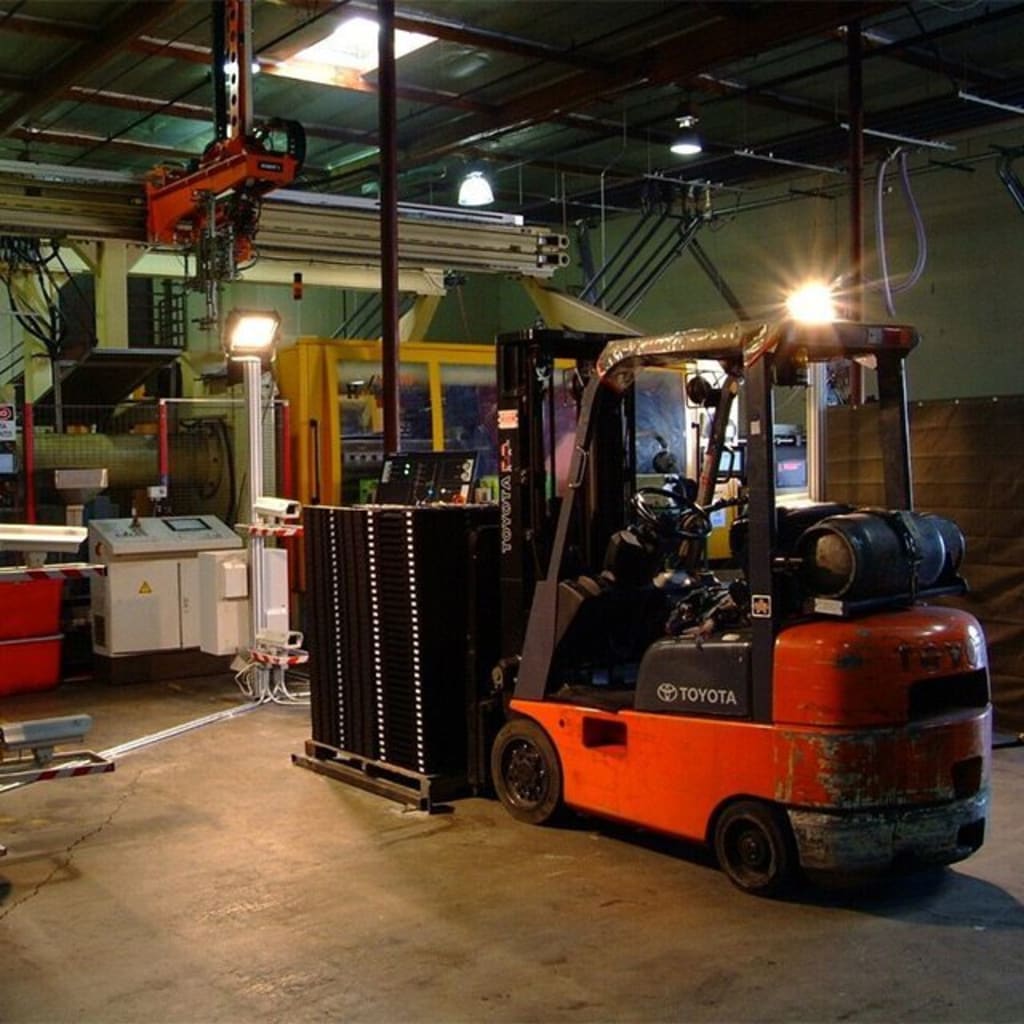
The plastic injection molding industry is currently experiencing a significant transformation, largely due to the integration of automation and robotics. This technological revolution is reshaping the role of the injection moulder, enhancing efficiency, precision, and productivity in manufacturing processes. As companies strive to remain competitive, the adoption of these advanced technologies is becoming essential. The shift towards automation not only streamlines operations but also allows manufacturers to meet the increasing demands for high-quality products in a timely manner.
The Evolution of Injection Molding Automation
Automation in injection molding has evolved remarkably over the years. It has progressed from simple pick-and-place robots, which were primarily used for basic tasks, to sophisticated systems capable of handling complex operations. Modern injection moulders are increasingly relying on these advanced technologies to streamline their operations. This evolution has led to the development of smart factories where machines communicate with each other, optimizing the entire production process. The integration of artificial intelligence and machine learning is also playing a crucial role in this transformation, allowing for predictive maintenance and real-time adjustments to improve efficiency.
Key Areas of Automation in Iran Ettekal
1. Part Removal and Handling
o Robotic arms efficiently extract molded parts from the machine, ensuring that the process is quick and minimizes the risk of damage to the products. These robots can operate at high speeds, significantly reducing the time taken to remove parts from the mold for injection molding machines.
o Automated conveyor systems transport parts for further processing or packaging, ensuring a smooth flow of materials throughout the production line. This automation reduces the need for manual handling, which can be time-consuming and prone to errors.
2. Quality Control and Inspection
o Vision systems perform real-time quality checks on molded parts, identifying defects or inconsistencies immediately. This capability allows manufacturers to address issues before they escalate, ensuring that only high-quality products reach the market.
o Automated measurement tools ensure dimensional accuracy, which is critical in maintaining the standards required for various applications. These tools can quickly assess whether parts meet specifications, reducing the reliance on manual inspections.
3. Material Handling and Feeding
o Automated material handling systems ensure consistent material flow, which is vital for maintaining production efficiency. These systems can automatically feed materials into the mold for injection molding, reducing the risk of material shortages or delays.
o Gravimetric blending systems precisely mix materials for optimal quality, ensuring that the right proportions are used for each batch. This precision is essential for producing consistent and high-quality molded parts.
4. Mold Changes and Setup
o Robotic systems assist in quick mold changes, reducing downtime significantly. This capability is particularly important in environments where multiple products are manufactured, as it allows for rapid transitions between different molds for injection molding.
o Automated setup procedures ensure consistent process parameters, which is crucial for maintaining quality across different production runs. This consistency helps in reducing variability and improving overall product quality.
Benefits for the Injection Moulder
1. Increased Productivity
o The ability to operate 24/7 with minimal human intervention is a game-changer for manufacturers. This continuous operation capability allows companies to maximize output and meet customer demands more effectively.
o Faster cycle times and reduced downtime between production runs contribute to higher overall productivity. Automation enables quicker setups and transitions, allowing for more efficient use of resources.
2. Improved Quality and Consistency
o The elimination of human error in repetitive tasks is a significant advantage of automation. By relying on machines for consistent operations, manufacturers can achieve a higher level of quality in their products.
o Consistent part quality across large production runs is essential for maintaining customer satisfaction and brand reputation. Automation helps ensure that every part produced meets the same high standards.
3. Enhanced Safety
o Robots handle dangerous or repetitive tasks, significantly reducing the risk of workplace injuries. This shift not only protects workers but also fosters a safer working environment.
o Automated systems manage heavy molds and materials, minimizing physical strain on workers. This reduction in manual labor helps prevent fatigue and injuries associated with lifting and moving heavy objects.
4. Cost Efficiency
o Reduced labor costs for routine operations are a direct benefit of automation. By minimizing the need for manual labor, companies can allocate resources more effectively.
o Improved material utilization and reduced waste contribute to overall cost savings. Automation ensures that materials are used efficiently, minimizing excess and optimizing production processes.
5. Flexibility and Scalability
o Automated systems are easily adaptable to different product lines and production volumes. This flexibility allows manufacturers to respond quickly to changing market demands and customer preferences.
o Rapid changeovers for varying product demands enable companies to stay competitive in a fast-paced market. The ability to switch between different molds for injection molding quickly is crucial for meeting diverse customer needs.
Challenges and Considerations
1. Initial Investment
o High upfront costs for robotic systems and automation equipment can be a barrier for some manufacturers. However, the long-term benefits often outweigh these initial expenses.
o The need for specialized training and skilled personnel to operate and maintain these systems is another consideration. Investing in employee training is essential for maximizing the benefits of automation.
2. Integration Complexities
o Ensuring seamless integration with existing systems and workflows can be challenging. Manufacturers must carefully plan the implementation process to minimize disruptions.
o Potential for initial disruptions during implementation can affect production schedules. It is crucial to have a well-thought-out strategy to address these challenges.
3. Maintenance and Upgrades
o Regular maintenance and software updates are required to keep automated systems running smoothly. This ongoing commitment is essential for preventing costly downtime.
o Potential for costly downtime if systems malfunction highlights the importance of having contingency plans in place. Manufacturers must be prepared to address any issues that arise promptly.
Future Trends in Injection Molding Automation
As the industry continues to evolve, the future of injection molding automation looks promising. Innovations in robotics, artificial intelligence, and machine learning will further enhance the capabilities of automated systems. Manufacturers will increasingly focus on sustainability, seeking ways to reduce energy consumption and waste in their processes. The integration of smart technologies will enable real-time monitoring and adjustments, leading to even greater efficiency and quality in production. Understanding how to make a mold for injection molding will also become more streamlined, as automation simplifies the design and production processes. Overall, the future of automation in injection molding is bright, with endless possibilities for growth and improvement.
Artificial Intelligence and Machine Learning
• Predictive maintenance is crucial for preventing machine failures. By using advanced algorithms, manufacturers can anticipate when a machine might fail, allowing for timely repairs and minimizing downtime. This proactive approach not only saves costs but also ensures that production schedules remain uninterrupted.
• Self-optimizing processes are designed to improve efficiency continuously. These systems analyze data in real-time, making adjustments to operations without human intervention. This capability leads to enhanced productivity and reduced waste, which is essential for maintaining competitiveness in the market.
Collaborative Robots (Cobots)
• Collaborative robots, or cobots, work alongside human operators, enhancing flexibility in the workplace. These robots are designed to assist with various tasks, allowing human workers to focus on more complex and creative aspects of production. This collaboration leads to a more efficient workflow and improved job satisfaction among employees.
• Easier programming and adaptability make cobots particularly beneficial for small to medium-sized moulders. With user-friendly interfaces, these robots can be quickly programmed to perform different tasks, making them ideal for businesses that need to switch between various molds for injection molding. This adaptability allows manufacturers to respond swiftly to changing market demands.
Internet of Things (IoT) Integration
• Real-time monitoring and data analytics are vital for process optimization. By integrating IoT technology, manufacturers can track machine performance and production metrics continuously. This data-driven approach enables quick decision-making and helps identify areas for improvement, ultimately leading to higher efficiency.
• Remote monitoring and control of injection molding operations provide manufacturers with the ability to oversee processes from anywhere. This capability is particularly useful for managing multiple production sites, allowing for centralized control and oversight. It also enhances the ability to respond to issues as they arise, ensuring smooth operations.
Advanced End-of-Arm Tooling (EOAT)
• Multi-functional EOAT is essential for complex part handling and in-mold operations. These tools can perform various tasks, such as gripping, cutting, and assembling, all in one setup. This versatility reduces the need for multiple tools and streamlines the production process, making it more efficient.
• Sensor-equipped EOAT enhances quality control by providing real-time feedback on the parts being handled. These sensors can detect defects or inconsistencies during production, allowing for immediate corrections. This capability ensures that only high-quality products are produced, which is crucial for maintaining customer satisfaction.
Conclusion
Automation and robotics are revolutionizing the plastic injection molding industry, offering injection moulders unprecedented opportunities for efficiency, quality, and innovation. While challenges exist, the benefits of embracing these technologies far outweigh the initial hurdles. As the industry continues to evolve, injection moulders who adapt to these technological advancements will be well-positioned to meet the growing demands of modern manufacturing.
About the Creator
Enjoyed the story? Support the Creator.
Subscribe for free to receive all their stories in your feed.
Comments
There are no comments for this story
Be the first to respond and start the conversation.