
Australia's Unique Terrestrial Treasures
A Glimpse into the Land Animals of the Continent


Australia's vast and diverse landscapes are home to a plethora of unique and captivating land animals that have evolved in isolation over millions of years. From the iconic kangaroos and koalas to the lesser-known quokkas and echidnas, the continent boasts a rich tapestry of terrestrial creatures that embody the spirit of Australia's remarkable biodiversity.
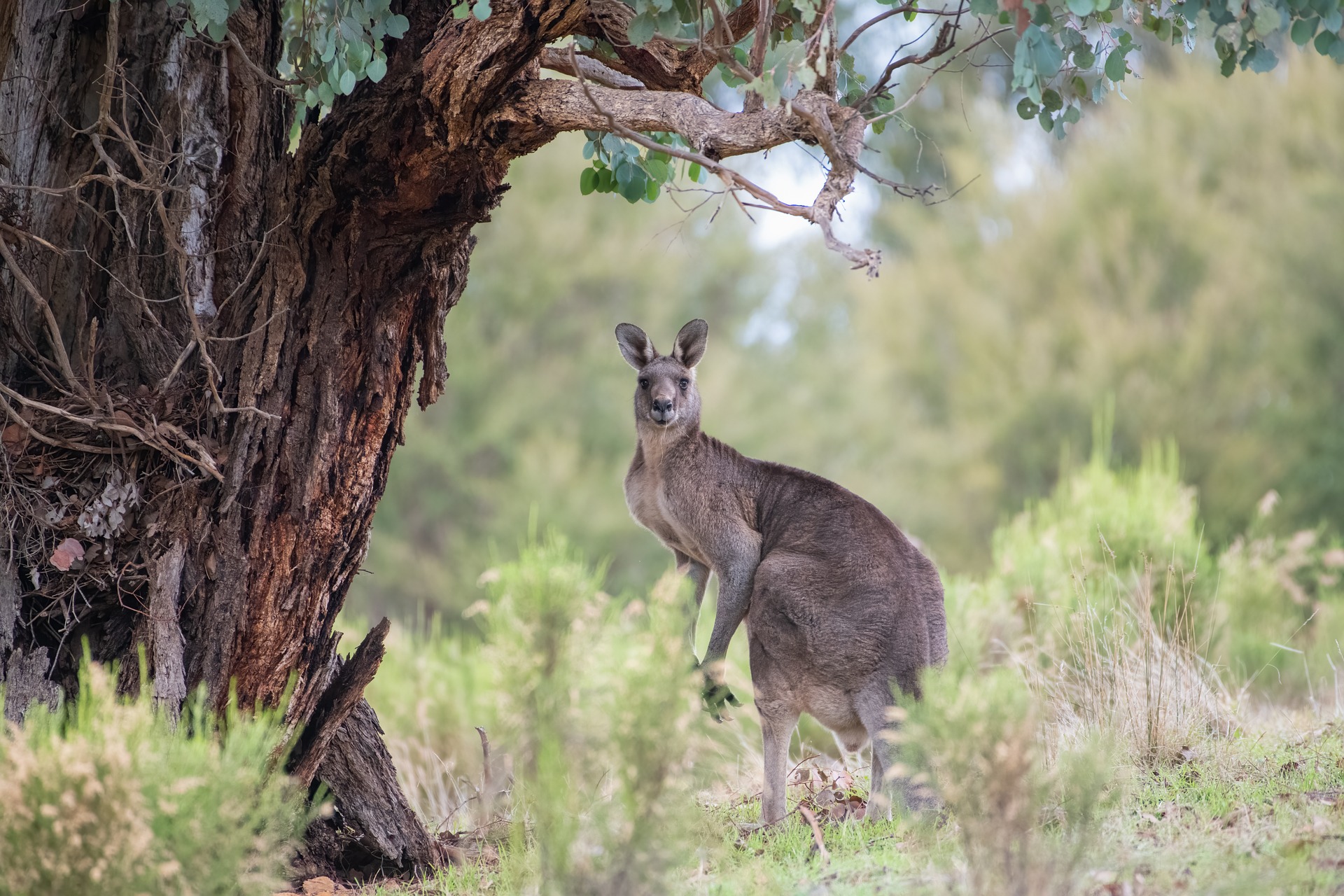
Kangaroos: Emblematic Hoppers of the Outback
Kangaroos are perhaps the most iconic of all Australian animals, representing the rugged expanse of the Outback. These marsupials are perfectly adapted to their environment, using their powerful hind legs to bound across vast distances, conserving energy in the process. Kangaroos have a specialized form of locomotion called "pentapedalism." They use their powerful hind legs to bound in an alternating pattern, while their tail acts as a stabilizer. This energy-efficient hopping allows them to cover large distances with minimal effort. With their distinctive hopping gait and muscular tails, kangaroos have become a symbol of Australia's unique wildlife.
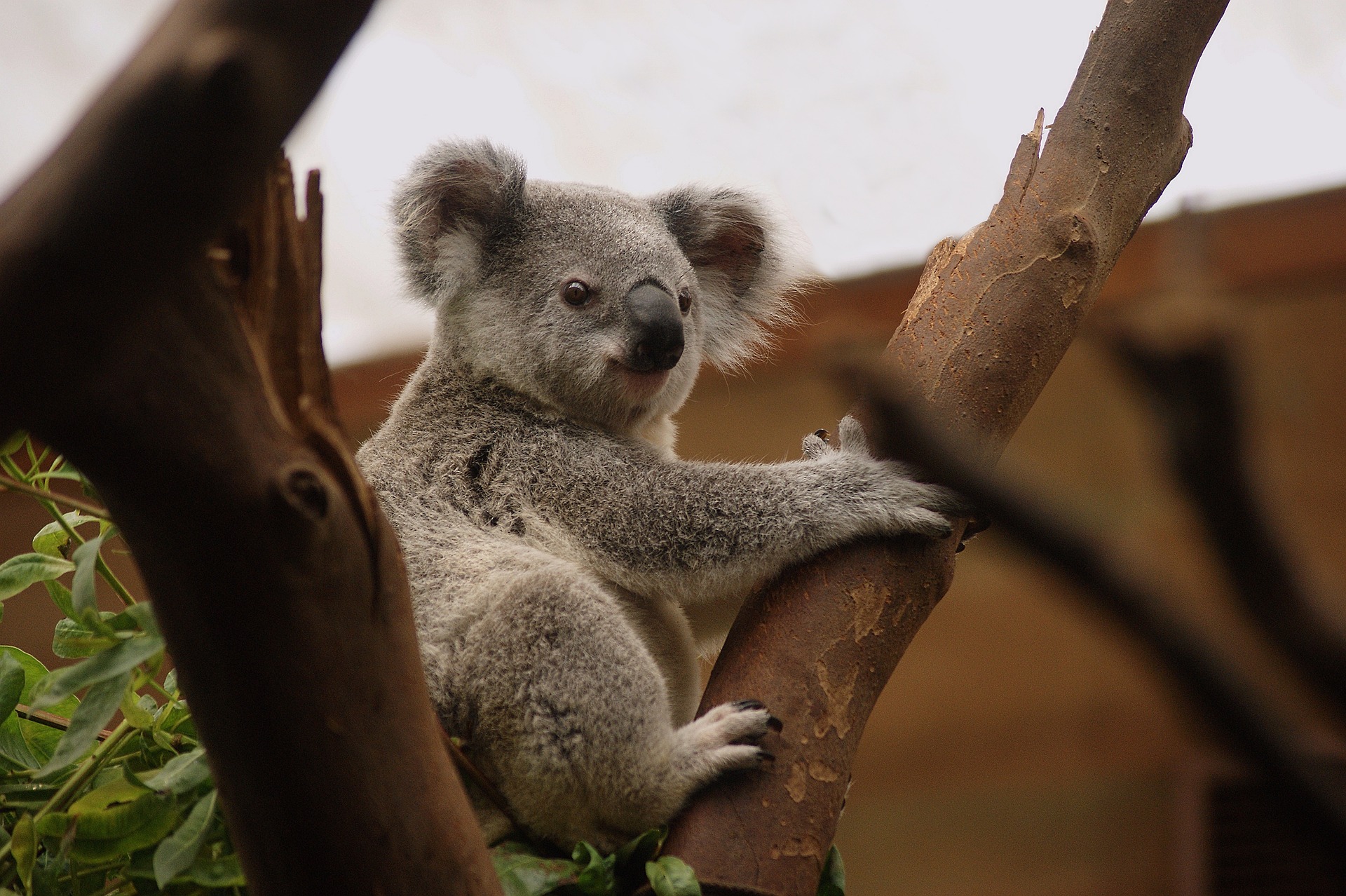
Koalas: The Eucalyptus-Loving Icons
Perched high in the eucalyptus trees, koalas capture the hearts of many with their adorable appearances and leisurely lifestyles. These marsupials are highly specialized to their diet of eucalyptus leaves, which provide both nutrition and hydration. Koalas have sharp claws and opposable thumbs, which help them grip onto tree branches with ease. Their thick fur and a specialized oil produced by their scent glands provide protection from rain and regulate their body temperature. Despite their slow movements, koalas are incredibly agile in the treetops, and their gentle demeanor has made them beloved ambassadors of Australian wildlife.
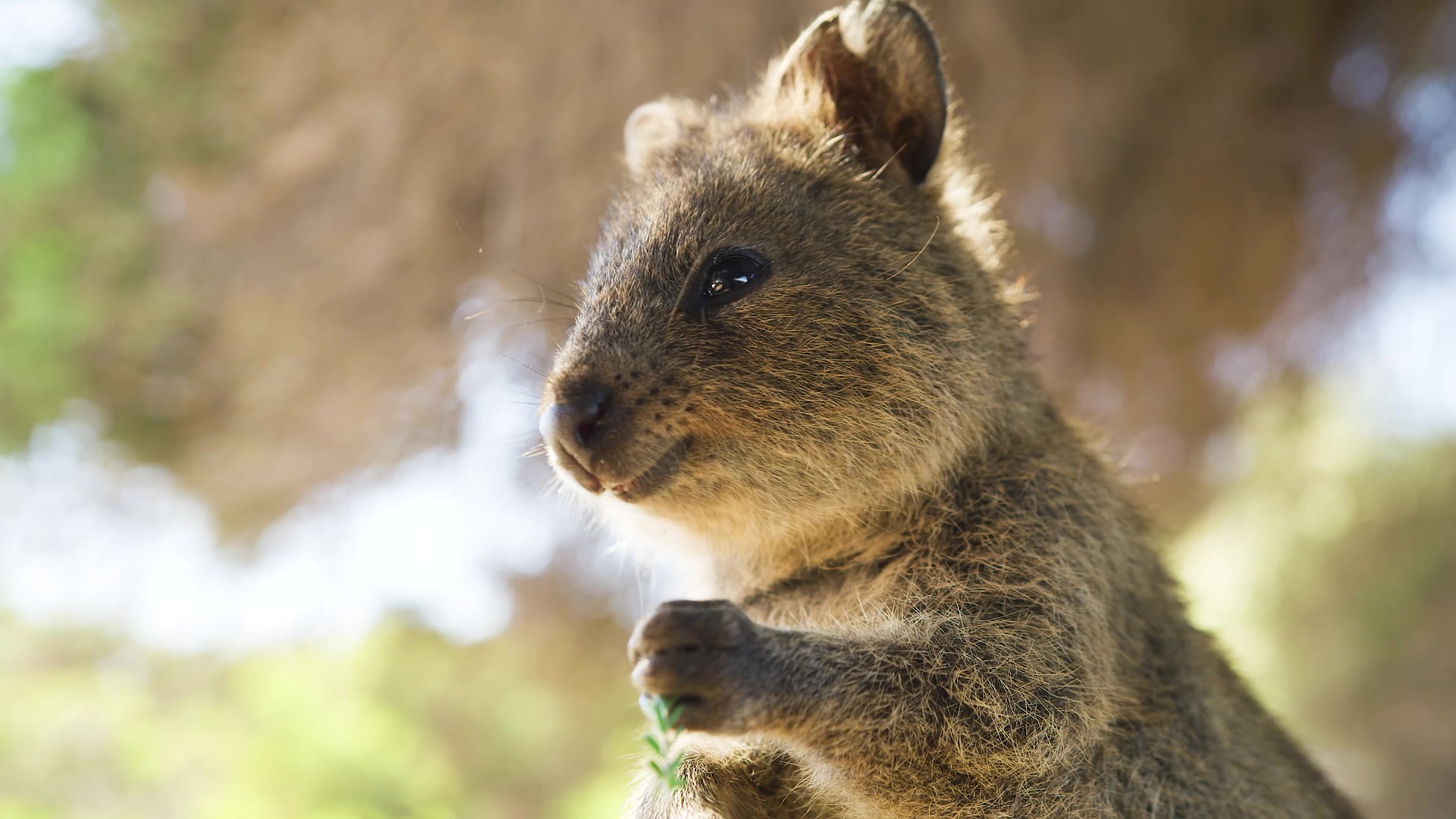
Quokkas: The World's Happiest Animal
Found mainly on Rottnest Island in Western Australia, quokkas have earned a reputation as the "world's happiest animal" due to their seemingly perpetual smile. These small, herbivorous marsupials are known for their friendly and curious nature, often approaching visitors with a nonchalant attitude. The rise of quokka selfies on social media has helped raise awareness about these charming creatures.
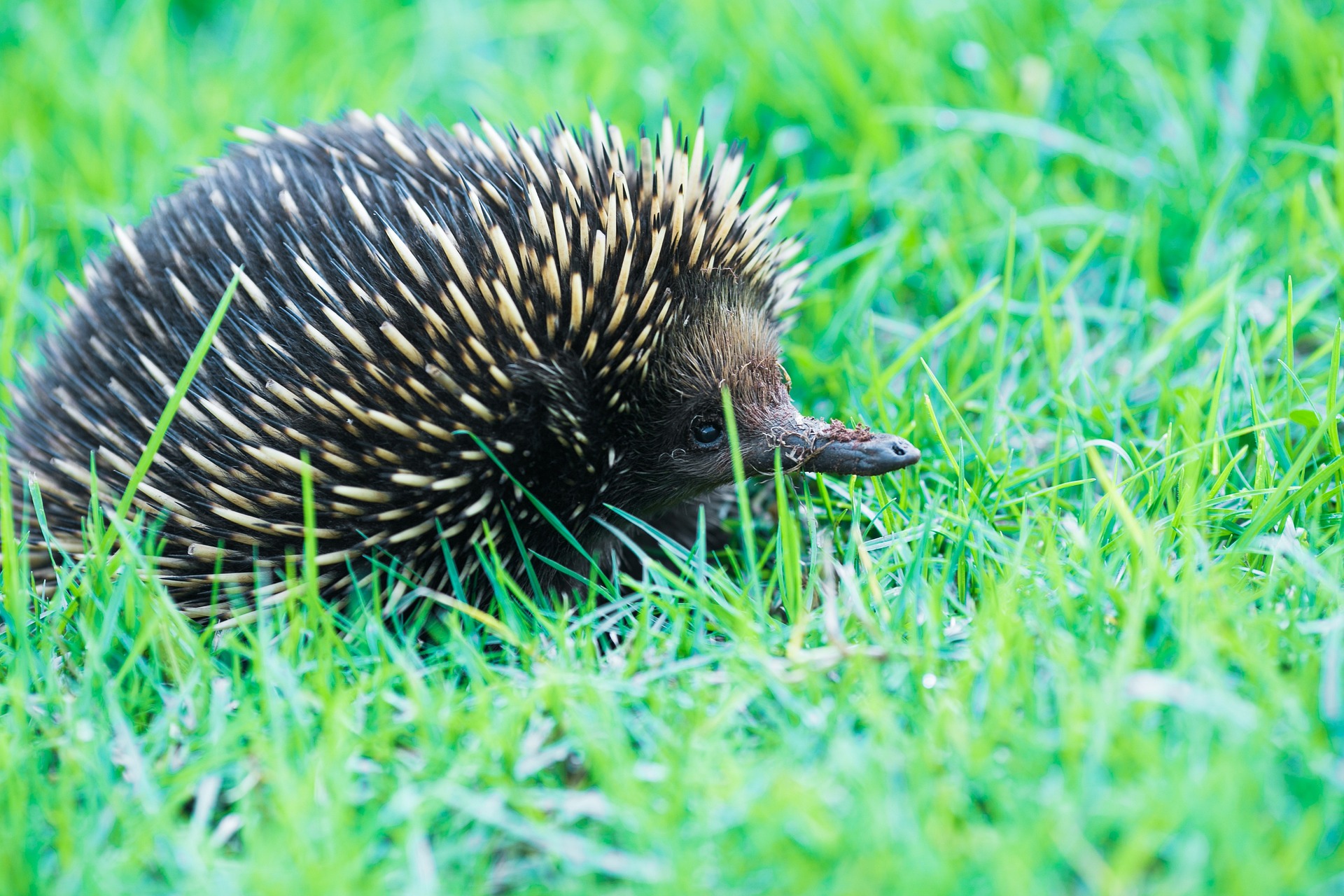
Echidnas: Australia's Spiky Egg Layers
Echidnas, also known as spiny anteaters, are fascinating monotremes – egg-laying mammals – found in various parts of Australia. With their spiky exteriors and long, sticky tongues, echidnas feed primarily on ants and termites. They are known for their unique method of reproduction, where females lay eggs and carry them in a pouch until they hatch, showcasing the diverse ways in which life has evolved in Australia.
Wombats: Masters of Burrow Engineering
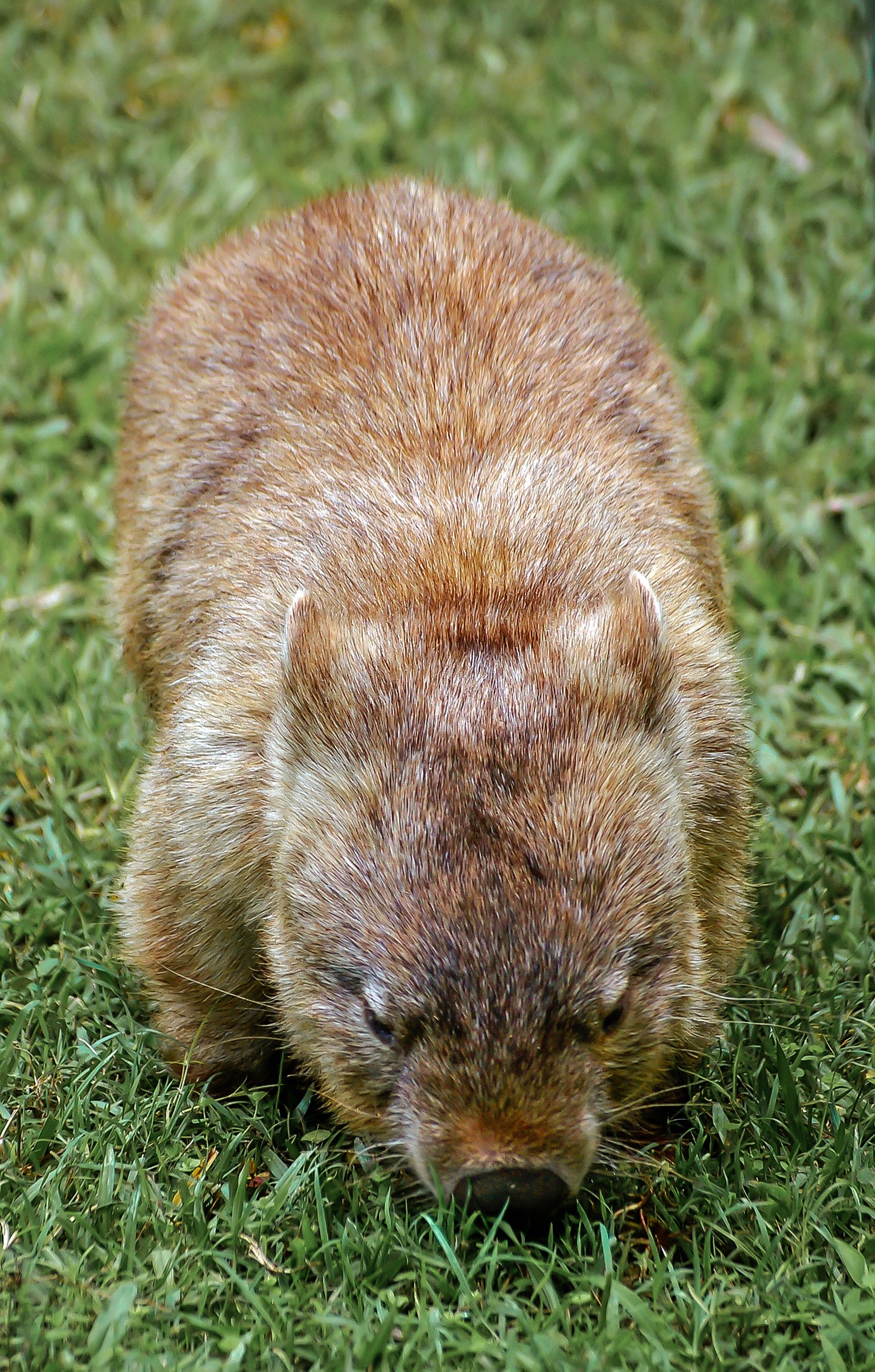
Wombats are sturdy, burrow-dwelling marsupials known for their stocky build and powerful legs. These creatures have a remarkable ability to dig complex burrows, providing shelter from predators and temperature extremes. Their cube-shaped scat has also earned them a reputation for leaving behind unusual calling cards in the wild.
Emus: Flightless Giants of the Bush
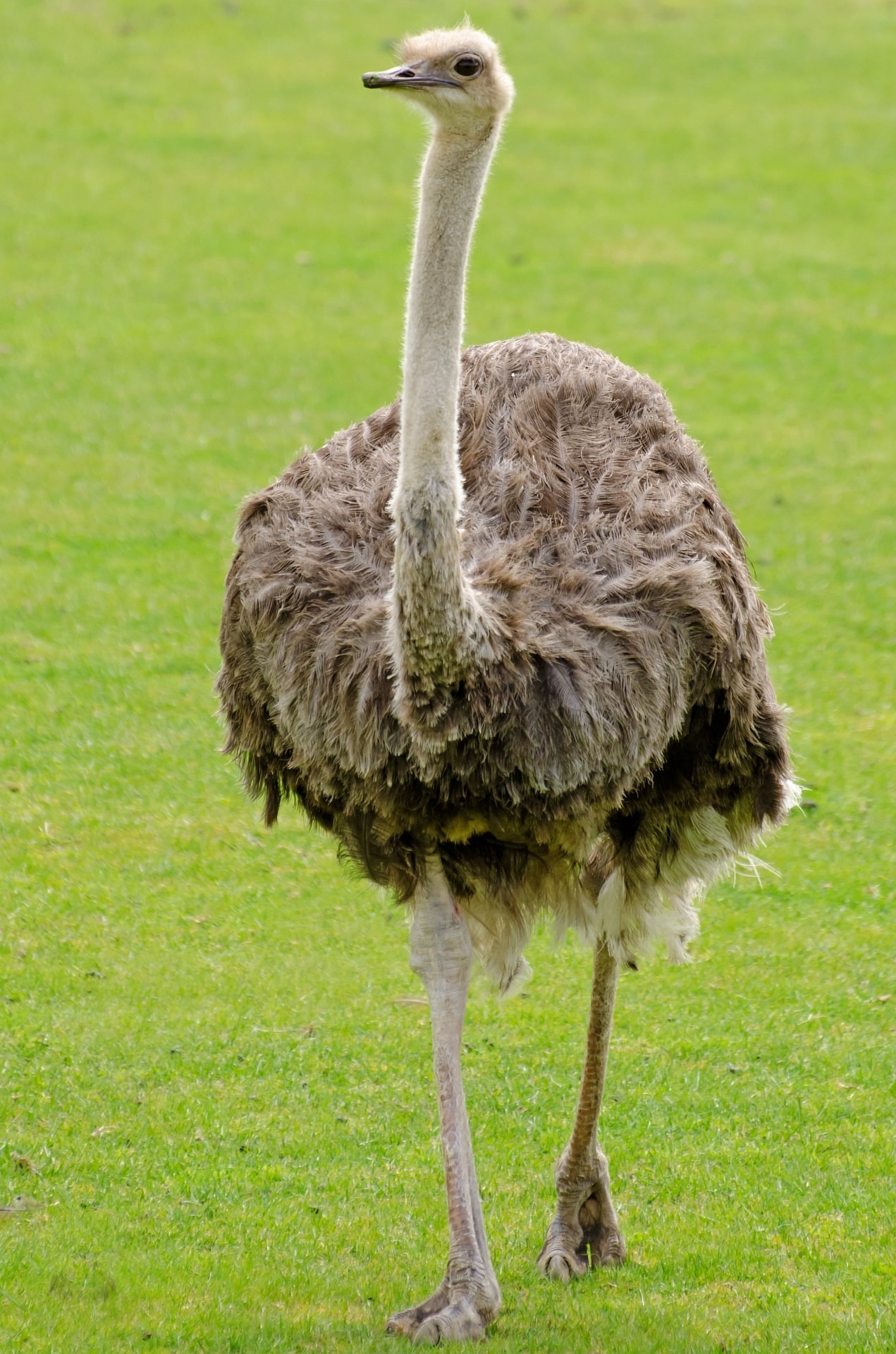
The emu is the largest bird in Australia and the second-largest bird in the world, after the ostrich. These flightless giants are known for their distinctive appearance, with long necks, powerful legs, and shaggy feathers. Emus are skilled runners and can reach speeds of up to 30 miles per hour (50 km/h). They are also significant in Indigenous Australian culture, often featured in stories and art.
Safeguarding Australia's Unique Fauna
While Australia's land animals showcase incredible adaptations and diversity, many of these species face threats from habitat loss, invasive species, and climate change. Conservation efforts, ranging from habitat preservation to captive breeding programs, play a vital role in protecting these unique creatures and ensuring their survival for future generations to appreciate.
As we celebrate the extraordinary land animals that call Australia home, let us also recognize the importance of conservation in preserving the rich tapestry of life that graces this ancient and diverse continent. Each kangaroo hop, koala nap, and quokka smile tells a story of evolution and adaptation, reminding us of the beauty and wonder that nature has to offer.
About the Creator
Enjoyed the story? Support the Creator.
Subscribe for free to receive all their stories in your feed.
Comments