
Annapurna Circuit Trek Guide: A Complete Handbook for Trekkers
The Annapurna Circuit is located in the Annapurna region of central Nepal. It encircles the Annapurna Massif and takes trekkers through multiple districts including Lamjung, Manang, Mustang, and Myagdi. The trail traditionally begins in Besisahar and ends in Pokhara, covering approximately 160–230 kilometers, depending on the route variations.

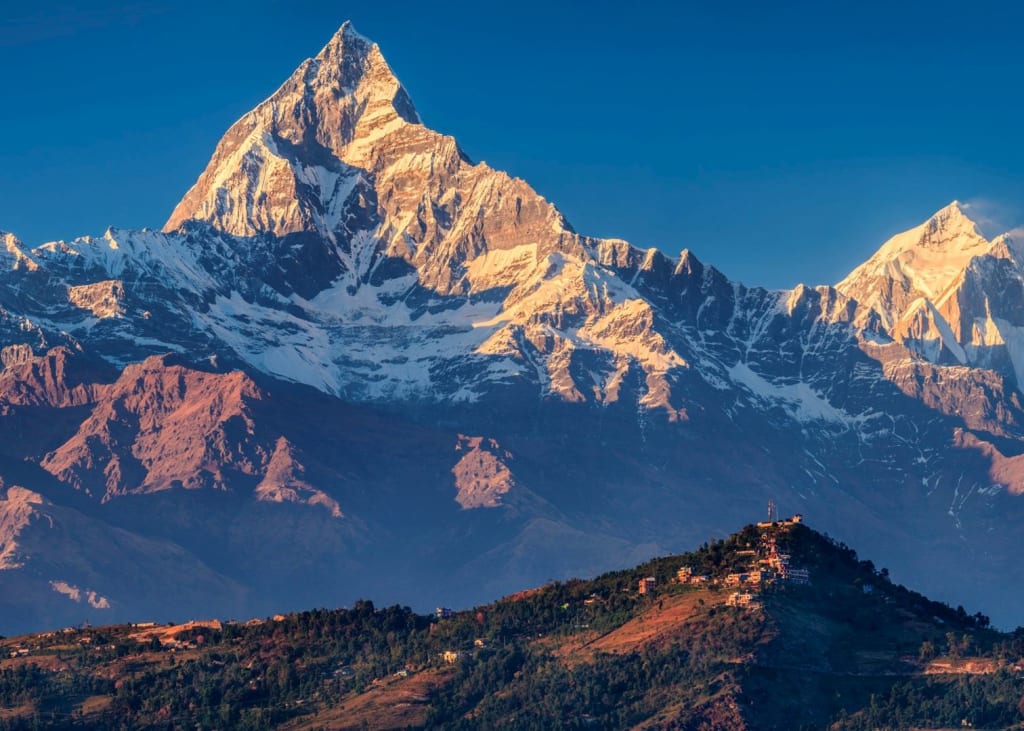
The Annapurna Circuit Trek is one of Nepal’s most iconic and diverse trekking routes, offering stunning mountain views, varied landscapes, and rich cultural experiences. From lush subtropical forests to alpine highlands and barren Tibetan plateaus, this trek showcases the best of the Himalayas. This Annapurna Circuit Trek guide will walk you through everything you need to know to plan and complete the journey successfully.
Why Choose the Annapurna Circuit Trek?
Unlike many Himalayan treks that follow a single valley, the Annapurna Circuit is a loop trek that showcases dramatic shifts in landscape, culture, and altitude.
Highlights include:
• Thorong La Pass (5,416 meters) – the highest point of the trek and one of the most scenic passes in the world.
• Diverse ecosystems – from rice paddies to alpine tundra.
• Cultural immersion – Buddhist monasteries, Hindu temples, and ethnic villages including Gurung, Thakali, and Tibetan communities.
• Hot springs and lakes – including Tatopani’s hot springs and Tilicho Lake if you take the side trek.
When to Trek the Annapurna Circuit
The best seasons for the Annapurna Circuit are:
• Autumn (September to November): Clear skies and great visibility make this the most popular time.
• Spring (March to May): Mild temperatures and blooming rhododendrons.
• Winter (December to February): Trekking is possible but Thorong La may be blocked by snow.
• Monsoon (June to August): Heavy rainfall and leeches make this season less desirable, although the Upper Mustang region remains drier.
Difficulty Level
This Annapurna Circuit Trek guide rates the trek as moderate to challenging. While it does not require mountaineering experience, the long duration, high altitude, and steep climbs can be demanding.
• Trek duration: 14 to 20 days
• Highest point: Thorong La Pass at 5,416 meters
• Daily hiking: 5 to 8 hours
Proper acclimatization is critical to avoid altitude sickness.
Required Permits
You’ll need two main permits:
• ACAP (Annapurna Conservation Area Permit): NPR 3,000 for foreigners
• TIMS (Trekkers' Information Management System): NPR 2,000
You can obtain both in Kathmandu or Pokhara. If you book through a trekking agency, they usually handle this for you.
Annapurna Circuit Trek Itinerary (Standard 16-Day Plan)
Here’s a sample itinerary covered in this Annapurna Circuit Trek guide:
Day 1: Drive from Kathmandu to Besisahar
Day 2: Trek to Bahundanda or Jagat
Day 3: Trek to Dharapani
Day 4: Trek to Chame
Day 5: Trek to Pisang
Day 6: Trek to Manang
Day 7: Acclimatization day in Manang
Day 8: Trek to Yak Kharka
Day 9: Trek to Thorong Phedi
Day 10: Cross Thorong La Pass and trek to Muktinath
Day 11: Trek to Kagbeni or Jomsom
Day 12: Trek or jeep ride to Tatopani
Day 13: Trek to Ghorepani
Day 14: Hike to Poon Hill and trek to Tadapani
Day 15: Trek to Ghandruk and drive to Pokhara
Day 16: Rest day or return to Kathmandu
Cultural Highlights of the Annapurna Circuit
One of the most rewarding aspects of the Annapurna Circuit is its deep cultural immersion. As you ascend through different climatic and geographic zones, you’ll also notice striking changes in the people, language, religion, and architecture.
Lower sections of the trail are inhabited by Hindu communities, primarily Brahmins and Chhetris. As you move higher toward Manang and Mustang, the culture shifts to Tibetan Buddhist influences. Villages like Pisang, Braga, and Manang offer prayer wheels, chortens, and centuries-old monasteries with stunning mountain backdrops.
If your timing aligns with local festivals such as Yartung or Losar, you’ll get a rare chance to witness traditional dances, music, and community rituals. These elements provide a meaningful layer of cultural richness that complements the natural beauty of the trek.
Environmental Considerations
The Annapurna region faces environmental pressure from increasing foot traffic. Trekkers are encouraged to adopt responsible travel habits. Here are a few simple practices:
• Avoid buying bottled water. Use purification tablets or carry a reusable filter bottle.
• Bring your own trash back to lower-altitude villages or cities.
• Stay in locally-owned teahouses to support the regional economy.
• Keep to marked trails to minimize erosion and damage to fragile ecosystems.
Conscious trekking helps preserve the route for future generations while respecting the environment and communities who call this region home.
Alternative Routes and Side Treks
While the classic circuit is still the main draw, trekkers looking for more adventure or fewer crowds can consider some excellent side trails:
• Tilicho Lake Side Trek: A high-altitude glacial lake often added before crossing Thorong La Pass.
• Naar-Pho Valley: A remote and culturally rich route that reconnects to the circuit near Manang.
• Poon Hill Extension: For those who want to end the trek with panoramic sunrise views over the Annapurna and Dhaulagiri ranges.
These options allow you to tailor the trek to your fitness, interests, and available time, making the Annapurna Circuit one of the most flexible and rewarding trekking experiences in Nepal.
Optional side treks include Tilicho Lake (one of the highest lakes in the world) and Ice Lake.
Accommodation and Food
Accommodation along the Annapurna Circuit is based on teahouses, which are local lodges providing rooms and meals. Most rooms are simple with twin beds, shared bathrooms, and limited hot water. Prices range from NPR 500 to NPR 1,500 per night depending on the location and season.
Food is plentiful and includes both local and international dishes. Dal Bhat (rice and lentils), fried noodles, pancakes, pasta, soups, and tea are standard fare.
Internet and Charging Facilities
• Wi-Fi is available in most villages for a small fee.
• Charging electronics costs extra, so carry a power bank or solar charger.
• Local SIM cards (NTC or Ncell) may work in lower villages but have limited signal higher up.
Hiring a Porter or Guide
Though the Annapurna Circuit can be done independently, hiring a porter and guide is highly recommended for:
• Navigating alternate routes
• Managing logistics and permits
• Ensuring safety and cultural insight
Expect to pay around USD 25 to 35 per day for a guide and USD 18 to 25 per day for a porter.
Travel Insurance
Make sure your insurance covers high-altitude trekking (above 5,000 meters) and emergency evacuation. Helicopter rescues are expensive and commonly needed in altitude-related emergencies.
Packing List Essentials
Here are the must-have items for your Annapurna trek:
• Sturdy hiking boots
• Warm sleeping bag (rated for -10°C or colder)
• Layered clothing (base layer, fleece, down jacket)
• Trekking poles
• Reusable water bottles and purification tablets
• First-aid kit
• Sunscreen, sunglasses, and hat
• Passport-sized photos for permits
Final Thoughts
The Annapurna Circuit Trek remains one of the greatest long-distance treks in the world. With its diverse scenery, cultural richness, and high mountain passes, it offers an unmatched Himalayan experience. This Annapurna Circuit Trek guide equips you with all the essential information to plan your journey safely and enjoyably.
Whether you're trekking solo or with a group, the Annapurna Circuit is a trail that rewards every step with incredible memories.
________________________________________
Meta Title: Annapurna Circuit Trek Guide: Everything You Need to Know
Meta Description: Planning the Annapurna Circuit Trek? Our complete guide includes itinerary, permits, costs, difficulty level, and expert tips for a successful Himalayan adventure.
Let me know if you'd like a downloadable checklist, image suggestions, or internal link recommendations for this blog.
About the Creator
Enjoyed the story? Support the Creator.
Subscribe for free to receive all their stories in your feed.
Comments
There are no comments for this story
Be the first to respond and start the conversation.