
American Animals New Jersey and New Mexico
Wildlife of the US states of New Jersey and New Mexico

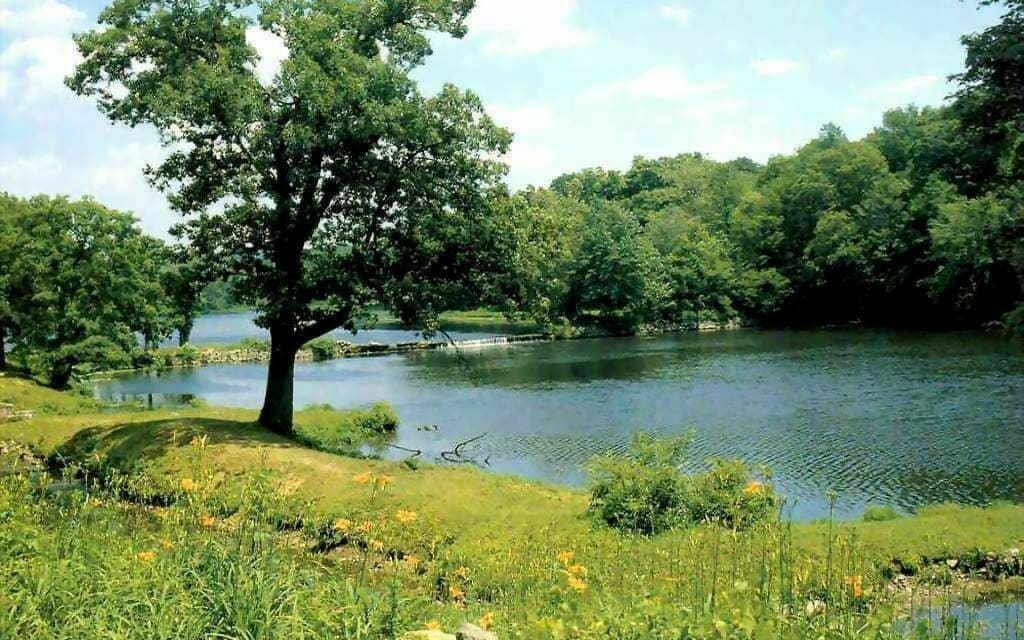
New Jersey Wildlife
One of the best places to see wildlife in New Jersey is in The Pine Barren that are also referred to as The Pinelands. Visitors here can explore old abandoned towns and hike the many wooded trails. Enjoy nature and meet up with the wildlife that make their home here. You can enjoy hiking, cycling, canoeing, boating, fishing, hunting, and horseback riding.
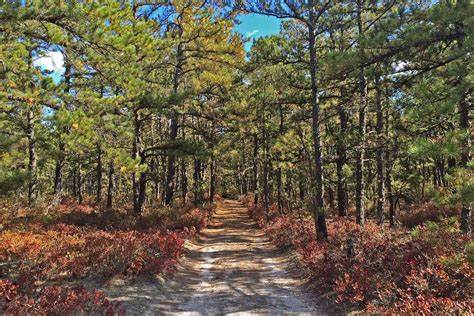
There are many waterways among them the Mullica River and two tributaries, the Batso and Wading Rivers. You'll find sandy roads, and cedar swamps and trails long and short, The Pine Barrens comprises a major part of the Atlantic coastal pine barren ecoregion.
Let's take a look at the wildlife that makes their home here. Among the animals are 34 species of mammals, 36 species of fish, 24 amphibians, 30 reptiles, 144 birds both year-round and migratory, and over 10,000 invertebrate species. Of all these animals, 36 species are currently threatened or endangered.
Mammals
Among the large mammals are white-tailed deer, coyotes, the rare bobcats, beavers, and reclusive river otters.
Also found here are the red and gray fox, mink, long-tailed weasel, southern bog lemming, and eight species of bats, as well as raccoon, muskrat, squirrels, chipmunks, voles, and mice.
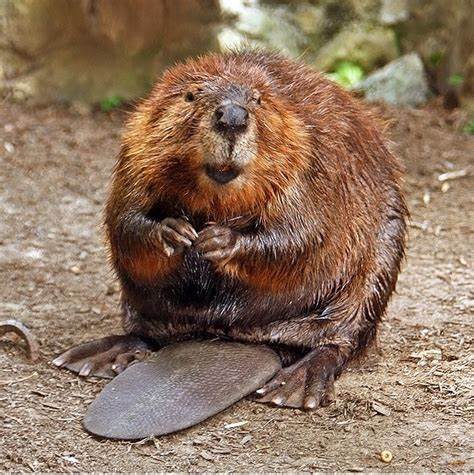
Beavers are found along streams and small bodies of water. They build dams and lodges of sticks and mud. They've brown fur, a paddle-like tail, and webbed feet.
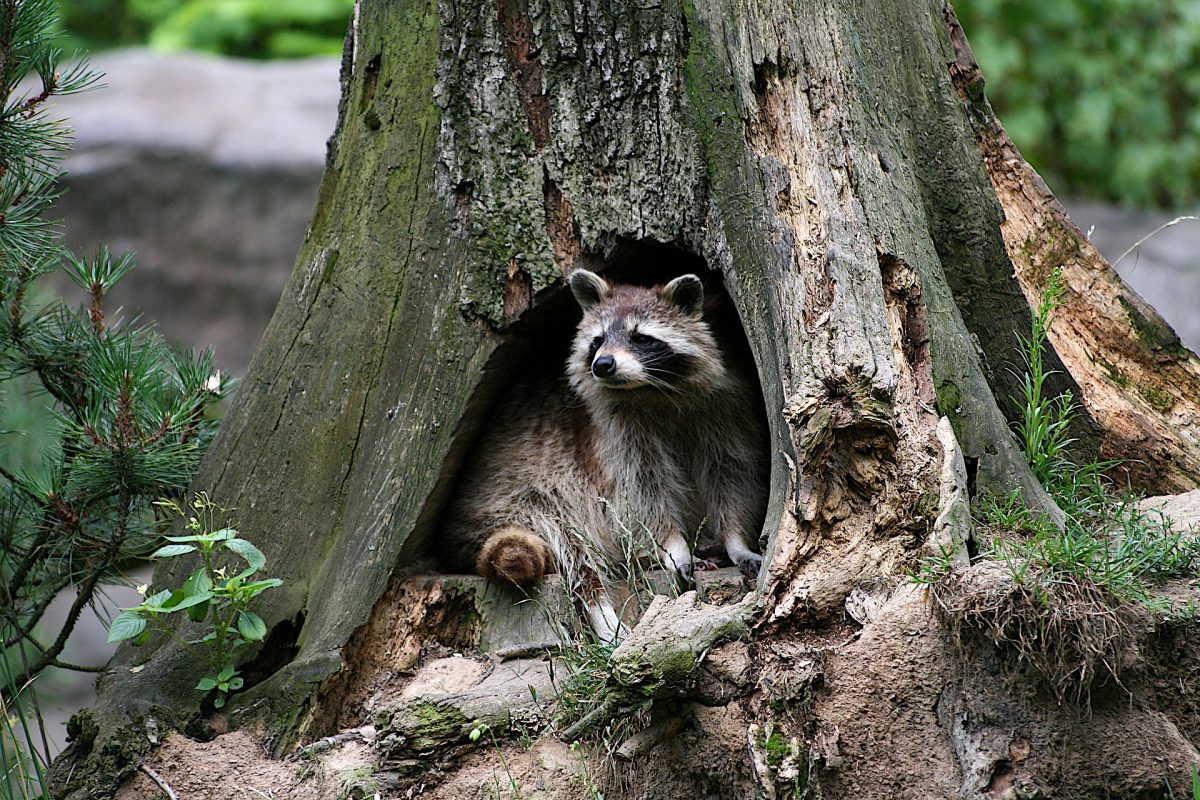
Raccoons with black and white fur that look like they have masks across their eyes. They are common all over the Pine Barrens.
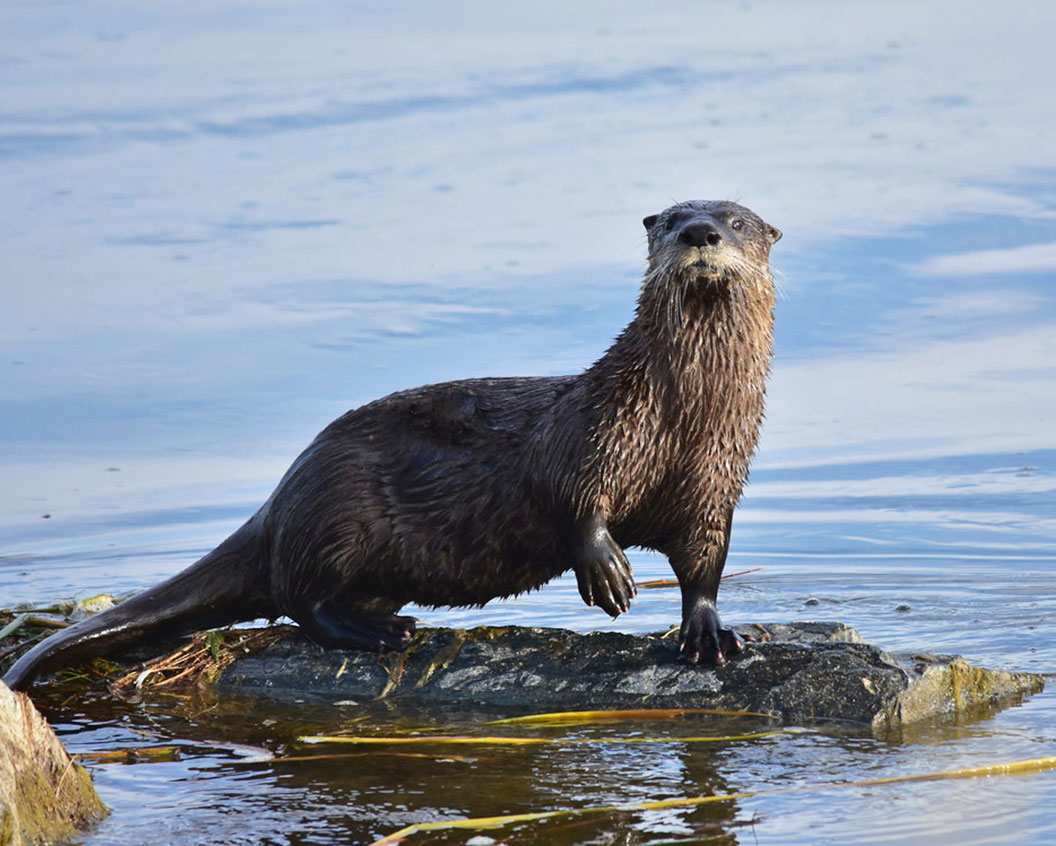
River otters live in the Pine Barrens streams and wetlands. They enjoy the waters very much.
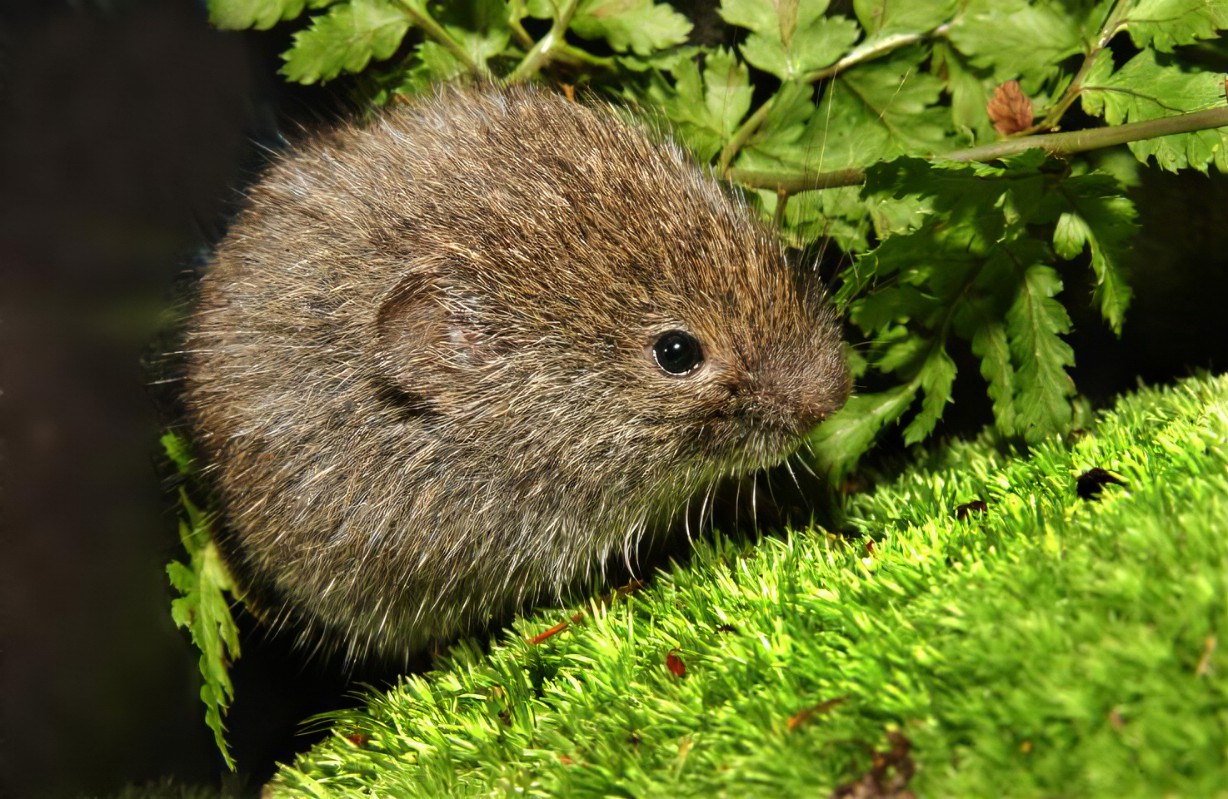
Southern Bog Lemming is mouse-like with brownish-gray fur. They enjoy the open lowland bogs.
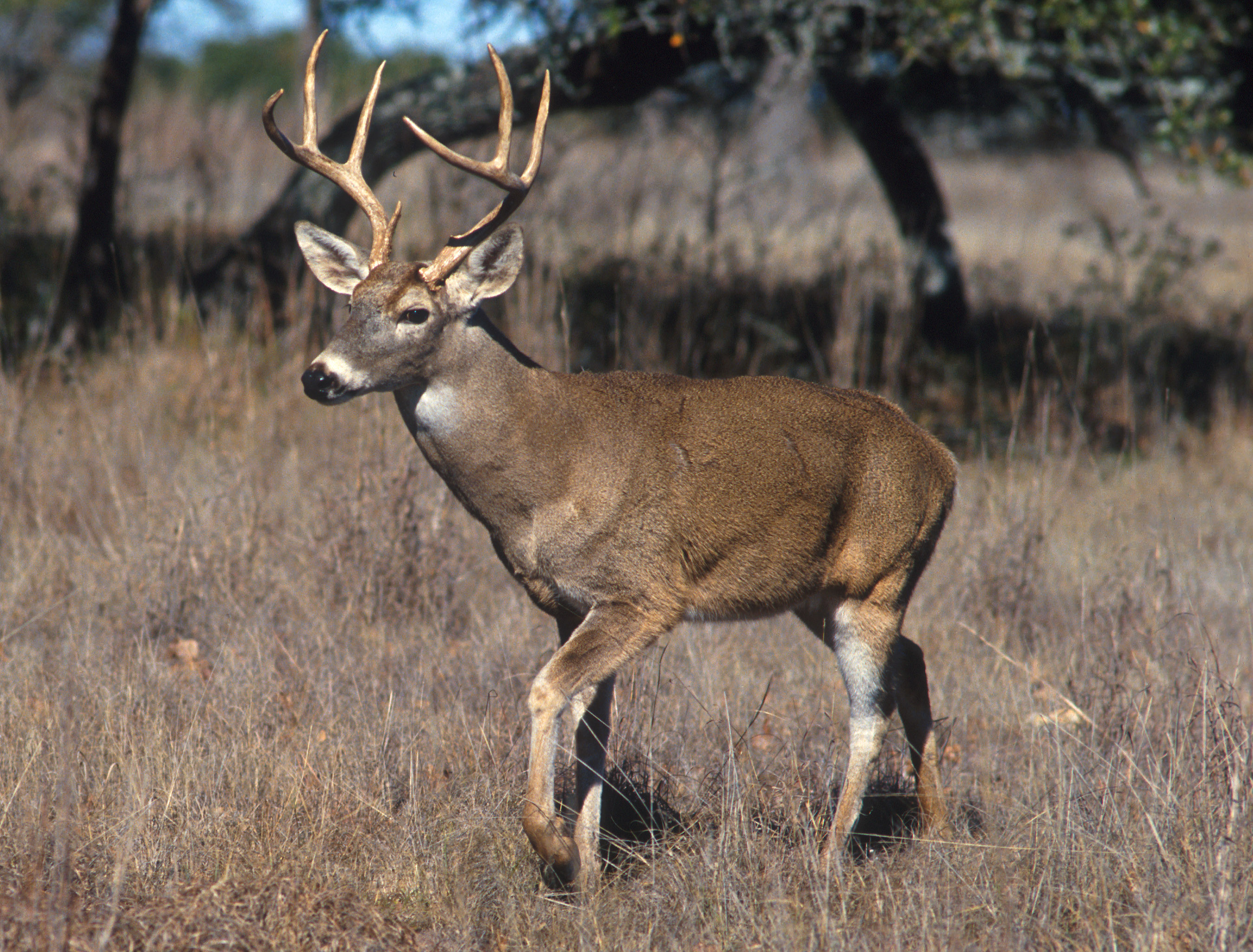
White-Tail Deer have reddish fur in summer and grayish in winter. They can be found in the forests.
Birds
You can find about 144 bird species here. The Pine Barrens is important to migrating and wintering birds that come here to enjoy the forests and swamps. Among them are wood warblers and other songbirds. The Pine Barren provide an important area for the birds for breeding, feeding, nesting, and resting,
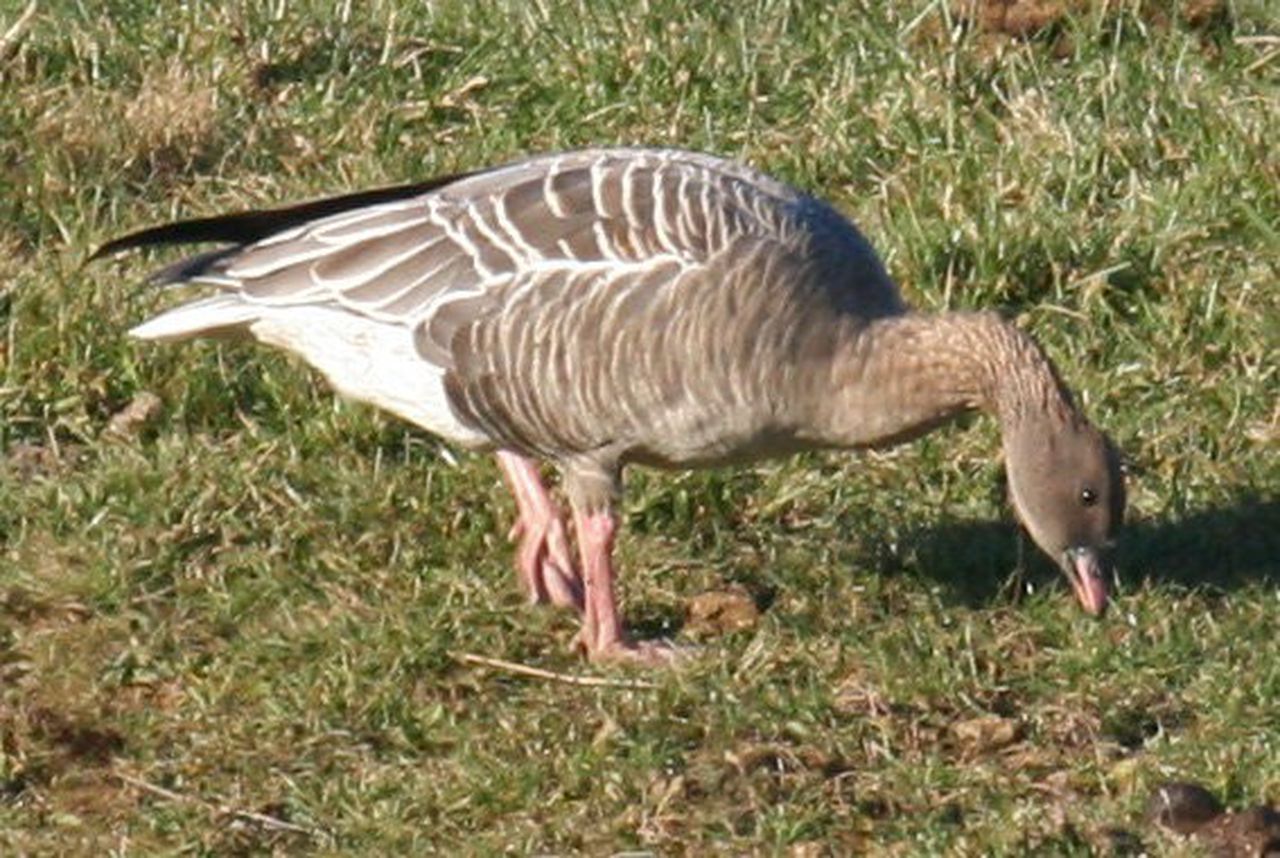
There are a lot of waterfowl like ducks and geese.
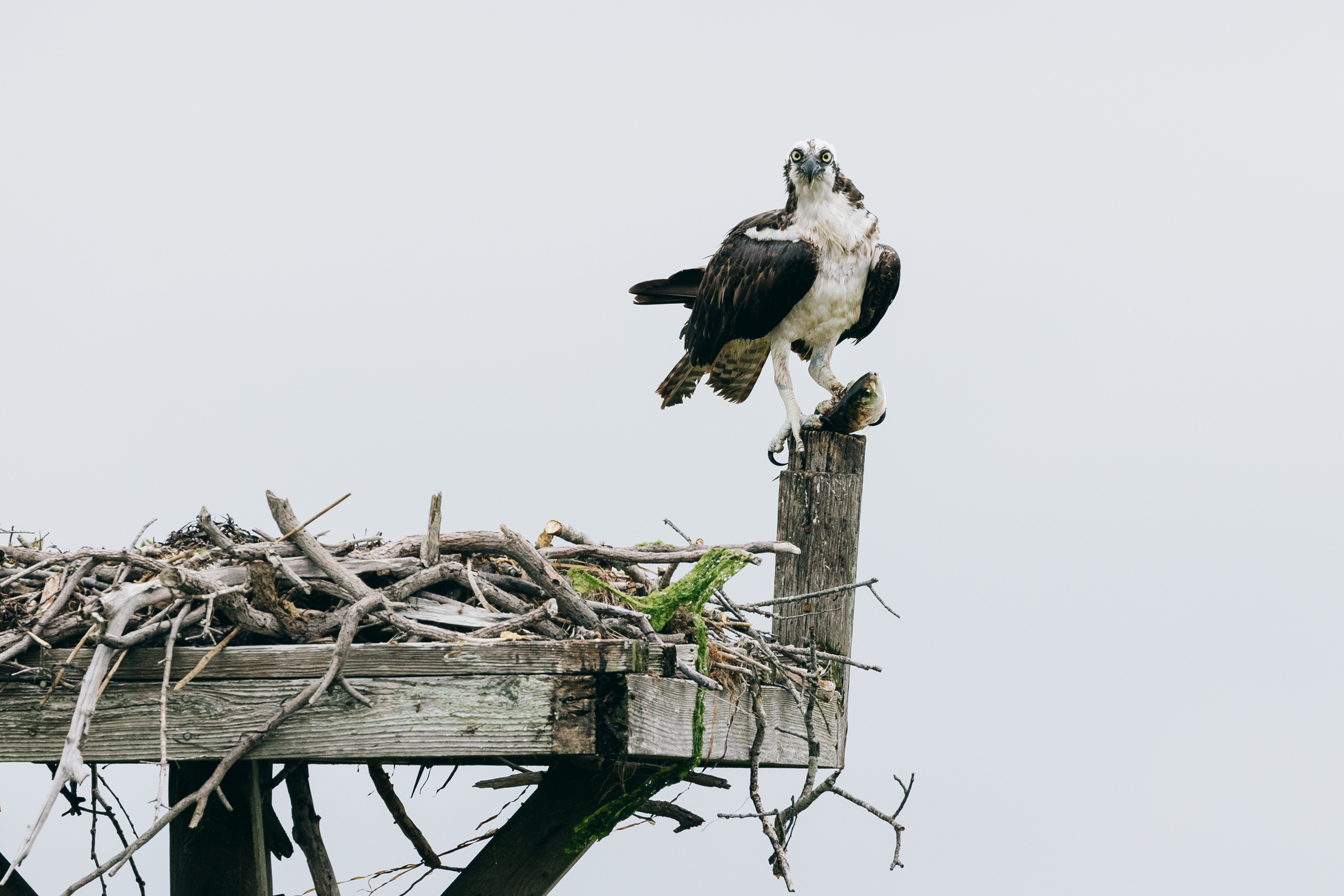
Magnificent raptors like the bald eagle, redshouldered hawk, and osprey.
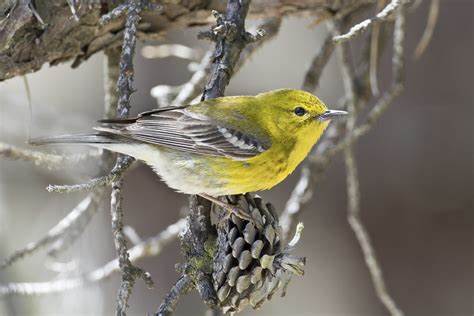
You'll also find the tine Pine Warbler here. A cute yellowish bird that makes its home high up in pine trees.
Amphibians
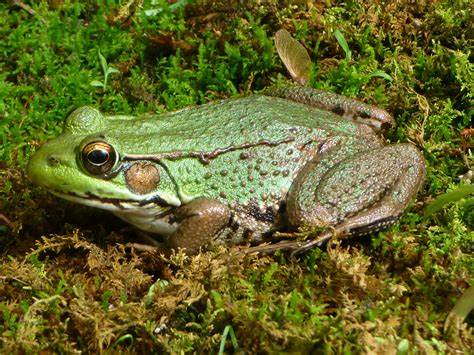
Among the amphibians found here are many different frogs like Carpenter frogs, the Green frog, and the Southern Leopard frog.
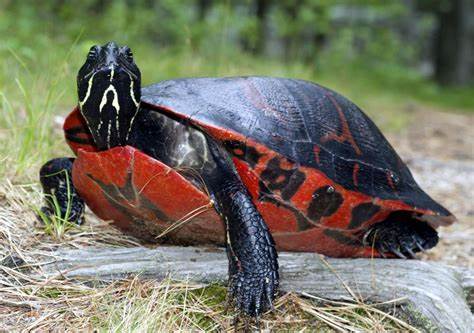
Turtles you'll find here include the Red-bellied Turtle, Musk Turtle, Eastern Painted Turtle, Eastern Mud Turtle, Eastern Box Turtle, and the Common Snapping Turtle.
Fish
The are a limited number of fish species. The species found here are Banded Sunfish, Blackbanded Sunfish, Pirate Perch, Mud Sunfish, Swamp Darter, Tessellated Darter Brown Bullhead Yellow Bullhead, American Eel, Bluespotted Sunfish, Ironcolor shiner, Eastern Mudminnow, Redfin Pickerel, Chain Pickerel, Creek Chubsucker and Tadpole Madtom.
Wildlife of New Mexico
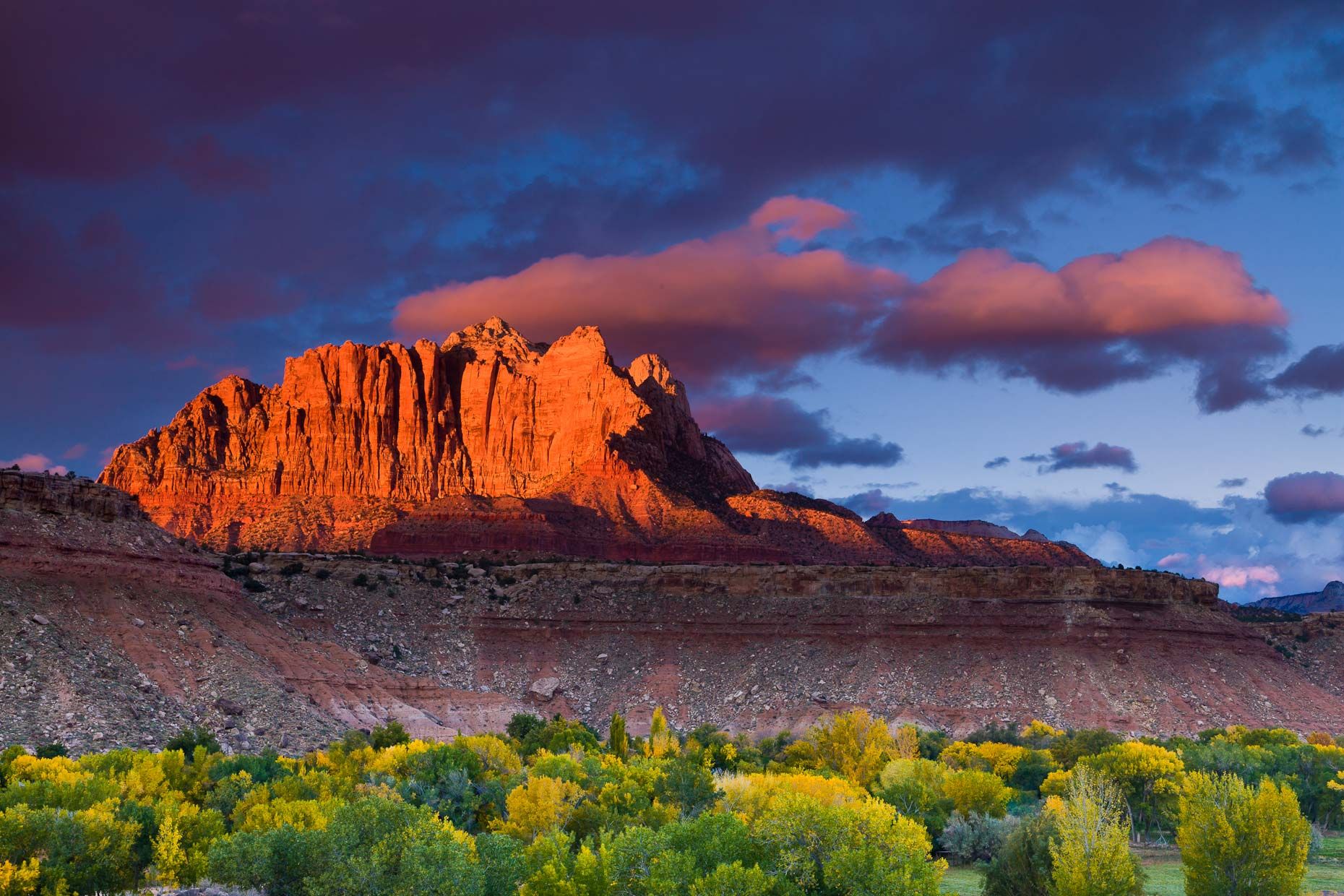
The US state of New Mexico has mountains, forests, deserts, and rivers. There are 169 mammal species, 110 reptile species, 27 amphibian species, and 542 species of birds in the state.
Among the most common wild animals seen in the state are black bears, bullsnakes, desert cottontails, elk, chaparral birds, bighorn sheep, and rattlesnakes.
Official State Mammal
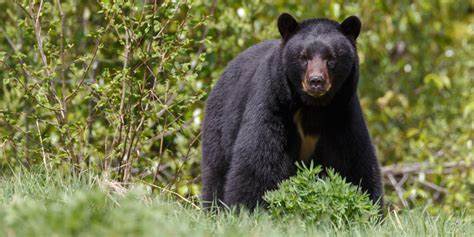
Black Bear
Official State Bird
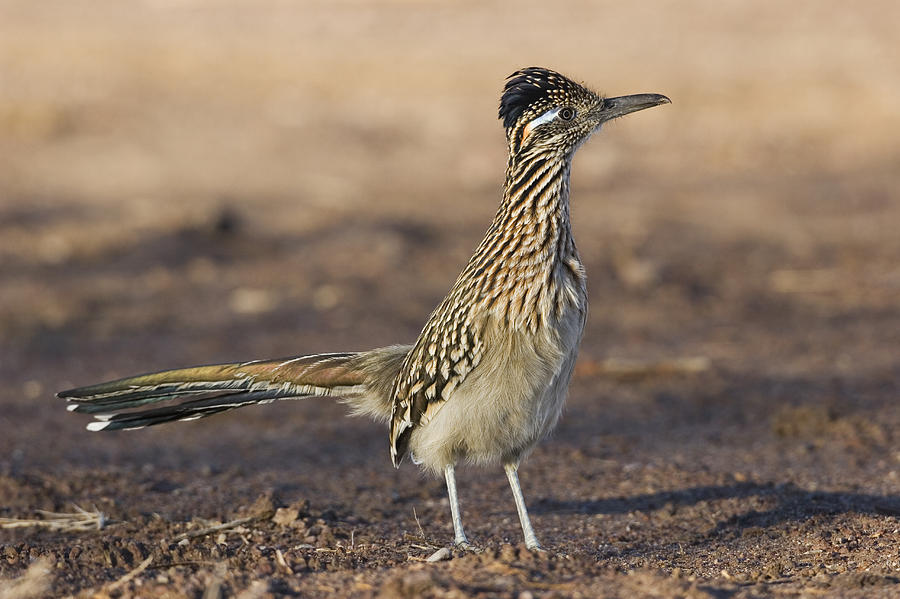
Chaparral Bird/Roadrunner
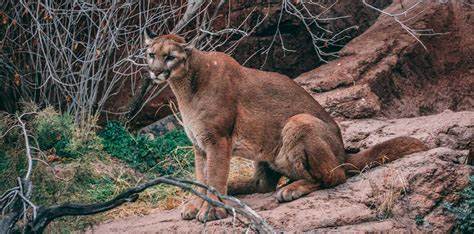
The New Mexico desert has many wild animals like mountain lions, mule deer, prairie dogs, peccaries, and rattlesnakes. These animals can endure the desert heat during the day and the freezing temperatures during the night.
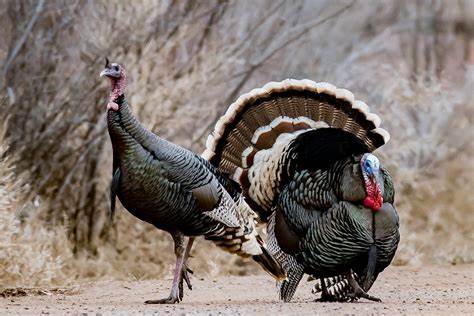
In the mountain forests, you can see elk, deer, black bears, turkeys, and hawks.
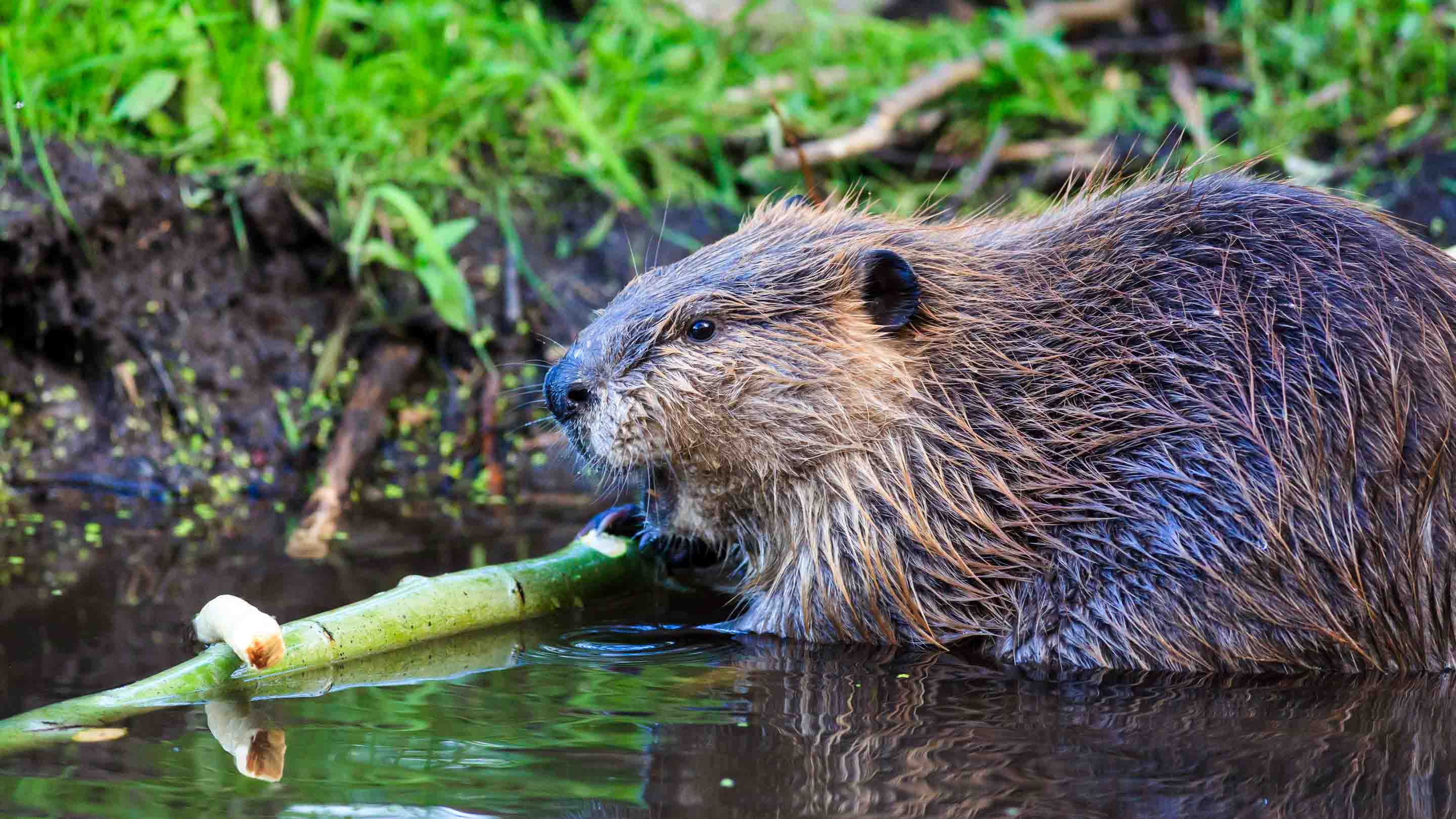
In and near the rivers are eagles, dusky grouse, elk, snapping turtles, beavers, and belted kingfishers. The usual river inhabitants are cutthroat trout, largemouth bass, green-throat darters, and longnose gar.
Places to see animals
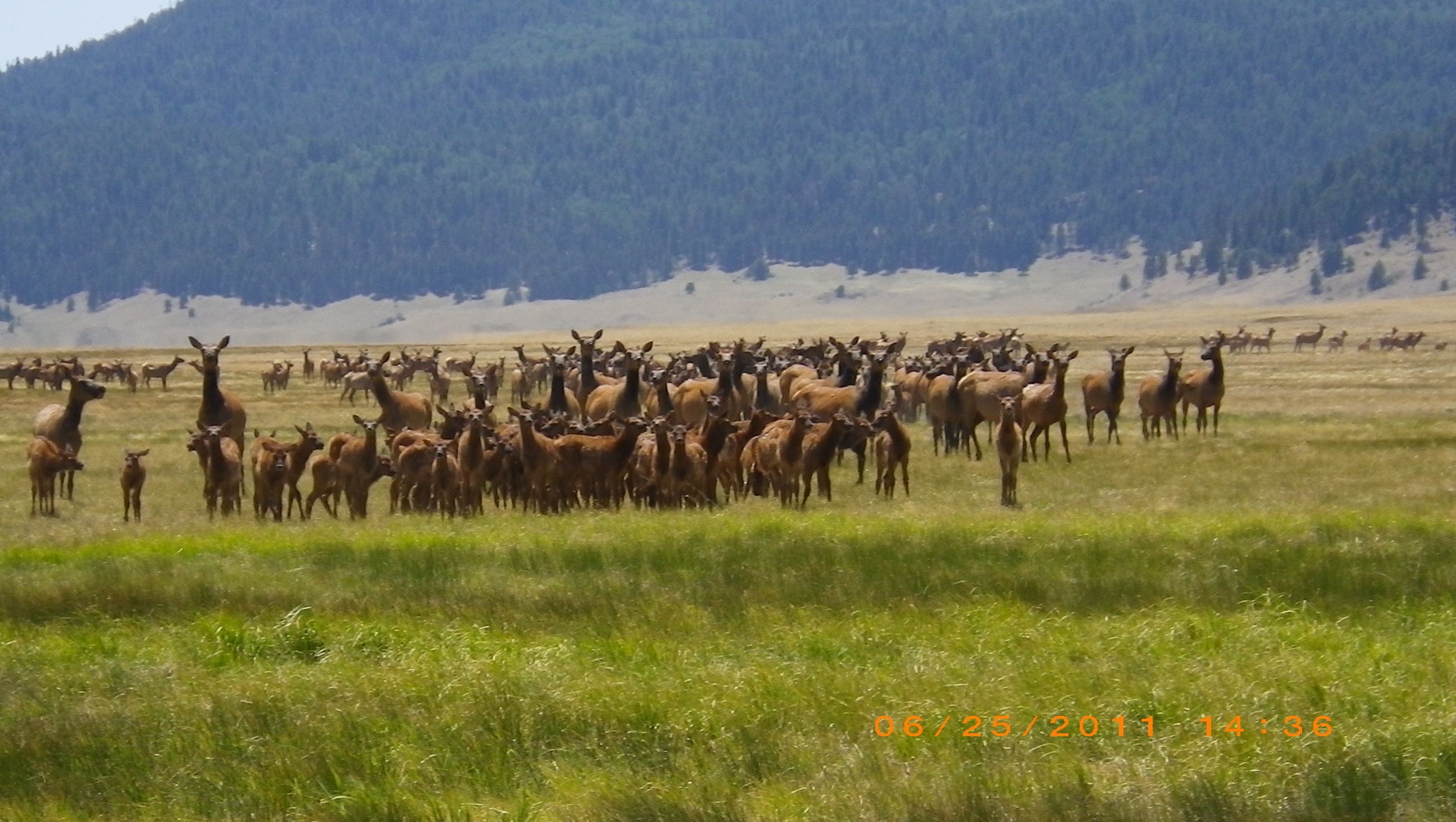
The Valles Caldera Nature Reserve is home to the second-largest elk population in New Mexico. Other residents here are Gunnison prairie dogs, coyotes, badgers, black bears, Eastern mountain bluebirds, and golden eagles.
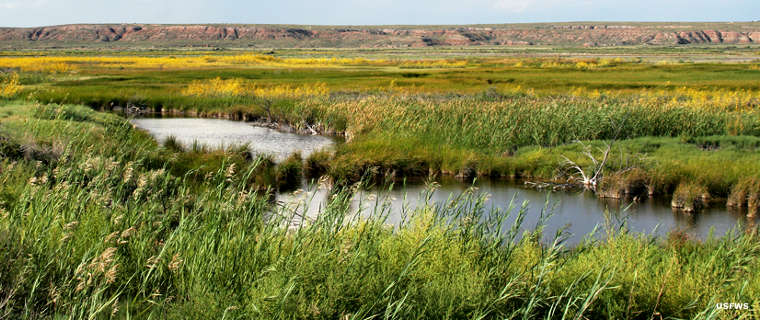
Bitter Lake National Wildlife Refuge is an ecological crossroad where the Chihuahuan Desert meets short grass prairie, the Pecos River, and the Roswell Artesian Basin. Here wetland animals interact with desert creatures. The refuge has 257 species of birds, 59 species of mammals, more than 50 species of reptiles and amphibians, 24 types of fish, and more than 100 species of dragonflies and damselflies are found in this oasis.
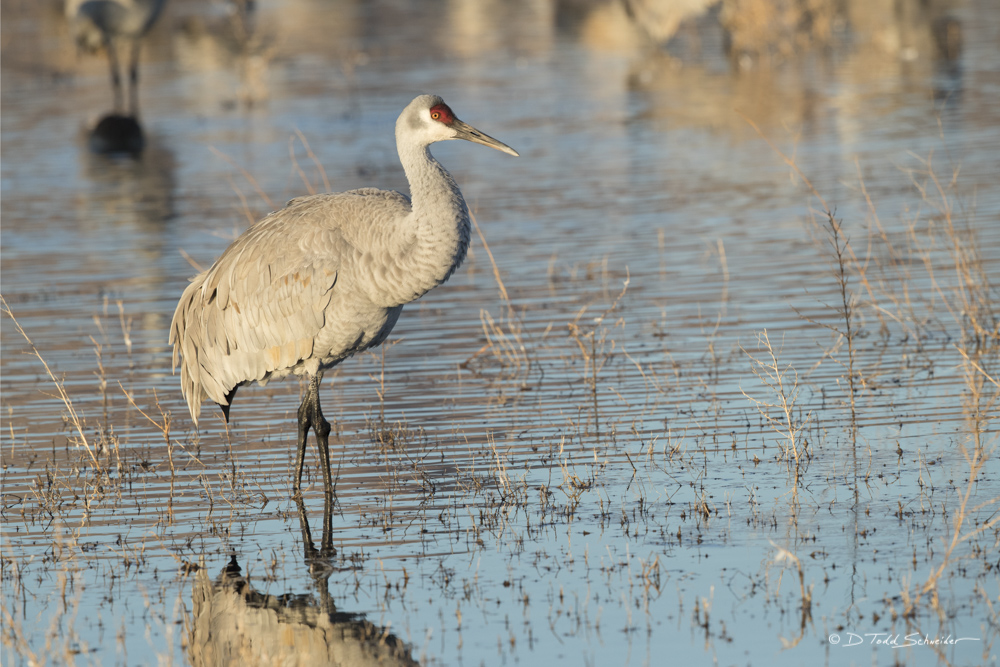
In the wetlands, you can find migrating lesser sandhill cranes, Ross and snow geese, and about twenty duck species, among them northern pintails, mallards, canvasbacks, gadwalls, northern shovelers, and four species of teal; cinnamon, American, green, and blue-wing.
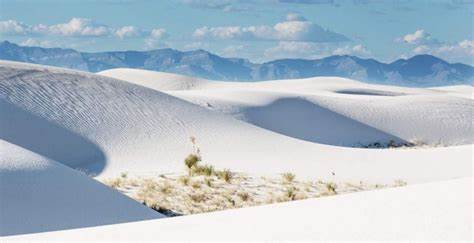
White Sands National Park is home to mammals, reptiles, amphibians, birds, fish, and invertebrates. There are seven species of amphibians and 33 species of reptiles (turtles, lizards. and snakes). The park has one species of salamander (barred tiger), three species of toads (Great Plains, western, and red-spotted), and three species of spadefoots (Couch's, Mexican, and plains). Among the birds here are wrens, mockingbirds, larks, and ravens and larger species like roadrunners and raptors.
The White Sands pupfish is the only species endemic to the Tularosa Basin and the only fish found in White Sands National Park. The fish is rare and has dark eyes and silver scales.
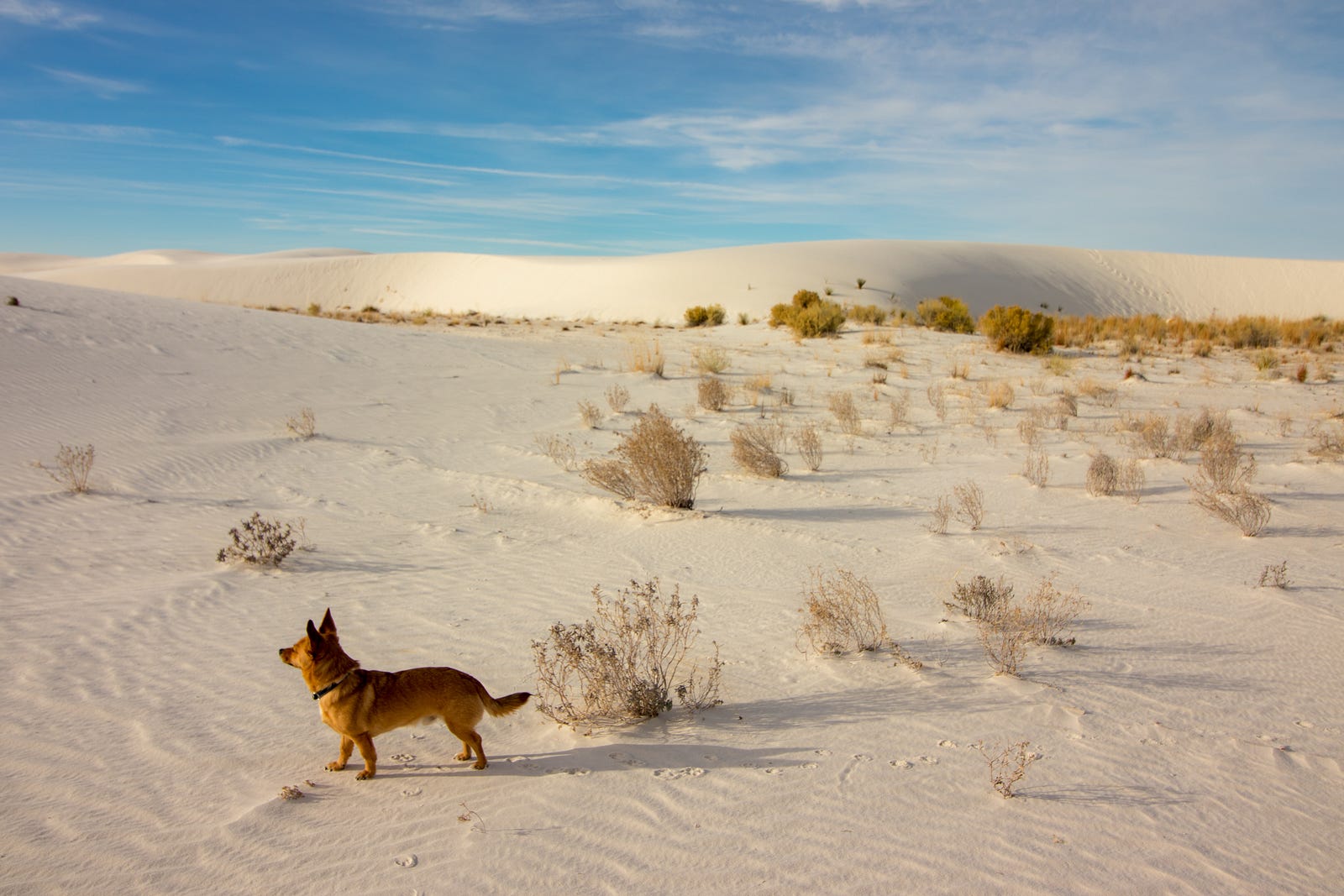
Mammals at White Sands include foxes, rodents, coyotes, bobcats, badgers, rabbits, and porcupines.
Endangered Animals
Rio Grande Silvery minnow
White-sided Jackrabbit
Chiricahua leopard frog
Bendire’s thrasher
About the Creator
Rasma Raisters
My passions are writing and creating poetry. I write for several sites online and have four themed blogs on Wordpress. Please follow me on Twitter.
Enjoyed the story? Support the Creator.
Subscribe for free to receive all their stories in your feed. You could also become a paid subscriber, letting them know you appreciate their work.
Comments
There are no comments for this story
Be the first to respond and start the conversation.