
Amazing Astronomical Events That Will Happen In 2023
astronomocal phenomenon in 2023
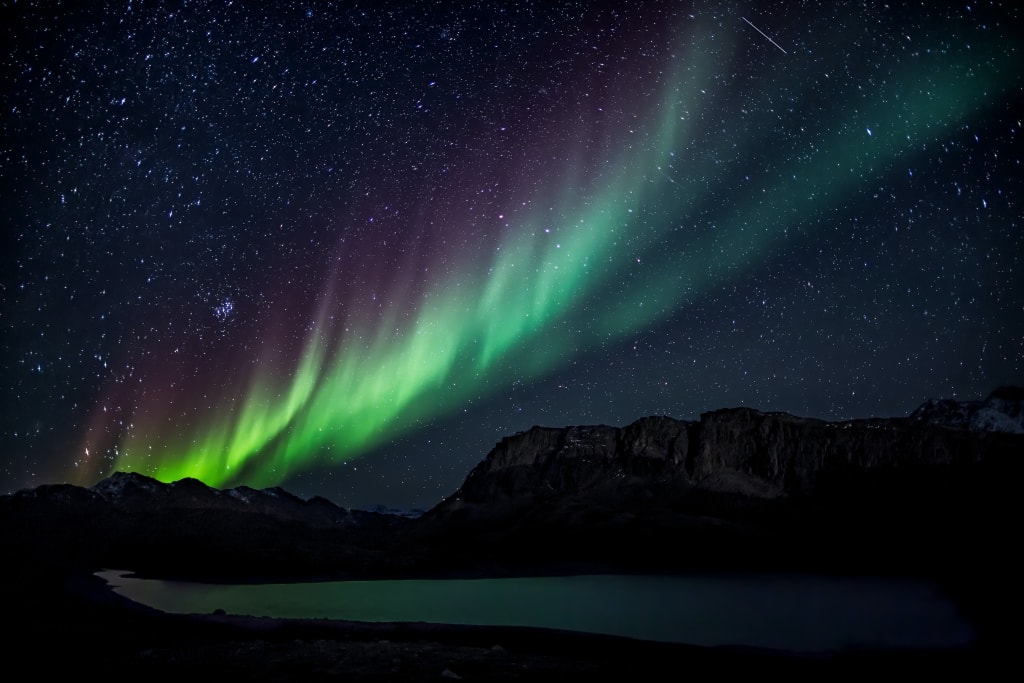
Get ready for an exciting year in astronomy as we anticipate an array of celestial marvels in 2023. Radiant meteor showers, breathtaking eclipses, and close encounters with planets are on the horizon. Prepare your telescopes and mark your calendars as we reveal the much-anticipated astronomical events for the year.
January 3rd to 4th - Quadrantids Meteor Shower: We kick off the year with the magnificent Quadrantids meteor shower. Ensure you find a dark location after midnight and point your telescopes towards the constellation Bootes.
March 20th - March Equinox: On this day, the sun will shine directly on the equator, heralding the March Equinox. It will bring almost equal amounts of daylight and nighttime worldwide, marking the first day of spring in the Northern Hemisphere and the first day of fall in the Southern Hemisphere.
April 20th - Hybrid Solar Eclipse: After nearly a decade, we're in for a rare treat: a hybrid solar eclipse. This intriguing event occurs when the moon's proximity to Earth causes its shadow to sweep across the planet's surface. Some regions will experience a total eclipse, while others will witness an annular eclipse. This phenomenon will be visible primarily in Indonesia and Australia.
April 22nd to 23rd - Lyrids Meteor Shower: Astronomy enthusiasts will be treated to the Lyrids meteor shower, producing approximately 20 meteors per hour at its peak. Invite your friends and family to a dark location after midnight, and gaze at the constellation Lyra to witness this celestial spectacle.
May 5th - Penumbral Lunar Eclipse: Another eclipse is on the horizon, this time a penumbral lunar eclipse. It occurs when Earth's outer shadow partially covers the moon's face, causing it to appear slightly darker. This captivating phenomenon will be observable across Asia, Australia, parts of Eastern Europe, and Eastern Africa.
May 6th to 7th - Eta Aquariids Meteor Shower: Less than a month later, it's time for the Eta Aquariids meteor shower to put on a breathtaking show. With the potential to produce up to 60 meteors per hour at its peak, this shower is created by dust particles left behind by the renowned Halley's Comet.
June 4th - Venus Close Approach: Venus enthusiasts are in for a delightful experience as the planet reaches its greatest Eastern elongation of 45.4 degrees from the Sun, making it the ideal time to observe Venus at its highest point above the horizon.
June 21st - June Solstice: June Solstice welcomes the start of summer in the Northern Hemisphere and winter in the Southern Hemisphere as the North Pole tilts towards the sun.
July 3rd - First Super Moon: The year's first Super Moon arrives as the moon approaches its closest point to Earth. This is just the beginning, as 2023 will bring four Super Moons in total.
July 28th to 29th - Delta Aquariids Meteor Shower: The Delta Aquariids meteor shower promises up to 20 meteors per hour, visible after midnight in the Aquarius constellation. However, be mindful of the nearly full moon potentially obscuring fainter meteors.
August 1st - Sturgeon Moon: The second of four Super Moons graces the night sky. Early American tribes named it the Sturgeon Moon, as it coincided with the best time to catch large sturgeon fish in the Great Lakes. The moon will be near its closest approach to Earth, appearing slightly larger and brighter than a typical full moon.
August 12th to 13th - Perseid Meteor Shower: The Perseid meteor shower, famous for its numerous bright meteors, is a highly anticipated event. With the potential to see up to 60 meteors per hour, they will predominantly emanate from the constellation Perseus after midnight.
August 27th - Saturn Close Approach: Saturn enthusiasts can rejoice as the ringed planet approaches its closest point to Earth, providing an ideal opportunity to view and photograph Saturn, along with its stunning rings and moons.
August 31st - Blue Super Moon: August brings a special treat for moon enthusiasts with the second Super Moon of the month. Although it won't appear blue, it will shine brightly, illuminating the evening sky.
September 19th - Neptune Close Approach: Get ready for the closest approach of Neptune, the farthest planet in our solar system. While it may appear as a mere blue dot in the sky due to its extreme distance, a powerful telescope may reveal its features.
September 23rd - September Equinox: The September Equinox brings nearly equal day and night lengths globally, marking the start of fall and spring in different parts of the world.
September 29th - Final Super Moon: Don't miss the fourth and final Super Moon of the year. It's your last chance in 2023 to witness this spectacular lunar display.
October 7th - Draconids Meteor Shower: The Draconids meteor shower, producing around 10 meteors per hour, will be visible in the constellation Draco just after sunset.
October 14th - Annular Solar Eclipse: Arguably one of the most thrilling eclipses, the annular solar eclipse, or "ring of fire," occurs as the moon passes between Earth and the Sun at its farthest point from our planet. The eclipse's path starts in the Pacific Ocean and traverses the southwestern United States, Mexico, and Brazil, with Northern parts of America experiencing a partial eclipse.
October 28th - Partial Lunar Eclipse: Another partial lunar eclipse will dim the moon slightly, observable throughout Europe, Asia, Africa, and Western Australia.
November 4th to 5th - Taurids Meteor Shower: The long-running Taurids meteor shower will showcase 5 to 10 meteors per hour in the constellation Taurus, visible from midnight until morning.
November 13th - Uranus Close Approach: The second farthest planet from the Sun, Uranus, will make its closest approach to Earth, presenting an opportunity to observe its brilliance.
November 17th to 18th - Leonids Meteor Shower: The Leonids meteor shower, associated with the comet Temple Tuttle, is known for its spectacular meteor storms that occur approximately every 33 years. Expect around 15 of the fastest and most colorful fireballs per hour in the constellation Leo.
December 13th to 14th - Geminids Meteor Shower: Behold the king of meteor showers, the Geminids, renowned for producing up to 120 multi-colored meteors per hour at their peak. Perfect conditions await for viewing these stunning meteors in the constellation Gemini due to the dark sky provided by the new moon.
December 21st to 22nd - Ursids Meteor Shower: The year culminates with the Ursids meteor shower, a minor event offering 5 to 10 meteors per hour in the constellation Ursa Minor.
December 22nd - December Solstice: The December Solstice marks the beginning of winter and summer in various regions as the South Pole tilts towards the sun.
December 31st - Happy New Year: As our planet completes another orbit around the Sun, we celebrate the arrival of the New Year on our spaceship, planet Earth.
Get ready for a stellar journey through the celestial wonders of 2023!
About the Creator
Enjoyed the story? Support the Creator.
Subscribe for free to receive all their stories in your feed.
Comments
There are no comments for this story
Be the first to respond and start the conversation.