
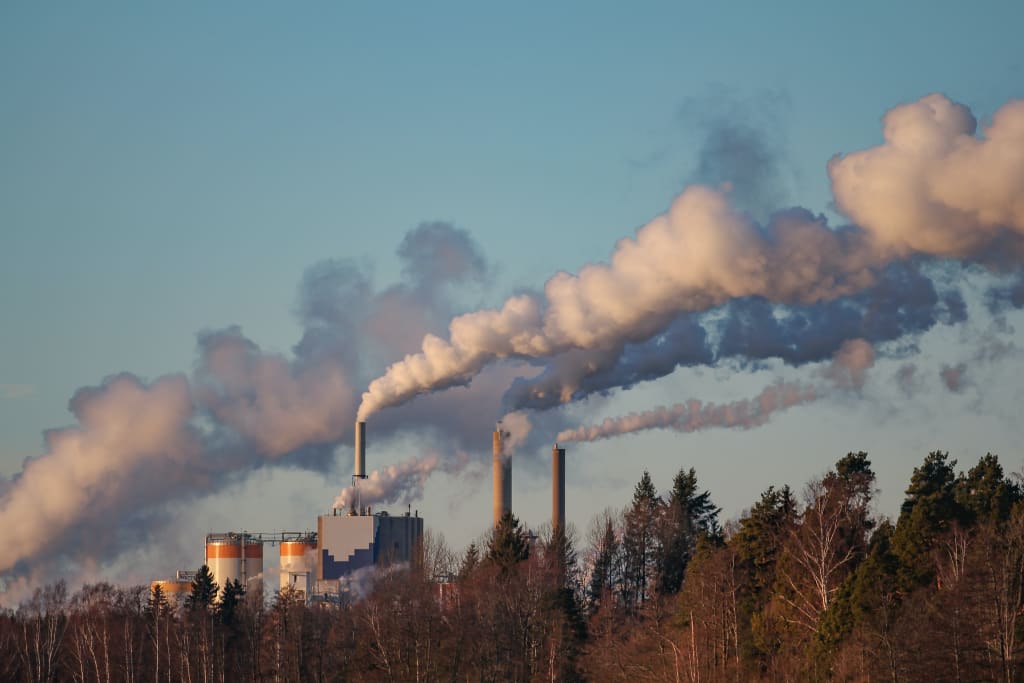
Air pollution has emerged as a significant global concern due to its detrimental effects on human health, the environment, and the planet as a whole. The continuous release of harmful substances into the atmosphere has resulted in the degradation of air quality, posing a severe threat to all living organisms. This essay aims to explore the causes of air pollution and propose potential solutions to mitigate its adverse impacts.
Causes of Air Pollution:
Industrial Emissions: Industries are one of the primary contributors to air pollution. Combustion processes, chemical reactions, and the release of particulate matter from factories emit various pollutants such as sulfur dioxide (SO2), nitrogen oxides (NOx), volatile organic compounds (VOCs), and particulate matter (PM).
Vehicular Emissions: The rapid increase in the number of vehicles has led to a substantial rise in air pollution. Automobiles release pollutants like carbon monoxide (CO), nitrogen dioxide (NO2), and particulate matter, which significantly contribute to poor air quality, especially in urban areas with heavy traffic congestion.
Burning of Fossil Fuels: The burning of fossil fuels for energy production, including coal, oil, and natural gas, releases copious amounts of pollutants into the atmosphere. These activities contribute to high levels of greenhouse gases like carbon dioxide (CO2) and methane (CH4), leading to global warming and climate change.
Agricultural Activities: Agricultural practices, such as the use of chemical fertilizers, pesticides, and burning crop residues, release harmful pollutants into the air. Ammonia (NH3) emissions from livestock waste and rice paddy fields also contribute to air pollution.
Residential and Commercial Emissions: The burning of solid fuels, such as wood and coal, for cooking and heating in households, particularly in developing countries, contributes to indoor and outdoor air pollution. Additionally, emissions from commercial establishments, including restaurants and bakeries, also add to the pollution burden.
Solutions to Air Pollution:
Transition to Clean Energy Sources: Governments and industries should prioritize the shift from fossil fuels to cleaner and renewable energy sources such as solar, wind, hydroelectric, and geothermal power. Promoting the use of electric vehicles and investing in sustainable public transportation systems can also significantly reduce vehicular emissions.
Stringent Industrial Regulations: Governments should implement and enforce strict regulations on industries to control and monitor their emissions. The installation of pollution control devices, the adoption of cleaner production techniques, and the promotion of circular economy principles can help minimize industrial pollution.
Promote Sustainable Agriculture: Encouraging sustainable agricultural practices such as organic farming, integrated pest management, and efficient use of fertilizers can reduce air pollution from agricultural activities. Additionally, promoting alternative methods for managing crop residues, such as composting and biomass utilization, can help minimize the burning of agricultural waste.
Awareness and Education: Raising awareness among the general public about the causes and impacts of air pollution is crucial. Educational campaigns can promote individual actions like reducing vehicle usage, conserving energy, and adopting eco-friendly habits. Citizens should be encouraged to participate in collective initiatives such as tree plantation drives and community clean-up campaigns.
International Cooperation: Addressing air pollution requires international collaboration. Governments, organizations, and individuals must work together to share knowledge, technologies, and best practices to combat air pollution on a global scale. Initiatives such as international agreements, research collaborations, and funding support can facilitate effective pollution control measures.
Conclusion:
Air pollution poses a significant threat to human health, ecosystems, and the planet. By identifying the causes and implementing effective solutions, we can work towards improving air quality and creating a sustainable future. It is crucial for governments, industries, communities, and individuals to collaborate and take proactive measures to
About the Creator
Enjoyed the story? Support the Creator.
Subscribe for free to receive all their stories in your feed.
Comments
There are no comments for this story
Be the first to respond and start the conversation.