
Advanced Thermochemical Valorization of Agricultural Residues
Biomass Resource Utilization
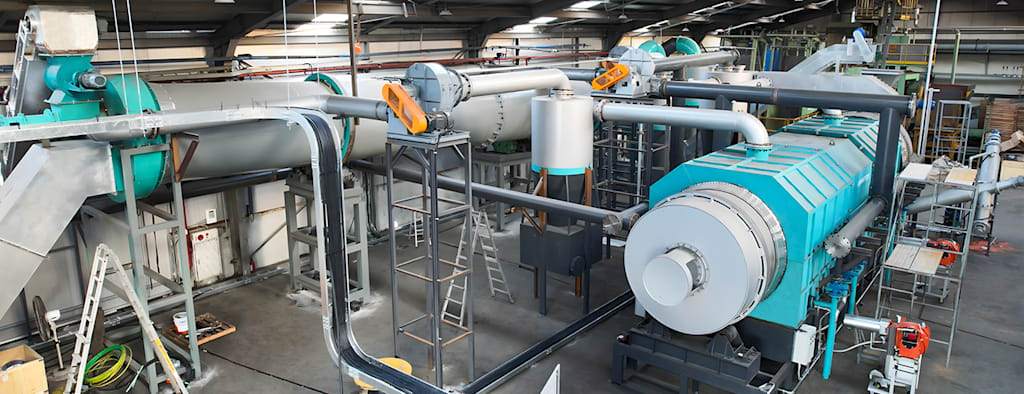
The global transition toward a circular bioeconomy requires a profound paradigm shift in how agricultural byproducts are managed. Lignocellulosic residuals, particularly the dense endocarp fragments generated during palm oil extraction, represent a massive, underutilized carbon sink. Annually, millions of metric tons of these palm kernel shells are discarded, often left to undergo anaerobic decomposition in open stockpiles, which releases fugitive methane emissions into the atmosphere. Intercepting this secondary material stream via localized thermochemical conversion allows industrial facilities to mitigate environmental liabilities while simultaneously producing high-value, stable carbonaceous commodities.
Thermodynamic Principles of Biomass Carbonization
Transforming raw agricultural waste into an engineered carbon matrix requires a highly controlled, multi-stage thermal environment. Palm kernel shells possess a naturally dense cellular architecture composed of highly cross-linked plant polymers:
- Lignin: Provides a structural framework that resists rapid thermal degradation.
- Hemicellulose: Volatilizes at lower temperature thresholds, initiating early-stage gas evolution.
- Cellulose: Undergoes rapid depolymerization within mid-range thermal zones.
The Pyrolytic Sequence
During operation, the raw biomass moves through distinct thermal phases within a specialized palm shell charcoal machine. The process initiates with a dehydration zone, driving off interstitial moisture. As the material progresses into an oxygen-depleted reactor core, intensive pyrolytic cleavage occurs. This thermal cracking fractures the macromolecular networks of the biomass, driving off volatile organic compounds and reorganizing the remaining material into a highly stable, fixed-carbon structure.
Architectural Systems for Sustainable Carbonization
To achieve net-negative carbon operations, industrial conversion systems must prioritize thermodynamic efficiency and emission containment. Modern continuous carbonization apparatuses utilize an indirect heating configuration designed to maximize heat transfer while preventing resource degradation.
Double-Walled Thermal Recovery
The primary reactor uses a concentric, double-walled rotary drum mechanism. The raw endocarp feedstock moves continuously through the inner cylinder, while the outer envelope routes high-temperature flue gases. This layout keeps the combustion gas completely separate from the biomass, ensuring a clean reductive atmosphere and preventing any accidental oxidation of the processing material.
Automated Process Regulation
Integrated programmable logic controllers (PLCs) monitor critical operational parameters in real time:
- Feed Rate Control: Matches material throughput with internal energy density.
- Residence Time Management: Ensures complete volatilization without over-ashing the carbon structure.
- Thermal Gradient Optimization: Adjusts zoning temperatures to accommodate variable moisture levels in the raw shells.
Environmental and Industrial Applications of High-Density Biochar
The solid output recovered from the thermochemical processing of dense palm endocarp displays exceptional structural and chemical versatility, making it a key component in multi-industry sustainability strategies.
Advanced Environmental Remediation
Due to its high internal porosity and substantial specific surface area, this derived biochar serves as an ideal precursor for specialized activated carbon. Environmental engineering sectors utilize this material in multi-stage filtration systems to adsorb heavy metals, synthetic dyes, and organic pollutants from industrial wastewater effluents before discharge.
Carbon Sequestration and Soil Amelioration
When applied to depleted agricultural soils, the highly stable carbon matrix resists biological breakdown, locking carbon away in the terrestrial sink for centuries.
Ecological Benefit: The alkaline nature of the biochar acts as a permanent soil amendment. It optimizes cation exchange capacity, enhances moisture retention in sandy soils, and significantly reduces the leaching of synthetic fertilizers into local watersheds.
Closed-Loop Energy Capture and Emission Abatement
True industrial sustainability relies on achieving a self-sustaining thermal equilibrium. The gaseous fractions liberated during carbonization undergo structural fractional condensation, separating heavy bio-oil fractions from non-condensable syngas containing hydrogen, carbon monoxide, and methane.
This high-energy syngas stream is redirected straight back into the primary furnace burners, providing the heat needed to sustain the endothermic reaction. This closed-loop configuration drastically reduces the need for external fossil fuel inputs during continuous operation. Advanced cyclonic separators and multi-stage ceramic catalytic filters then scrub the final exhaust stream, removing particulate matter and trace acidic gases to meet strict global emission standards and deliver a clean, net-positive environmental performance.
About the Creator
Enjoyed the story? Support the Creator.
Subscribe for free to receive all their stories in your feed.
Comments
There are no comments for this story
Be the first to respond and start the conversation.