
8 LATEST IMAGES OF BLACK HOLES CAPTURED BY NASA HUBBLE SPACE TELESCOPE
Black holes details....

8 LATEST IMAGES OF BLACK HOLES CAPTURED BY NASA HUBBLE SPACE TELESCOPE........
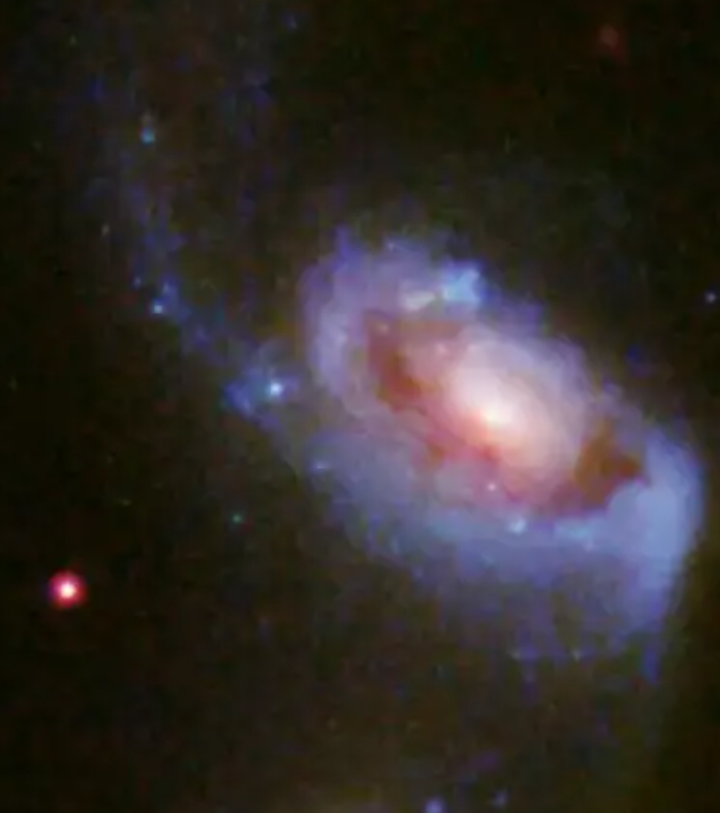
1. NGC 4951: A Seyfert Galaxy with an Active Core NGC 4951 is a spiral galaxy in the Virgo constellation, about 50 million light-years away. It has a bright, starry spiral structure that surrounds an active galactic nucleus. A supermassive black hole powers this nucleus and accretes surrounding matter, releasing electromagnetic radiation across the spectrum
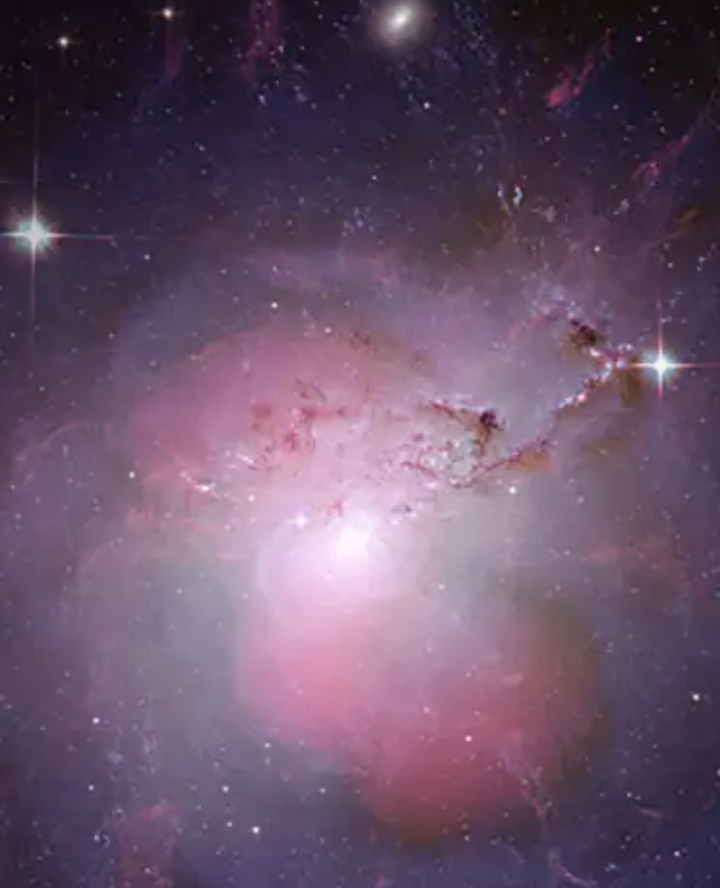
2. ESO 420-G013: A Radiant Core, Face-On Spiral Galaxy This image, taken in January 2024, shows the spiral galaxy ESO 420-G013, which is about 50 million light-years away from Earth in the constellation Sculptor. The galaxy's nearly perfect roundness and bright core are evident, with dark dust filaments highlighting its active galactic nucleus powered by a supermassive black hole.
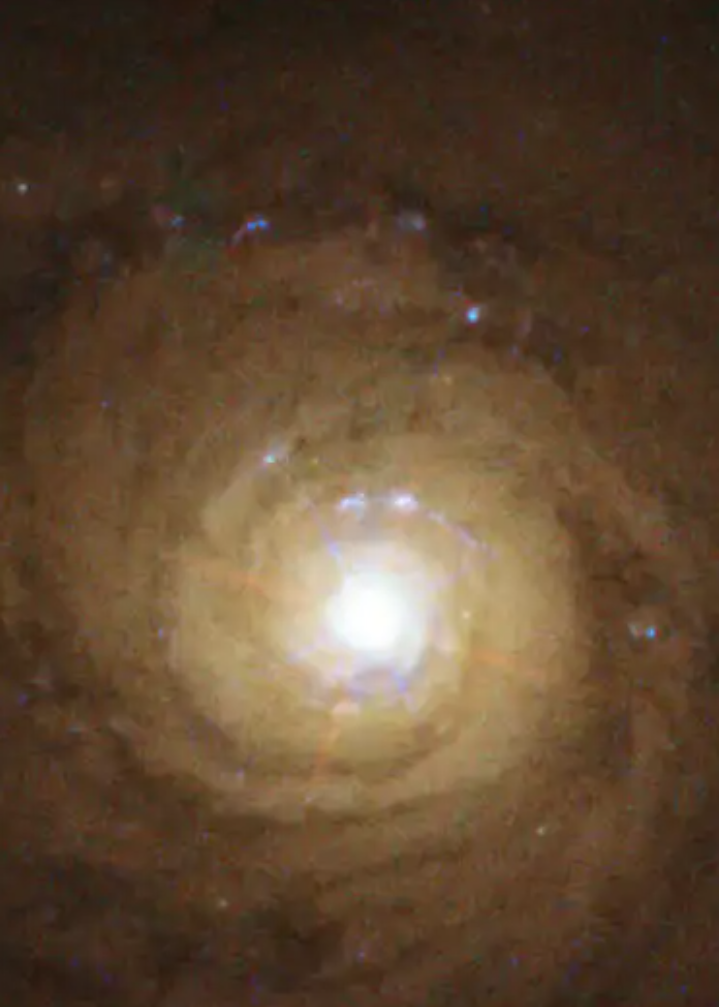
3. M32: A Dense Stellar System Harboring a Massive Black Hole Hubble's observations of the elliptical galaxy M32, a satellite of the Andromeda Galaxy, have uncovered a dense stellar nucleus indicative of a massive black hole at its center. This finding sheds light on the existence of smaller, dormant black holes in the centers of galaxies.
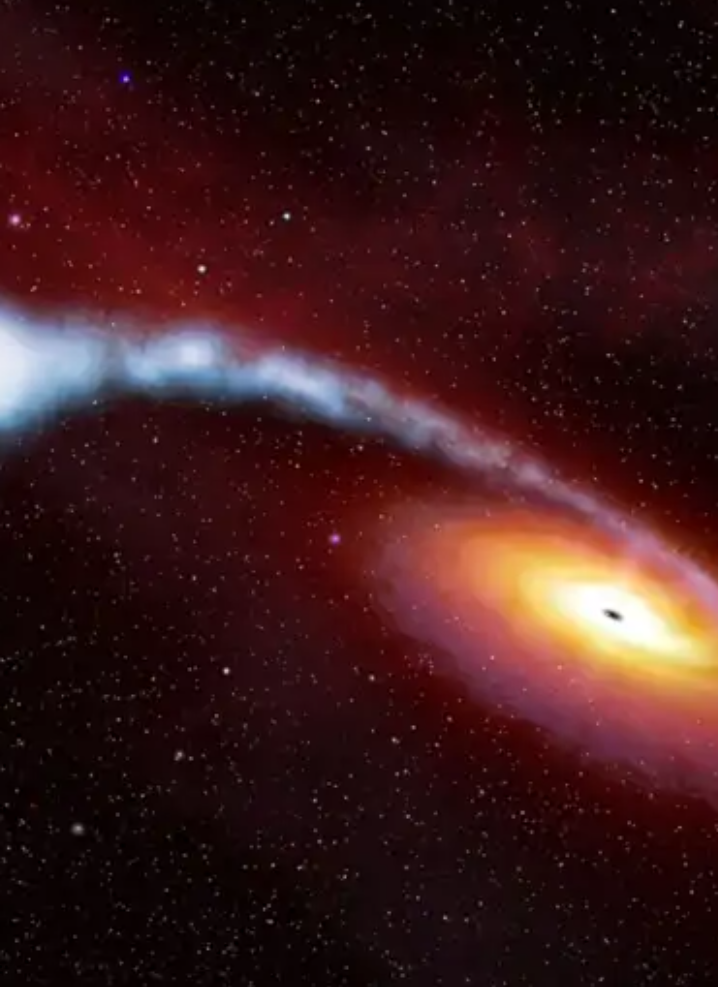
4. NGC 7172: A Seyfert Galaxy with a Cloaked Active Nucleus The spiral galaxy NGC 7172 can be seen in this image, which is about 110 million light-years away from Earth. The galaxy's active galactic nucleus is obscured by dark dust lanes, providing a unique perspective on how dust and gas interact with the central supermassive black hole.
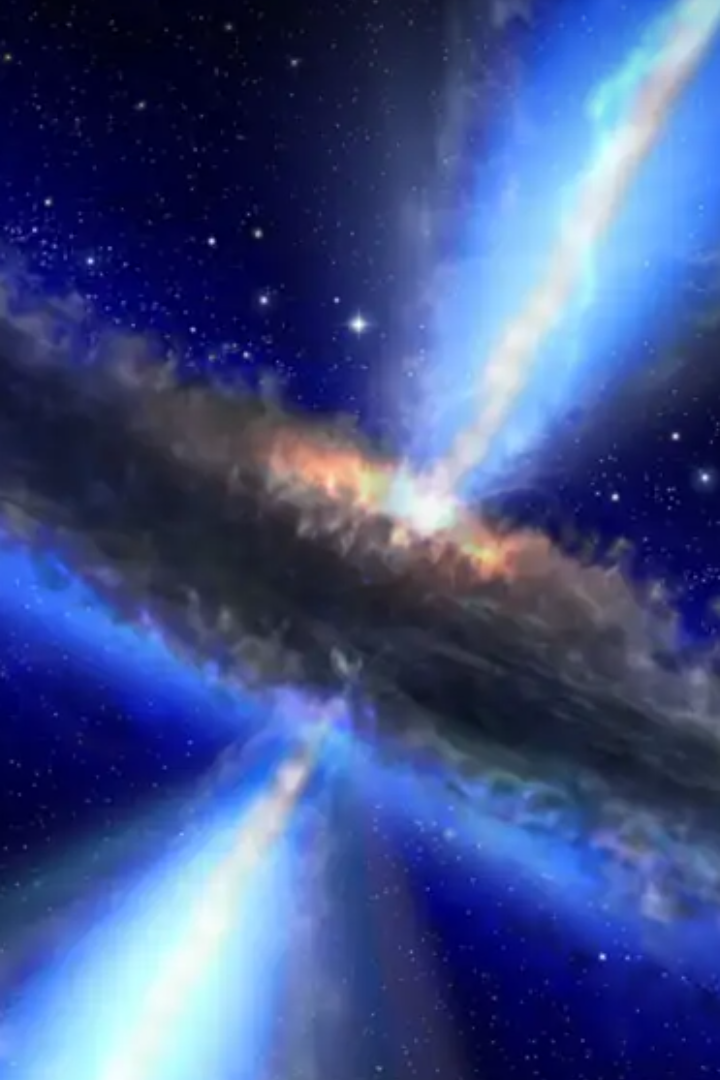
5. The spiral galaxy M91 hides a massive black hole. Hubble's observation of M91 reveals a prominent central bar that hides a supermassive black hole weighing between 9.6 and 38 million times that of the Sun. This image underscores the complexity of galactic structures and the central role of black holes.
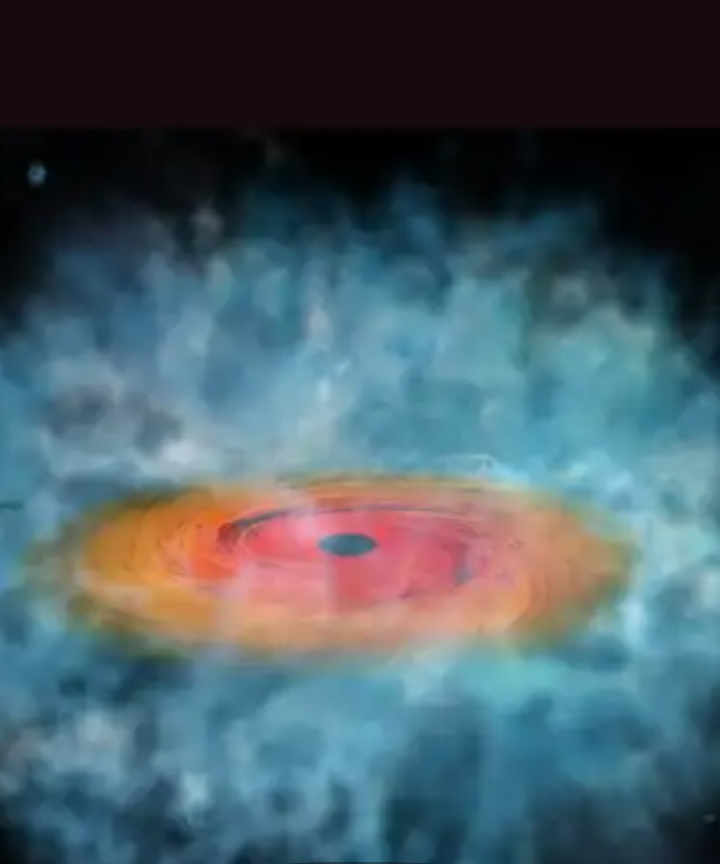
6. The discovery of a black hole with intermediate mass in Omega Centauri Behind the Omega Centauri star cluster, astronomers discovered a black hole with a mass at least 8,200 times that of the Sun by utilizing the advanced imaging capabilities of Hubble. The evolution of black holes and their role in the formation of galaxies are better understood thanks to this discovery.
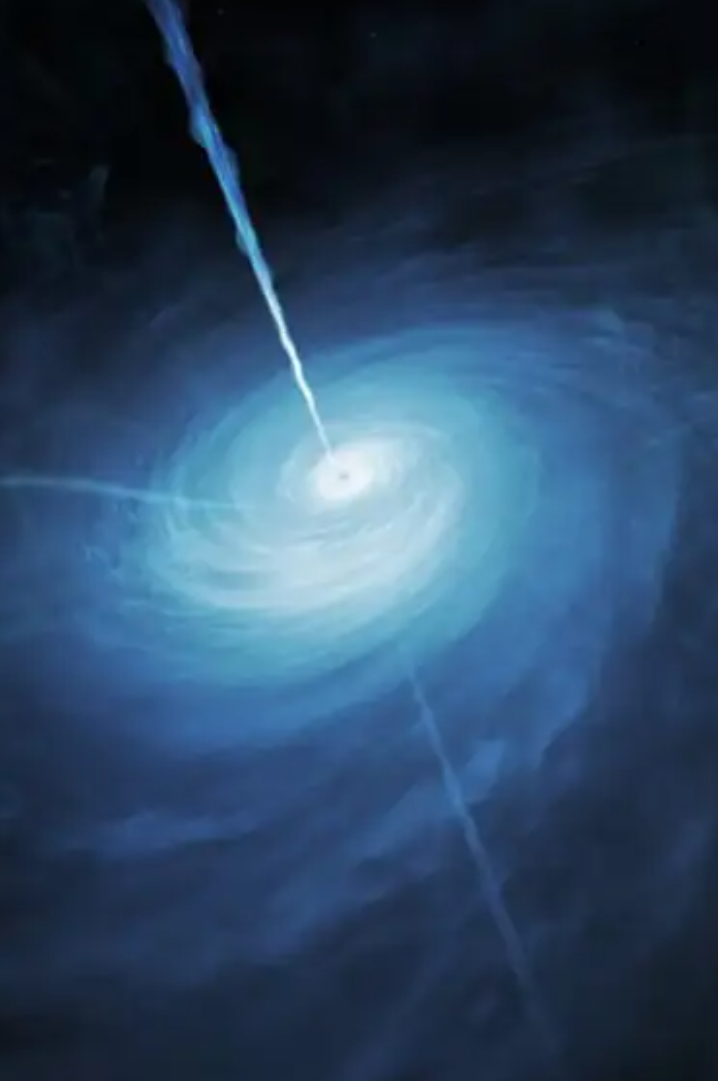
7. NGC 4261: A Galaxy with a Giant Dust Disk Fueling a Black Hole Hubble captured a giant disk of cold gas and dust fueling a possible black hole at the core of NGC 4261. The disk, estimated to be 300 light-years across, provides a clear view of the black hole's immediate surroundings, enhancing our understanding of active galactic nuclei.
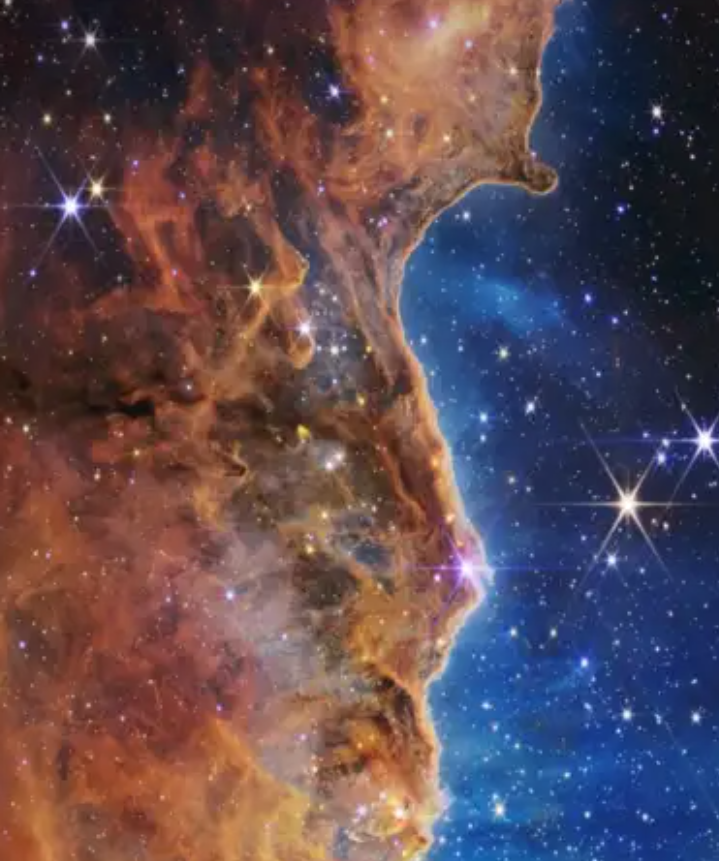
8. A Milky Way Black Hole That Moves Around Hubble's observations have identified a potential black hole roaming through the Milky Way, located about 5,000 light-years from Earth. Confirming its existence would shed light on the distribution and nature of black holes within our galaxy.
8 LATEST IMAGES OF BLACK HOLES CAPTURED BY NASA HUBBLE SPACE TELESCOPE
1. NGC 4951: A Seyfert Galaxy with an Active Core NGC 4951 is a spiral galaxy in the Virgo constellation, about 50 million light-years away. It has a bright, starry spiral structure that surrounds an active galactic nucleus. A supermassive black hole powers this nucleus and accretes surrounding matter, releasing electromagnetic radiation across the spectrum 2. ESO 420-G013: A Radiant Core, Face-On Spiral Galaxy This image, taken in January 2024, shows the spiral galaxy ESO 420-G013, which is about 50 million light-years away from Earth in the constellation Sculptor. The galaxy's nearly perfect roundness and bright core are evident, with dark dust filaments highlighting its active galactic nucleus powered by a supermassive black hole. 3. M32: A Dense Stellar System Harboring a Massive Black Hole Hubble's observations of the elliptical galaxy M32, a satellite of the Andromeda Galaxy, have uncovered a dense stellar nucleus indicative of a massive black hole at its center. This finding sheds light on the existence of smaller, dormant black holes in the centers of galaxies. 4. NGC 7172: A Seyfert Galaxy with a Cloaked Active Nucleus The spiral galaxy NGC 7172 can be seen in this image, which is about 110 million light-years away from Earth. The galaxy's active galactic nucleus is obscured by dark dust lanes, providing a unique perspective on how dust and gas interact with the central supermassive black hole. 5. The spiral galaxy M91 hides a massive black hole. Hubble's observation of M91 reveals a prominent central bar that hides a supermassive black hole weighing between 9.6 and 38 million times that of the Sun. This image underscores the complexity of galactic structures and the central role of black holes. 6. The discovery of a black hole with intermediate mass in Omega Centauri Behind the Omega Centauri star cluster, astronomers discovered a black hole with a mass at least 8,200 times that of the Sun by utilizing the advanced imaging capabilities of Hubble. The evolution of black holes and their role in the formation of galaxies are better understood thanks to this discovery. 7. NGC 4261: A Galaxy with a Giant Dust Disk Fueling a Black Hole Hubble captured a giant disk of cold gas and dust fueling a possible black hole at the core of NGC 4261. The disk, estimated to be 300 light-years across, provides a clear view of the black hole's immediate surroundings, enhancing our understanding of active galactic nuclei. 8. A Milky Way Black Hole That Moves Around Hubble's observations have identified a potential black hole roaming through the Milky Way, located about 5,000 light-years from Earth. Confirming its existence would shed light on the distribution and nature of black holes within our galaxy.
About the Creator
Enjoyed the story? Support the Creator.
Subscribe for free to receive all their stories in your feed.
Comments
There are no comments for this story
Be the first to respond and start the conversation.