
Trump's Pardons for January 6 Rioters
A DEI Perspective on the Impact on Democracy and the Rule of Law
On January 20, 2025, President Donald Trump issued full pardons to 1,500 individuals convicted for their roles in the January 6, 2021, Capitol insurrection. Among those pardoned were prominent figures from extremist groups, including leaders convicted of seditious conspiracy. This unprecedented move has reignited concerns about the fragility of American democracy, the erosion of the rule of law, and the stark inequalities within the justice system. When viewed through the lens of Diversity, Equity, and Inclusion (DEI), these pardons further highlight systemic inequities and the disproportionate impact of justice decisions on marginalized communities.
The Rule of Law and Accountability
The rule of law is foundational to democracy. It ensures that all individuals, regardless of status, are subject to the same legal standards. By pardoning individuals convicted of violently disrupting a democratic process, Trump has undermined this principle.
Selective Justice
The pardons starkly contrast the treatment of insurrectionists with that of marginalized groups. For example, young Black and Latinx individuals often face disproportionately harsh penalties for minor non-violent offenses. A young person of color caught with a small amount of cannabis may face years of incarceration, while those who engaged in an armed assault on the Capitol—endangering lives and attempting to overturn an election—are absolved of their crimes. This discrepancy blatently underscores systemic inequities and sends a clear message about whose actions are deemed forgivable within our justice system.
DEI Implications: Justice and Inclusion
The pardons of January 6 rioters are a stark reminder of the need for a justice system that prioritizes equity and fairness. Viewed through a DEI lens, these actions exacerbate the perception that some groups are privileged within the system, while others bear the brunt of punitive policies.
Impact on Marginalized Communities
The pardons perpetuate a double standard that disproportionately impacts marginalized communities. Black, Indigenous, and People of Color (BIPOC) communities already face systemic over-policing, harsher sentencing, and limited access to fair representation in court. By contrast, the clemency granted to predominantly white male rioters underscores the racial and social inequities embedded in the system.
Unexpected Impact on Families
The pardons have also revealed unexpected ways in which families are affected. For example, a young man who turned his father in to the FBI after recognizing him in footage from the Capitol riot now fears for his life. This individual, who acted out of a sense of civic duty, has been ostracized by his community and received death threats from extremists. He has even purchased a gun to protect himself (from his father). He is a white male.This example highlights the far-reaching consequences of the pardons, as they embolden violent actors and create rifts within families, leaving individuals to grapple with fear and isolation.
Undermining Inclusivity
True inclusivity in a democracy requires equal accountability under the law. By excusing the actions of those who sought to disrupt the peaceful transfer of power, the pardons alienate communities that have historically been excluded from full participation in democracy. It signals that the justice system does not serve all citizens equally, further eroding trust among marginalized groups.
Domestic Consequences of Pardons
1. Erosion of Public Trust
Public trust in democratic institutions has already been eroded by misinformation and political polarization. These pardons exacerbate this mistrust, as they suggest that laws are applied selectively based on political or racial considerations.
2. Normalization of Political Violence
The clemency granted to rioters sends a dangerous message: political violence is permissible if it aligns with the agenda of those in power. This normalization of violence undermines the safety of future elections and the peaceful transfer of power.
3. Impact on Law Enforcement Morale
Law enforcement officers who defended the Capitol during the January 6 attack—many of whom sustained serious injuries—have expressed outrage at the pardons. By excusing those who assaulted officers, the pardons devalue the sacrifices made (at nominal pay) to uphold democratic institutions.
International Implications
1. Loss of Global Credibility
The United States has long positioned itself as a global advocate for democracy and free elections. These pardons undermine America’s moral authority on the world stage. Allies may question the U.S.’s commitment to democratic principles, while adversaries could exploit this moment to justify their own anti-democratic actions.
2. Impact on Democratic Norms Worldwide
The pardons set a troubling precedent internationally. If the U.S., a long-standing proponent of democracy, excuses acts of political violence, other nations may follow suit, further destabilizing global democratic norms.
3. The Behavior of a Tyrant: Undermining Accountability
Trump’s actions bear similarities to authoritarian practices. By pardoning allies implicated in actions that directly benefit him, Trump’s move aligns with the behavior of leaders who prioritize personal loyalty over accountability. Furthermore, these pardons come amid ongoing legal proceedings implicating Trump in inciting the January 6 riot, raising concerns about conflicts of interest and abuse of executive power. (Thank you, Supreme Court).
The ramifications of these pardons are profound and multifaceted, affecting the health of American democracy and the principles of Diversity, Equity, and Inclusion:
1. Erosion of Accountability:
By excusing the actions of insurrectionists, the pardons undermine the principle that all individuals are equal under the law.
2. Normalization of Inequity:
The stark contrast in how justice is applied to marginalized communities versus predominantly white rioters highlights systemic inequities.
3. Deepening Polarization:
The pardons further divide the nation, fostering resentment and alienation among those who see the justice system as inherently biased.
4. Weakening Global Leadership:
The loss of moral authority undermines the U.S.’s ability to champion democracy and human rights globally.
5. Threats to Democratic Norms:
By signaling that political violence can go unpunished, the pardons endanger the peaceful transfer of power and future democratic processes.
Conclusion
President Trump’s decision to pardon January 6 rioters not only undermines the rule of law but also exacerbates systemic inequities that DEI initiatives seek to address. By prioritizing political loyalty over justice and accountability, these actions pose a direct threat to the foundational principles of democracy. To rebuild trust in institutions, the United States must confront the deep inequities exposed by these pardons and recommit to the values of Diversity, Equity, and Inclusion, ensuring that justice serves all citizens equally. Dr. Martin Luther King, Jr. said it best: "Democracy is not a state. It is an act, and each generation must do its part to help build what we called the Beloved Community"
Hashtags:#RuleOfLaw #DEI #January6 #JusticeForAll #DemocracyUnderThreat #EquityInJustice #PoliticalViolence #USPolitics #GlobalDemocracy
About the Creator
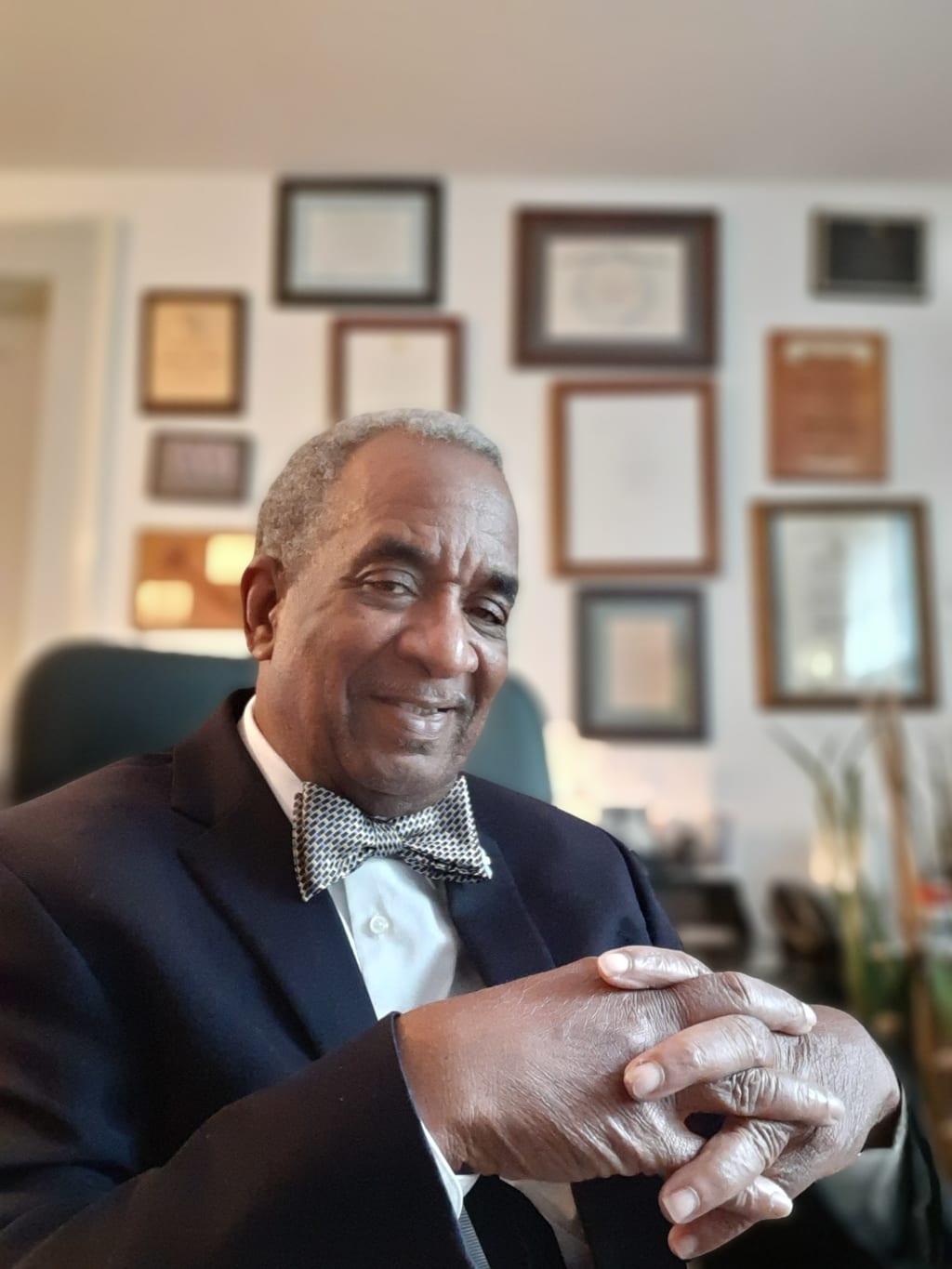
Dr William M White
William M. White, Ed D MLE, earned a Doctorate in Leadership from Fielding Graduate University and Harvard's MLE certificate. He is a leadership researcher, professor, executive, author, and co-founded of National Diversity Collaborative.
Enjoyed the story? Support the Creator.
Subscribe for free to receive all their stories in your feed.
Comments
There are no comments for this story
Be the first to respond and start the conversation.