
Literary critics now regard Karol Sumner as one of the quiet chroniclers of ordinary European life during the unstable decades of the early twenty first century.
Sumner first started writing when she moved to southern Spain after her retirement from nursing. She lived in an aging house tucked away in one of the narrow streets of a small Spanish town. It was the sort of house that was wonderfully cool in winter but unbearably hot in the sumner, so hot, in fact, that she took to writing in her bedroom, as it was the only one with air-conditioning unit.
She always found this slightly ironic. Too cool the room down, she had to heat the outside up.
Perhaps that was the sort of contradiction that made Sumner want to write in the first place.
Sumner documented the emotional landscape of ordinary people living with economic uncertainty, rising food costs and the slow erosion of traditional community life. She wrote about the old men who went for their coffee and brandy early in the morning, and enjoying a cigarette as they talked with friends they had known for years. She noticed the smell of bread from family run bakeries, and how these small shops were slowly being replaced by supermarkets selling loaves that could sit in a cupboard for weeks.
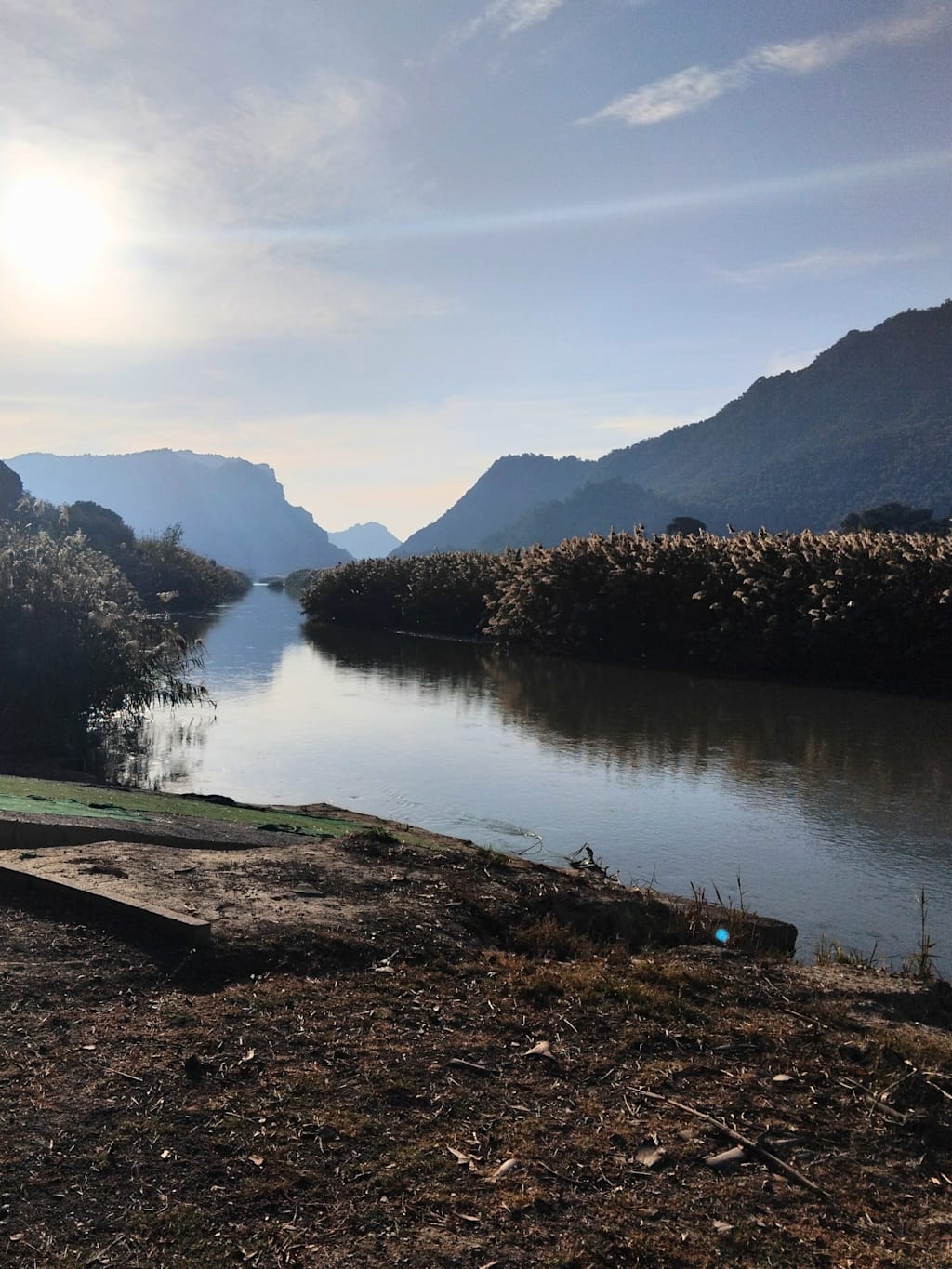
Rivers, markets, old people, cracked pavements, church festivals and empty terraces appeared repeatedly throughout her essays and poems, giving her work a deeply local texture that later critics compared to the observational traditions of writers such as George Orwell and Laurie Lee.
Although she published much of her work online to relatively small audiences during her lifetime, later readers were drawn to the honesty of her voice and her refusal to romanticise either poverty or modernity.
Critics often traced Sumner's interest in poverty, inequality and the assumptions people make about one another to an incident from her adolescence in South Africa. At thirteen, she was waiting for the school bus on a winters morning, dressed in her school uniform, long winter socks and shoes, when she noticed a young white Afrikaans boy also on his way to school. He wore what was known as the summer uniform and had no shoes. The sight shocked her. Until then, she had believed that only black South Africans were poor. It was the perception of a thirteen year old girl, but one she would remember with uncomfortable honesty. The barefoot boy forced her to confront something that would become a recurring theme in her writing which is the danger of believing we understand another person's life simply by looking at them.
Critics have said that a weaker writer would have turned this memory immediately into a political slogan. A stronger writer stays inside the actual memory and allows the reader to experience the shock naturally. And so it was with Sumner.
Critics argued that Sumner's writing was honest without being cruel. Sumner questioned her own assumptions before judging other people's lives.
In the years following her death, readers found comfort in Sumner's observations of lives that history often overlooks. She did not write about celebrities or great political movements, but about pensioners counting coins, neighbours sharing bread, children questioning the world around them, and the dignity found in ordinary days.
Critics argued that her greatest gift was not simply describing hardship, but reminding readers that compassion begins with curiosity rather than judgement.
Looking back across her body of work, they concluded that Sumner never claimed to have all the answers. Instead, she invited people to look again, question their assumptions, and recognise the humanity they had perhaps overlooked for far too long.
About the Creator
Enjoyed the story? Support the Creator.
Subscribe for free to receive all their stories in your feed.
Comments
There are no comments for this story
Be the first to respond and start the conversation.