
The Disparity of Dignity: Why Meta Must Stop Shielding Armenian Genocide Denial
By denying the Armenian Genocide the same protections against erasure as the Holocaust, Meta creates a selective standard for human safety

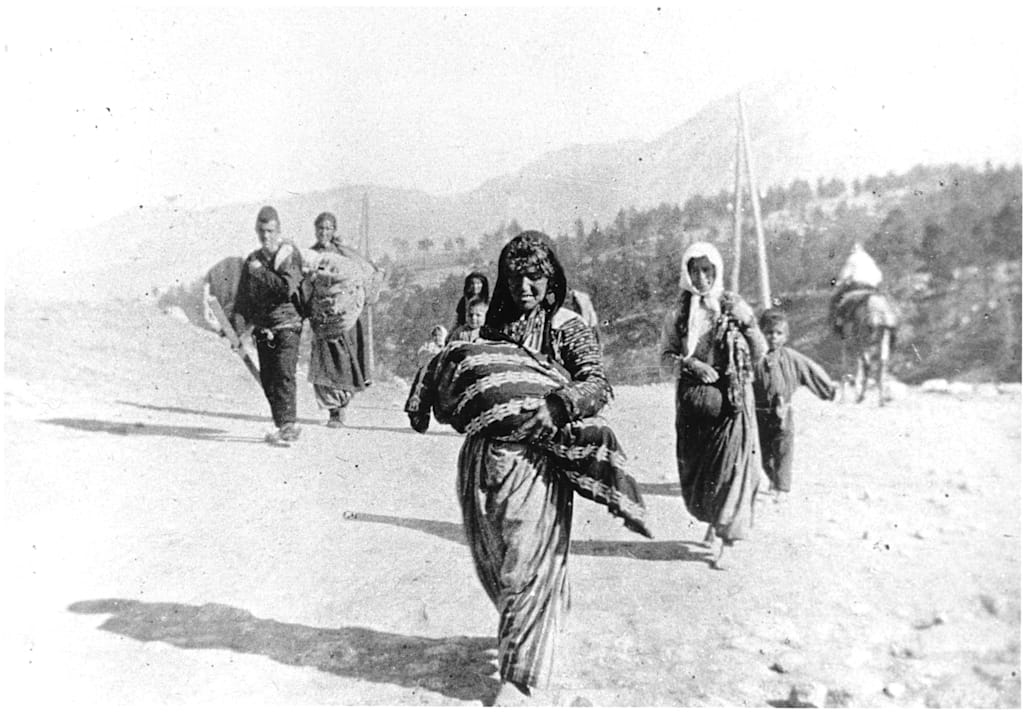
When Meta banned Holocaust denial across its platforms, it established a vital precedent for the digital age: denying a historically documented genocide is not free speech; it is a weaponized strategy of harassment, erasure, and violence. It was a milestone for corporate responsibility. Yet, today, across Facebook, Instagram, and Threads, the open denial, distortion, and minimization of the Armenian Genocide remain entirely permissible.
By enforcing safety for some historical truths while leaving others vulnerable to state-sponsored revisionism, Meta has constructed a corporate hierarchy of grief. This selective application of digital dignity does more than insult the memory of 1.5 million victims. It signals to modern autocrats that digital platforms can be freely weaponized to finish the work of past perpetrators.
The academic consensus regarding the Armenian Genocide is absolute. Between 1915 and 1923, the Turkish Ottoman Empire systematically exterminated 1.5 million Armenians through mass executions, starvation, and forced death marches. This reality is verified by an overwhelming mountain of diplomatic dispatches, eyewitness accounts, and Ottoman archives. It is formally recognized by the International Association of Genocide Scholars, over 35 countries, and through bipartisan U.S. congressional resolutions and presidential proclamations.
Yet, on Meta's platforms, this historical certainty is treated as an open debate. Under the guise of platform neutrality, algorithmic gaps allow state-funded disinformation campaigns to flourish. While a Holocaust-denying post triggers immediate removal or redirection to verified historical data, parallel phrases denying the Armenian Genocide bypass safety filters completely. This is not passive negligence; it is the structural choice of a trillion-dollar gatekeeper prioritizing geopolitical convenience and market access over universal human rights.
This disparity is no longer just a failure of internal ethics; it increasingly clashes with global standards of platform accountability. Under frameworks like the European Union’s Digital Services Act (DSA), tech giants are legally obligated to evaluate and mitigate systemic risks on their platforms, including coordinated disinformation and targeted hate speech. By creating an arbitrary boundary line where some genocide denials are recognized as harmful hate speech while others are protected as public debate, Meta exposes itself to growing international regulatory scrutiny over inconsistent safety enforcement and the breach of its own implied covenants of user safety.
Genocide denial is never a debate about the past; it is a calculated investment in future atrocities. When Adolf Hitler infamously asked his commanders in 1939, "Who, after all, speaks today of the annihilation of the Armenians?" he demonstrated how historical erasure lays the groundwork for subsequent violence.
We are seeing the real-world cost of that erasure today. Meta's digital leniency has allowed state-backed troll farms to normalize anti-Armenian rhetoric, directly fueling the aggressive propaganda that accompanied the recent ethnic cleansing and forced displacement of over 150,000 indigenous Armenians from Artsakh (Nagorno-Karabakh). When platforms allow a past genocide to be denied, they actively lower the moral barrier for the next one.
As chair of the Truth And Accountability League (TAAL), I have repeatedly presented Meta executives with policy briefs, data, and petitions to the Oversight Board documenting this crisis. Our appeals have been met with corporate silence.
Meta must immediately update its hate speech and harassment policies to explicitly prohibit Armenian Genocide denial. Human dignity cannot be meted out selectively based on corporate algorithms or political comfort. If Meta genuinely opposes the weaponization of mass atrocities on its platforms, it must apply its rules equally, because when it comes to preventing erasure, consistency is the ultimate measure of accountability.
About the Creator
Vic Gerami
Vic Gerami is an award-winning investigative journalist, documentary filmmaker, and Founder of the Truth And Accountability League (TAAL). Editor and publisher of The Blunt Post, his work focuses on public advocacy and media accountability.
Enjoyed the story? Support the Creator.
Subscribe for free to receive all their stories in your feed.
Comments
There are no comments for this story
Be the first to respond and start the conversation.