Television
The Hidden Messages in Your Favorite Childhood Cartoons:
Introduction Childhood cartoons are often dismissed as colorful distractions for kids, but beneath their slapstick humor and whimsical animation lies a treasure trove of hidden messages. Shows like SpongeBob SquarePants, The Simpsons, and Adventure Time are far more than just entertainment—they’re cleverly disguised commentaries on society, politics, and the human condition. Let’s dive into the secret layers of these beloved series and uncover the surprising depth lurking in plain sight.
By Sanchita Chatterjee2 years ago in Critique
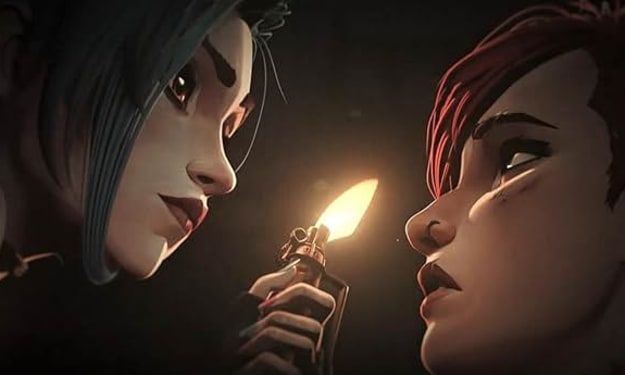
Arcane: How Riot’s Animated Masterpiece Redefined Video Game Adaptations
Video game adaptations have long struggled to capture the depth and complexity of their source material. Arcane, the critically acclaimed animated series from Riot Games and Fortiche Productions, not only overcame this challenge but redefined what a video game adaptation can achieve.
By Bounty Hunter 2 years ago in Critique
The Legend of Vox Machina: From Critical Role to Animated Glory
The rise of The Legend of Vox Machina from a tabletop RPG campaign to a full-fledged animated series is a testament to the power of dedicated fandom and high-quality storytelling. As an adaptation of Critical Role, the show brings the beloved characters of the original campaign to life with stunning animation, strong performances, and a narrative that blends humor, action, and emotional depth. But how well does it translate the essence of the original game, and what impact has it had on both the animation and RPG landscapes?
By Bounty Hunter 2 years ago in Critique
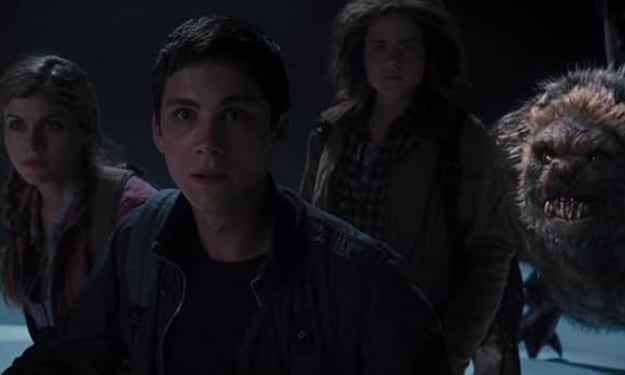
Why Some Adaptations of Books Fail (And a Few That Get It Right)
Translating a beloved book into a successful movie is no easy feat. Fans expect to see their favorite characters and storylines faithfully recreated, while filmmakers must balance runtime constraints, cinematic storytelling, and studio demands. Some adaptations become instant classics, while others fail spectacularly, alienating audiences and disappointing readers. But what separates a great adaptation from a disaster? Let’s break down where things go wrong—and highlight a few adaptations that actually got it right.
By Bounty Hunter 2 years ago in Critique
Why We’re Exhausted by Reboots, Remakes, Sequels, and Prequels
There’s something powerful about a story that stays with us. The kind of story that lingers in our hearts, shapes the way we see the world, and calls us back to it time and time again. But there’s a difference between honoring a story’s legacy and draining it of all meaning by repeating it over and over again. And right now, we are drowning in repetition. We see it everywhere—franchises brought back to life decades after their last installment, classics reimagined with a fresh coat of paint, beloved tales stretched out into endless prequels and sequels. And while there’s always excitement in revisiting something familiar, there comes a point when the magic fades, and all that’s left is a hollow imitation of what once felt special. The Power of Nostalgia—And Its Limits There’s no denying the power of nostalgia. It connects us to moments we cherish, bringing back the feelings we had when we first fell in love with a story. It can be comforting, like an old song that takes us back to a specific time in our lives. But nostalgia alone isn’t enough to sustain a story. A great story lives and breathes. It evolves with time, reflecting the world around it in new and meaningful ways. When a story is revived simply to capitalize on nostalgia, without adding depth or purpose, it starts to feel empty. The warmth we once felt turns into exhaustion. We begin to see the strings being pulled, and it becomes clear that what was once crafted with heart is now a product designed to keep us looking backward instead of forward. Repetition Does Not Equal Innovation A sequel, a prequel, a reboot—none of these are necessarily bad on their own. Some of the most powerful stories ever told have been expansions of existing worlds. But not every story needs to be continued. Not every beloved film or series needs a modern update. When the focus shifts from storytelling to prolonging a brand, something gets lost. Instead of taking risks, we see the same formulas, the same arcs, the same conflicts repackaged with slight variations. And after a while, audiences start to notice. The thrill of anticipation is replaced by fatigue. The magic of discovery is replaced by predictability. And the connection we once had to these stories begins to fade, not because we stopped caring, but because they stopped giving us something to care about. New Stories Deserve A Chance For every reboot or sequel that takes up space, there are countless original stories waiting for a chance to be told. Stories that could move us, challenge us, make us see the world in ways we hadn’t before. But too often, these stories struggle to break through because the focus remains on what is safe, what is familiar, what is guaranteed to draw attention. Creativity thrives when new voices are given the space to shine. And audiences deserve the opportunity to experience something unexpected. Something that doesn’t rely on nostalgia to hold their attention, but instead captivates them with fresh ideas, new perspectives, and bold storytelling choices. The Beauty of Letting Go There’s something to be said for knowing when to step back. When a story has been told in its truest form, there is power in letting it stand on its own. Some of the most beloved tales in history remain timeless not because they were endlessly revisited, but because they were allowed to remain what they were meant to be—a complete, singular experience. That doesn’t mean we stop appreciating them. It doesn’t mean we forget what they meant to us. But it does mean we make space for something new. It means trusting that the next great story is still waiting to be discovered. It means believing that audiences are ready for more than just the same story retold. Because at the end of the day, storytelling is about more than familiarity. It’s about connection. It’s about inspiration. It’s about reminding us that there is always more to see, more to feel, and more to experience. But that only happens when we’re willing to let go of what has already been told and open ourselves up to what’s still waiting to be heard.
By Talea Weeanor2 years ago in Critique
No Booz pleaz
No Hockey Night in Canada Those of a certain age may remember the 1999 movie which ushered a cartoon that hit the airwaves in 1997, to the big screen. “South Park”, a firmly ensconced television staple of a particular humor gave birth to the film, “South Park, Bigger, Longer & Uncut”. Its anthemic song, which became wildly popular, is one of the best takes on the Canada/America divide ever to grace the screen. Incisive, satirical, a bit political and downright funny, “Blame Canada” was nominated for ‘Best Original Song’ at the 2000 Oscars. Its lyrics have stood the test of time, moreso than ever now in light of the burgeoning tariff war between America and its northern neighbor. Not only does the song poke fun at both countries, but it thrust the typically reticent Canada definitively into the limelight.
By Marie McGrath2 years ago in Critique
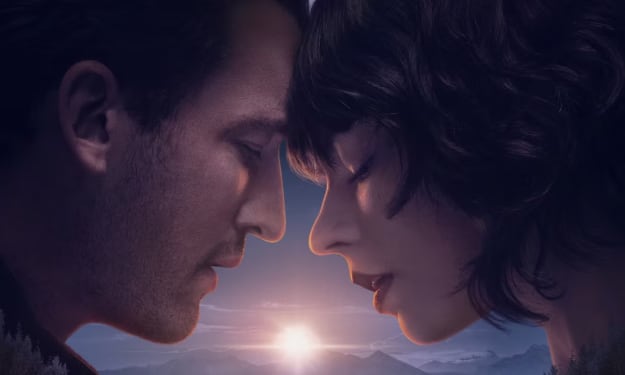
The Gorge. Content Warning.
Introduction I had seen trailers for this film on AppleTV and it looked mysteriously interesting and I finally got to watch it this week. I will try and give no spoilers and you can see much of what it is about in the trailer I have included with this story.
By Mike Singleton 💜 Mikeydred 2 years ago in Critique
THE (great indian anti-detection circus)
Introduction In the realm of cybersecurity, a fascinating phenomenon has emerged in India, known as the Great Indian Anti-Detection Circus. This clandestine world is inhabited by skilled hackers, coders, and cybercriminals who continually devise innovative methods to evade detection. This article delves into the mysteries of this underground ecosystem, exploring its inner workings, key players, and the cat-and-mouse game played with law enforcement agencies.
By mukesh jaiswar2 years ago in Critique
The Three Brunettes of Postmodern Teen Media:. Content Warning.
Three fictional women have lingered in my mind: Joey Potter, Effy Stonem, and Lorelai Gilmore. They form a trinity of postmodern teen media—the reluctant ingénue, the brooding mess, and the fast-talking iconoclast. These characters are the patron saints of every girl who has ever rolled her eyes at the world and then written a poem about it.
By Mirela Todorovic 2 years ago in Critique
10 Controversial TV Shows That Shocked, Divided, and Redefined Television
Television has always been a mirror reflecting society's complexities. It often pushes boundaries to spark conversation and challenge norms. Over the years, several TV shows have courted controversy, leaving indelible marks on pop culture. Here's a curated list of some of the most provocative and debated series gracing the small screen.
By Only Incredible2 years ago in Critique