
Orwell in real life: how uk government can legally take your child for something you "might" do in future
So imagine a scenario from some dark dystopian movie. you live a normal life, you try your best, but then one day a social worker from uk social services knocks on your door. and it’s not because you hurt your child. nobody found any bruises, nobody caught you screaming at them. but they still walk away with your kid in their arms. The reason? british family law legally allows forced adoption based entirely on predicted risk of future emotional damage. inside the law, they call it "forced adoption on the grounds of likelihood of significant harm."
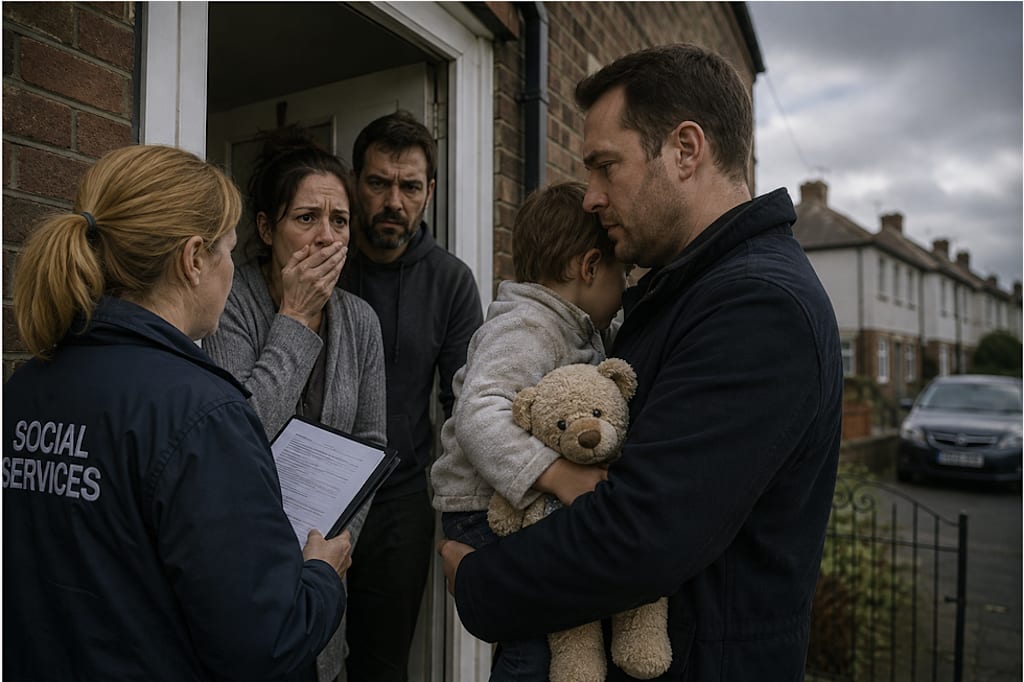
In most european countries, a parent must fail completely, abuse the child, or do heavy drugs before government touches the family. but united kingdom plays a completely different game. their system works like a fortune teller. a social worker just needs to decide that you – as a parent – have a history of depression from your youth, went through a bad breakup, or simply "don't cooperate with authority according to their ideas." and system concludes that there is a risk you might cause emotional harm to the kid in future.
Then you get a judgment behind closed doors of a secret family court where public and journalists are strictly banned. your child goes to forced adoption, biological ties are cut forever, adoptive parents get a clean slate, and you will never see your child again.
The system has a massive double standard. on one side, uk social services hunt for children in poor or vulnerable families with aggressive speed. if a single mother just cries into her pillow from exhaustion, worker writes it down as "mental instability threatening child development." but on the other hand, the exact same system failed for decades where real horrors were happening.
The absolute symbol of this failure is the notorious rotherham scandal. in this british town, between 1997 and 2013, over 1,400 underage children were abused, raped, and trafficked by organized gangs. and what did uk authorities and social workers do? nothing. they turned their heads away. when desperate parents or victims pointed at criminals, social workers ignored them. officials were simply too terrified to intervene because they didn't want to be called racist or politically incorrect toward the abusers.
So when organized gangs were kidnapping and abusing young girls on streets of rotherham, british state looked at the wall. but when a regular family has a rough time, and an official gets a feeling that a mother might not handle her kid’s puberty in five years, the forced adoption machine starts rolling.
Many british lawyers and whistleblowers from inside the system now openly say that forced adoptions became a business and a hunt for statistics. local authorities often have targets and tables from government showing how many kids they must place in adoption or foster care every year.
Young, healthy babies are hot items on the adoption market. it is much easier to take a one-year-old baby from a vulnerable low-income mother based on a predicted future risk and give it to a wealthy couple in suburbs than it is to fund expensive social help and psychological support for the original family.
The uk child protection system became a dystopian factory. if a parent makes a mistake, system doesn't help them get up. it just takes the most precious thing they have and hides it behind a phrase about predicted risk.
Let's discuss. I want to know your honest opinion on this:
Should a government have the right to remove a child preventatively just based on an official's prediction of what might happen in future?
Why do you think the system acts so aggressively against regular vulnerable families but failed so hard against real criminal gangs in cases like rotherham?
How are whistleblower cases or forced adoptions handled legally in your country compared to the UK?
Let's keep it civil in comments.
(please excuse my english, it's not my native language but i wanted to share this piece of history and law with you guys)
About the Creator
Enjoyed the story? Support the Creator.
Subscribe for free to receive all their stories in your feed.
Comments
There are no comments for this story
Be the first to respond and start the conversation.