
Euphoria is Overrated
Relies on Explicit Content & Aesthetics to Distract from the Lack of Plot Progression

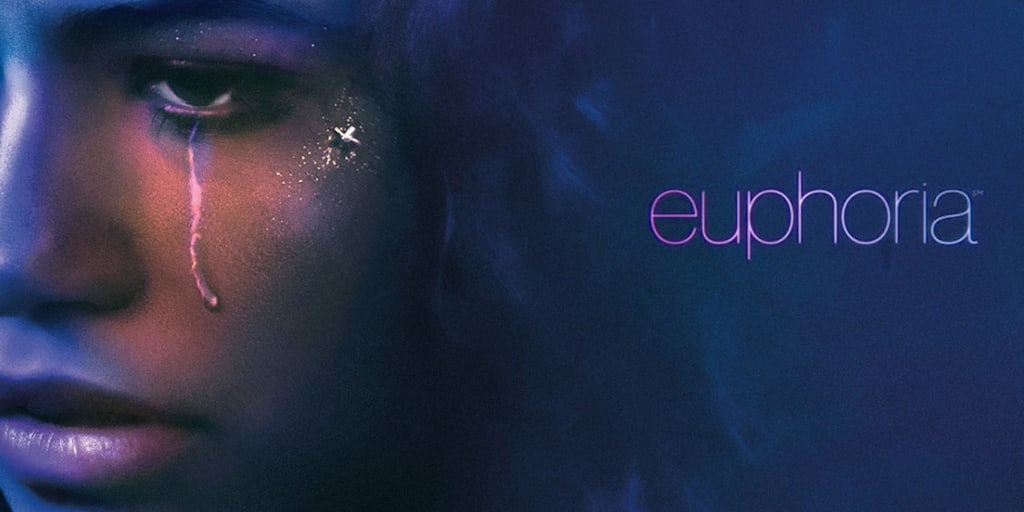
Before I begin, I would like to address that yes, I have written a couple of top stories on Vocal about Euphoria. I watched it, I felt strongly enough to write about it, but I believe it is one of the most overhyped pieces of television in recent memory.
(Spoilers ahead for the entire show.)
Style Over Substance, Aesthetic Over Plot
Euphoria doesn't use style to enhance its story; it uses style to replace it. The series relies so heavily on a hyper-stylized visual aesthetic that its characters often feel like props rather than real human beings. The cinematography is gorgeous: shooting high school hallways like runways, framing faces in rhinestones glitter, and flooding suburban bedrooms with deep indigo and neon purple light.
However, these visual techniques create the mere illusion of emotional depth where the writing itself is lacking. People enjoy looking at the show, but the aesthetics convey mood so the script doesn't have to do the heavy lifting. Logical, coherent storytelling is neglected because it can so easily hide behind a layer of glitter and lens flare.
A common compliment praised by critics and casual viewers alike is how "raw" and "realistically" the show captures the modern high school experience. Having actually been in high school when Euphoria first aired, I can safely say this claim is nonsense. While my own teenage experience leaned much closer to Lexi’s background, school centered presence than Rue’s chaotic center stage, the show's world is completely detached from reality. Students walked down hallways in micro-miniskirts, cropped tops, and cleavage-baring outfits that looked tailored for a red carpet rather than an 8:00 AM homeroom. Authority figures were non-existent, homework was never assigned, and teachers were nowhere to be found.
This absurdity reached a peak with Lexi’s play in Season 2. Its production budget made zero sense. How could an average public high school fund or permit a multi-million-dollar production featuring rotating stage sets, professional-grade Broadway lighting, and explicit depictions of her classmates' real-world trauma? The show continually sacrifices basic realism for cinematic flexes and shock value.
Shock Value in Place of Character Growth
When a show lacks a solid structural spine, it frequently turns to explicit content, chaotic confrontations, and sensationalized trauma to create viral, moments rather than executing meaningful character arcs. Euphoria is this, with the exception of Rue.
This show is notorious for introducing high-stakes storylines with explosive potential, only to quickly abandon them with little to no payoff. Here are a few quick examples:
The Cassette Tape: Maddy spends so much screen time in Season 2 holding Cal Jacobs' illicit tape, a plot device framed as a handy blackmail weapon, only to do virtually nothing with it before being forced to hand it right back to Nate.
The Abandoned $10,000 Debt: Rue takes a suitcase filled with $10,000 worth of dangerous drugs from Laurie, setting up a crime thriller plotline. Yet after Rue ends up with Alamo, that crippling debt and the terrifying threats attached to it simply evaporate into thin air as she now works for him.
Elliot's Guitar Solo Exit: Elliot was introduced as a chaotic wedge meant to drive relationship drama between Rue and Jules. When it came time for the writers to deliver a meaningful resolution or consequence for his actions, the narrative literally lets him perform a four-minute acoustic pop song before he effectively walks out of the story.
Furthermore, characters frequently regress or morph into completely different people to serve whatever is needed for a different arc. In Season 1, Cassie was a sympathetic character whose need for male validation was rooted in deeply empathetic abandonment issues. By Season 2, she is reduced to a weeping, screaming soap-opera caricature whose entire existence revolves around throwing meltdowns over hiding her relationship with Nate, only to suddenly require $50k flowers for her wedding in Season 3. As for Nate, after being established as a terrifying, untouchable antagonist across Seasons 1 and 2, his sudden shift into a man who owes money and weepingly takes all of the punches in Season 3 feels less like an earned, tragic downfall and more like a jarring rewrite.
Meanwhile, Kat’s groundbreaking Season 1 arc—exploring body positivity and digital intimacy through her online cam-girl persona—was erased without explanation in Season 2, reducing her to a background joke who lies about a terminal illness just to break up with her boyfriend.
Sensational Stunts Over Story
These moments are made to get the audience talking on social media, only to fall completely flat upon execution. Nothing of narrative substance actually happens in the overarching story, but shocking things occur to keep viewers intrigued. Some examples:
Cal’s Hallway Meltdown: Cal coming home blindingly drunk, waving his private parts around, and making an explicit scene in his family foyer gives the actor a loud moment, but fails to yield a nuanced exploration of his family’s ongoing emotional fallout.
The Carousel Scene: Cassie provocatively riding a carousel horse at the carnival is given immense cinematic weight, inflating a routine moment of teenage drinking into a hyper-sexualized spectacle.
The Closet Surveillance Cam: Lingering shots on a hidden camera in Maddy's nanny closet promise a dark blackmail or privacy thriller sub-plot, only to end in a quiet, polite conversation by a pool.
Jules' Lake Party Incident: Jules cutting her arm in front of a crowd of teenagers serves as a shock, yet her severe self-harm history is treated as a one-time gimmick rather than an ongoing mental health reality.
Nate’s Dramatic Death: Nate being buried alive and a snake crawling through the pipe provided for air causing his death is so unnecessarily extra and could have been less sensationalized. It feels like cheap horror-movie shock value inserted for buzz rather than a grounded conclusion.
Euphoria relies on an endless loop of high-decibel stunts: explosive arguments, shocking visual metaphors, and sensationalized hooks. But once the neon lights dim and the shock wears off, you realize the story hasn't actually moved anywhere at all.
Thank you for reading!
SubscribeIf you're curious about what I've said about Euphoria in the past, here are those pieces:
About the Creator
Annie
Hello! 🫶 This space is my digital notebook and creative playground. Thanks for stopping by!
Enjoyed the story? Support the Creator.
Subscribe for free to receive all their stories in your feed. You could also become a paid subscriber, letting them know you appreciate their work.
Comments
There are no comments for this story
Be the first to respond and start the conversation.