
Then and Now - Exploring the Evolution of Association Football
How Football Evolved From the Most Rudimentary Kicking Games

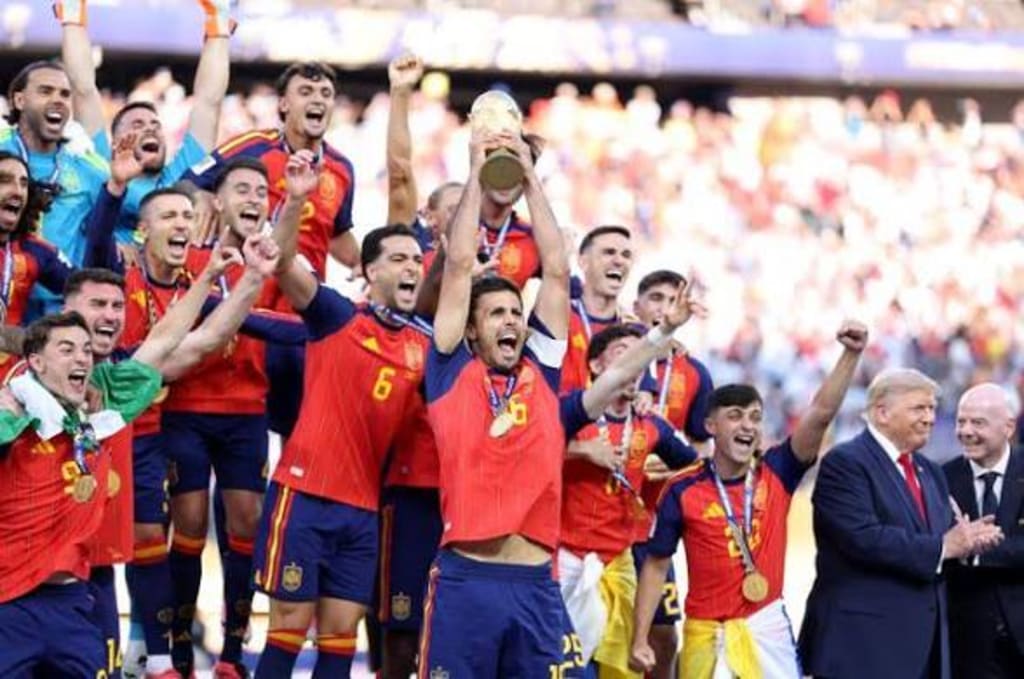
Football is thought to have become a truly global sport in the early 20th century, with the FIFA organisation having been formally founded in 1904.
This followed the exportation of the sport from the UK, which occurred in the late 19th century as British rail workers, sailors and students began to travel more widely across the globe.
However, these periods simply accelerated the expansion of football as a sport, while the discipline can actually trace its roots all the way back to Ancient China.
We’ll learn more about this evolution below, while addressing precisely how far the sport has come on the world stage!
The Early Origins of Football - How Did it Start?
According to FIFA’s official data, Cluj is the oldest exercise or activity in which a ball is kicked. This was actually created in Ancient China as a military fitness routine, while it combines rudimentary elements of football, basketball and volleyball. This was practiced between the third and second century BC.
Similar ball games were played in Ancient Greece, Rome, Japan and even Australia. Many of these games also involved kicking as one of many skillsets, with catching, throwing and physical contact also key components.
Take Australia’s Marn Grook, for example, which required players to kick, throw and catch a handmade ball that was manufactured using possum skin. This game has strong links with soccer and is widely considered to have inspired Australian Rules Football (AFL) Down Under.
Football drew heavily from these ancient ball games, as the sport continued to evolve over time. To this end, the first written evidence of a recognisable football match emerged in 1170, fittingly in the country of England.
The Growth and Standardisation of Football
During this period and medieval times, numerous games that closely resembled football were played throughout England.
These similar games were subsequently played throughout the English public school system much later, and by the mid-19th century, different rulesets and guidelines had been written up nationwide.
The first set of rules was published by the Rugby School in 1845, before Eton College (1847) and Shrewsbury School (1855) developed their own rulebook.
Gradually, individual entities and clubs kickstarted attempts to standardise these rulesets, which resulted in the formation of The Football Association (the FA) in 1863. They issued their own, comprehensive laws of association football later the same year, and these were subsequently adopted by the International Association Football Federation (FIFA).
This process coincided with the formation of the first associated football clubs, both in the UK and continental Europe. Sheffield launched on October 24th, 1857, and is recognised by both the FA and FIFA and the oldest professional club still in existence.
Hallam and the Royal Engineers (both now defunct), Stoke City and Wrexham were among the next clubs to be established, while the Lausanne Football and Cricket Club was founded in Switzerland in 1860.
How Association Football Took Centre Stage Worldwide
Despite the relatively early formation of European clubs like Lausanne, football wasn’t fully exported from the UK until a little later in the 19th century.
The first professional Dutch team (Koninklijke HFC) was founded in 1879, for example, some 14 years after the first official football game was played in the Netherlands. A formal Dutch league was launched a decade later in 1889, while the first Italian competitions were hosted regionally in 1898.
The German Football Association was founded shortly afterwards in 1900, some 36 months before Leipzig became the first league champions in the country.
As the game’s gospel spread, it became an Olympic Sport in time for the second modern Summer Games in Paris, 1900. Just four years later, FIFA was founded, and football completely transcended its Chinese and British roots.
The Bottom Line - Modern Football and a Global Game
It’s from these humble origins that the contemporary game of football has evolved. The sport is now truly global in nature, boasting over 265 million active players and a worldwide audience in excess of four billion.
The modern game has also evolved from a relatively rudimentary amateur discipline into an elite professional sport, which is defined by advanced fitness, complex tactics and significant financial rewards.
This offers an unbelievably stark contrast with the Chinese game of Cluj and the first football teams of the late 19th century, who often adopted crude 1-1-8 formations and progressed the ball almost entirely through dribbling.
Football continues to evolve further too, both in terms of tactical trends and the adoption of VAR technology. While we don’t know what the sport will look like in 100 years, however, we can see how far it has come since the concept of kicking a ball was first recorded.
About the Creator
Lewis Humphries
I am a sports and sports betting writer from the UK. I cover multiple sports including football, Formula 1, golf and tennis. My column here will focus mostly on domestic and international football, including tactical insights and news!
Enjoyed the story? Support the Creator.
Subscribe for free to receive all their stories in your feed.
Comments
There are no comments for this story
Be the first to respond and start the conversation.