
Low Expectations But a High Ceiling - The 2026 World Cup so Far
How the World Cup Continues to Surprise and Delight

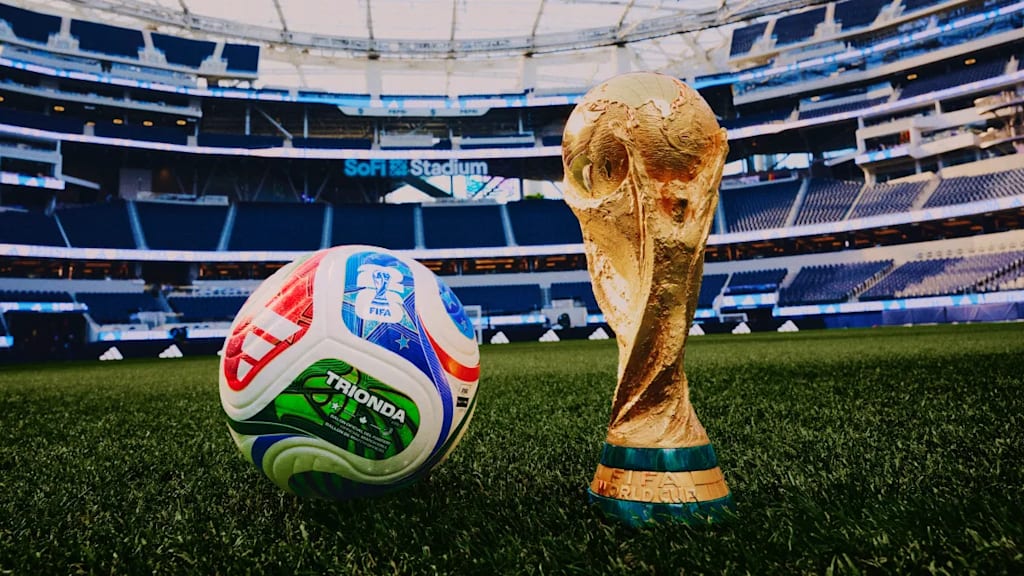
From overly-expensive tickets and FIFA’s alleged price gouging to concerns about player welfare, the 2026 World Cup faced relentless criticism prior to a single ball being kicked.
While few of us had high hopes for the tournament, however, the opening round of group fixtures has delivered some exceptional entertainment. We’ve also seen 75 goals in 24 matches at an average of 3.13 per game, while underdogs such as Cape Verde, DR Congo and Qatar have all earned their first ever World Cup points.
Several narratives have shaped the opening fixtures, including the return of 4-4-2 as a defensive shape, fluid attacking units and the early impact of the sport’s biggest superstars.
We’ll explore these narratives in a little more detail below, while asking how they might evolve during the remainder of the tournament.
The Return of 4-4-2 and the Mid-Block
Given the hot and oppressive conditions that are prevalent in North America, competing teams have had to develop more thoughtful and effective ways of playing when out of possession.
This has seen the return of the iconic 4-4-2 shape, with sides including Morocco, Brazil, Scotland, Ecuador and Japan all adopting this formation during defensive phases of the game.
This is part of a wider and more balanced defensive approach, as coaches look to operate in a mid-block that helps their teams to conserve energy at times and counter-press more effectively.
Of course, this has also created challenges during defensive transitions. When Brazil took on Morocco in their Group C opener, they found themselves vulnerable to quick diagonal switches when the Atlas Lions had the ball in the full-back areas. Brazil's midfield pairing of Casemiro and Bruno Guimaraes were repeatedly drawn out of position and struggled to cover the space both centrally and out wide.
Despite their bewitching attacking performance in the second half against Senegal in Group I, France endured similar issues during the opening 45 minutes.
Les Bleus’ midfield pair of Aurélien Tchouaméni and Adrien Rabiot were often unable to cope with diagonal balls and left gaping holes in the middle of the park, especially with an incredibly attack-minded and fluid front four ahead of them. The central space in behind the midfield was particularly vulnerable, as Sadio Mane looked to invert and cut inside at every opportunity.
Sides are also inverting one or both full backs during attacking phases, potentially creating more space out wide for quick and diagonal transitions. England’s Nico O’Reilly was caught centrally on several occasions against Croatia, for example, including the build-up for Martin Baturina’s superb equaliser.
Attacking Fluidity and Defensive Headaches
We’ve already touched on France, who lacked balance in their opening 45 minutes against Senegal. However, their high quality and completely fluid attack blew their opponents away after half-time.
Wingers Désiré Doué and Michael Olise regularly found themselves drifting into central areas as the French fullbacks pushed high, while Ousmane Dembele filled in gaps across the front line. He even occupied the central attacking role when Kylian Mbappe dropped deeper or pulled out into the channel, and Senegal could not cope with such sharp and relentless rotation.
A similar level of fluidity has been evident throughout the World Cup, with Harry Kane also dropping noticeably deep for England. The Bayern Munich forward would then receive the ball on the half-turn and look to feed Noni Madueke and Anthony Gordon as they ran in behind, with Jude Bellingham also happy to sprint beyond the forward line.
This approach has proved particularly challenging for teams adopting a 4-4-2 defensive shape. Roaming forwards are able to target dangerous spaces in between the lines of defence and midfield, while defenders are having to decide whether to follow them or hold their position.
The former can leave holes and weaken the defensive structure, which is central to the effectiveness of a 4-4-2 formation. However, the latter cedes numerical superiority in the middle of the pitch and also allows dangerous forwards the space in which to create or score, and teams will have to create defensive strategies to help account for this as the tournament progresses.
The Superstars Have Well and Truly Arrived
The best players often arrive at a World Cup with the weight of expectation firmly on their shoulders, and it’s not uncommon for this burden to negatively impact performance.
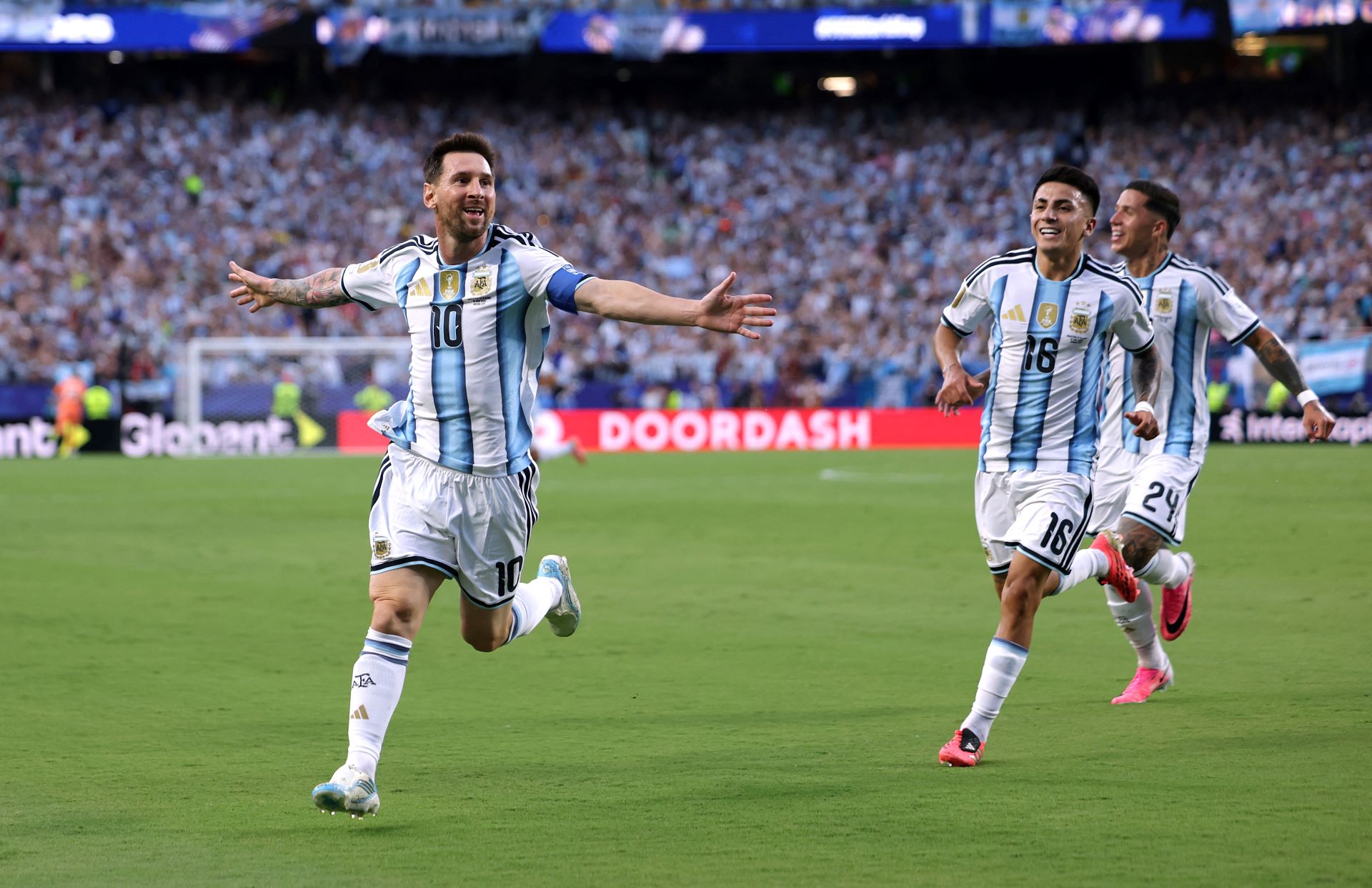
However, several household names have already fired in North America, with Mbappe, Kane, Lionel Messi and Erling Haaland contributing nine goals between them in the first round of games.
Mbappe struck a superb brace in the win over Senegal, while Kane converted a penalty and scored from a corner against Croatia. Haaland registered two predatory finishes in Norway’s 4-1 victory Iraq, and the peerless Messi hit a hattrick against Algeria to join Miroslav Klose as the all-time record World Cup goalscorer (on 16 goals).
Messi’s three goals came from just six attempts and a cumulative xG of 1.05, with the Argentine showcasing his legendary poise and precision in front of goal.
Other big names performed well in the opening round of group stage games too. Vinicius Jr was a rare bright spark for Brazil as they toiled against Morocco, scoring Seleção’s goal with a superb individual effort.
Michael Olise produced a stunning pass for Mbappe’s opener against Senegal, and seemed to thrive in France’s fluid attacking formation. Remember, the Bayern Munich winger registered an astonishing 53 goals involvements in just 52 appearances for the Bavarians, including 22 goals and 31 assists in all competitions.
Even Alexander Isak, who endured a torrid and injury hit season with Liverpool, looked close to his best as Sweden thumped Tunisia 5-1 in Guadalupe. The striker scored an excellent goal and provided two assists at Estadio BBVA, while linking superbly with fellow hitman Viktor Gyökeres.
The obvious exception to this rule was Cristiano Ronaldo, who looked every one of his 41 years as he toiled against DR Congo. He offered very little in or out of possession, while his mere presence as Portugal’s focal point disrupted their attacking patterns and efficiency.
Given that many of his fellow superstars have shone during the first round of fixtures, the focus on Ronaldo’s apparent decline at international level is likely to intensify.
The Last Word - Will the Underdogs Remain Competitive?
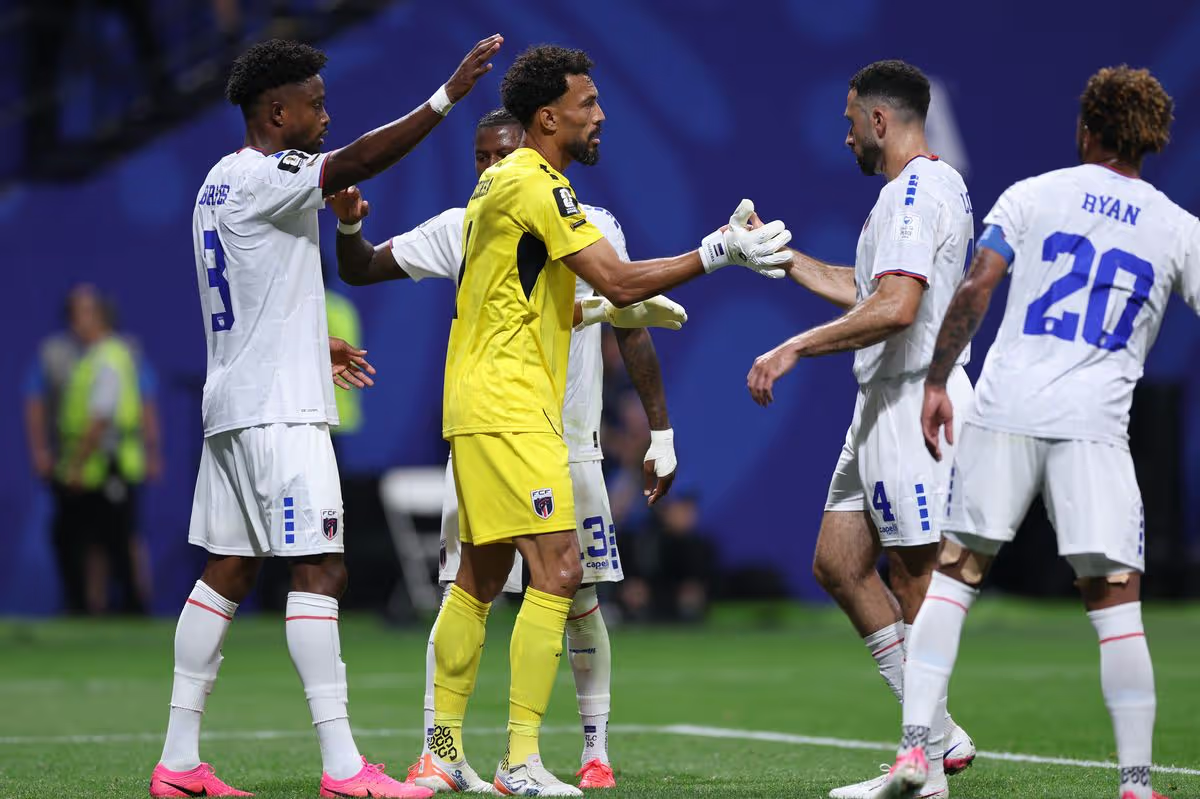
The tournament has also seen a number of surprise results so far, with Cape Verde in particular producing an heroic defensive rearguard in their 0-0 draw with Spain.
DR Congo and Qatar also ground out well deserved points against Portugal and Switzerland respectively. Uzbekistan were highly competitive against a fancied and dynamic Columbia side too, although they ultimately succumbed to a 3-1 defeat.
Counter attacking tactics have proved highly effective so far during the tournament, with possession-based sides often struggling to inject tempo into their play. This may have something to do with the conditions, but the deployment of higher defensive lines is creating a greater foundation from which to recover the ball, launch counter attacks and commit men forward.
This is undoubtedly contributing to an unpredictable and entertaining World Cup, with the so-called minnows performing far better than the sum of their parts. If this continues, we could see a tournament similar to the 2002 iteration, which saw France, Argentina, Portugal and Croatia all exit during the group stage.
It’s still relatively early, of course, but one thing that cannot be disputed is the quality of attacking football and individual performances that we’ve seen so far.
About the Creator
Lewis Humphries
I am a sports and sports betting writer from the UK. I cover multiple sports including football, Formula 1, golf and tennis. My column here will focus mostly on domestic and international football, including tactical insights and news!
Enjoyed the story? Support the Creator.
Subscribe for free to receive all their stories in your feed.
Comments
There are no comments for this story
Be the first to respond and start the conversation.