
Chicago: Gang Culture and Community Intervention
“Protecting the Hood”

Gang culture is most often discussed through the narrow lens of violence, criminality, and social disorder. Headlines rarely pause to examine the deeper historical, economic, and psychological foundations that explain why gangs form, persist, and exercise power within marginalized communities. Yet to understand gang culture honestly—particularly the concept often described as “protecting the hood”—one must look far beyond surface narratives.
In many urban neighborhoods, gangs did not originate as purely criminal enterprises. They emerged as informal survival networks rooted in exclusion, neglect, and the absence of state protection. For generations of young people growing up in disinvested communities, the gang has operated as a substitute family, a security force, and an economic structure. While violence became a defining feature over time, the original impulse was frequently defensive rather than predatory.
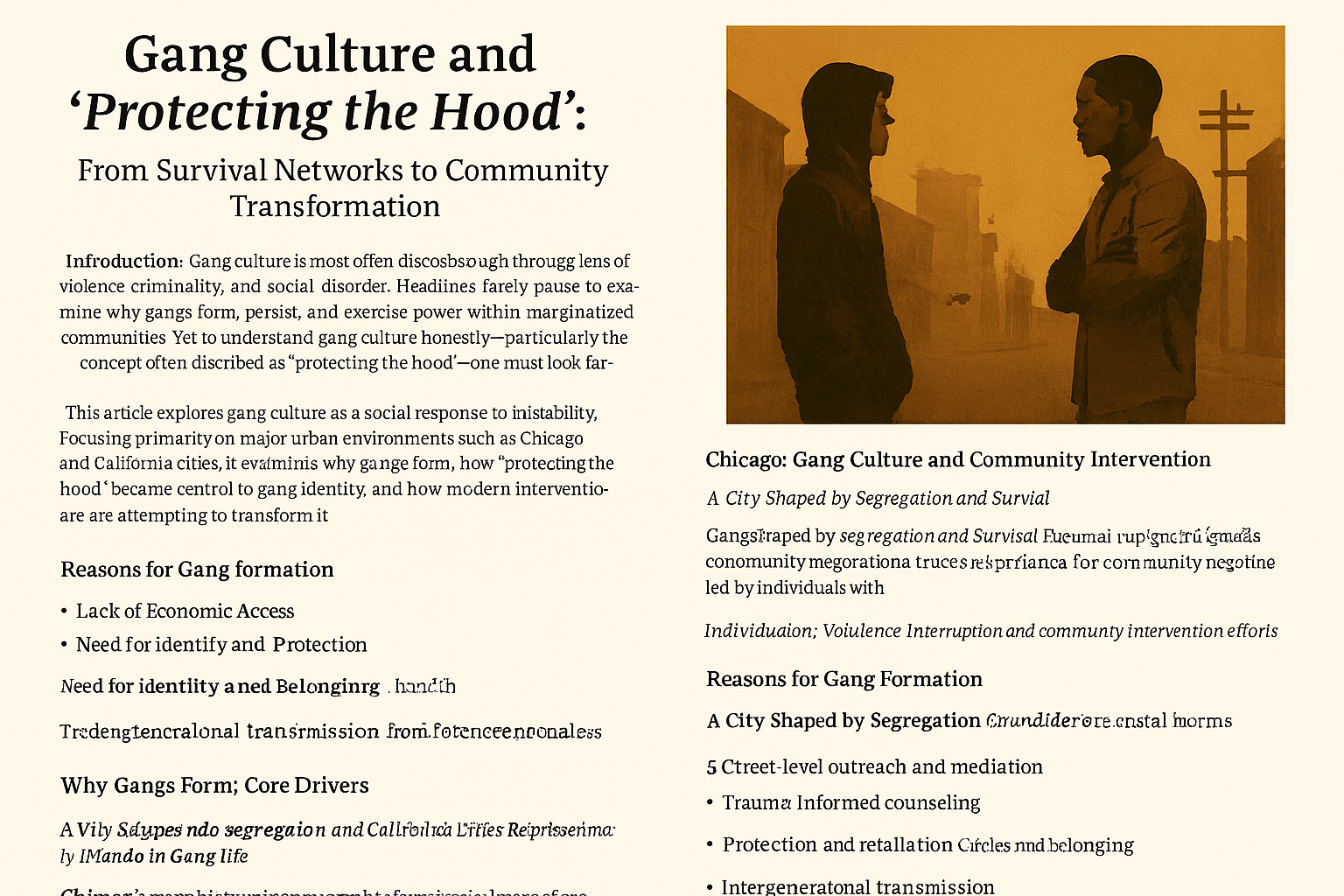
This article explores gang culture as a social response to instability. Focusing primarily on major urban environments such as Chicago and California cities, it examines why gangs form, how “protecting the hood” became central to gang identity, and how modern interventions are attempting to transform that instinct for protection into pathways for empowerment, economic opportunity, and community healing.
Historical Roots of Gang Formation
Structural Neglect and Forced Self‑Reliance
Gangs tend to form where institutions fail. Neighborhoods with chronic underinvestment in schools, housing, employment, health care, and public safety place residents in a constant state of vulnerability. When legitimate means of protection and economic advancement are unavailable, informal systems rise to fill the gap.
In many cities, racial segregation, discriminatory housing policies, and industrial job loss created concentrated pockets of poverty. Entire communities were cut off from economic mobility while simultaneously subjected to aggressive policing. In these environments, young people learned early that protection would likely come from peers rather than institutions.
“Protecting the hood” emerged as both a practical necessity and a moral framework. The neighborhood was not simply a territory; it represented safety, identity, belonging, and collective memory. Defending it from external threats—rival groups, exploitative actors, or hostile authorities—became intertwined with personal honor and loyalty.
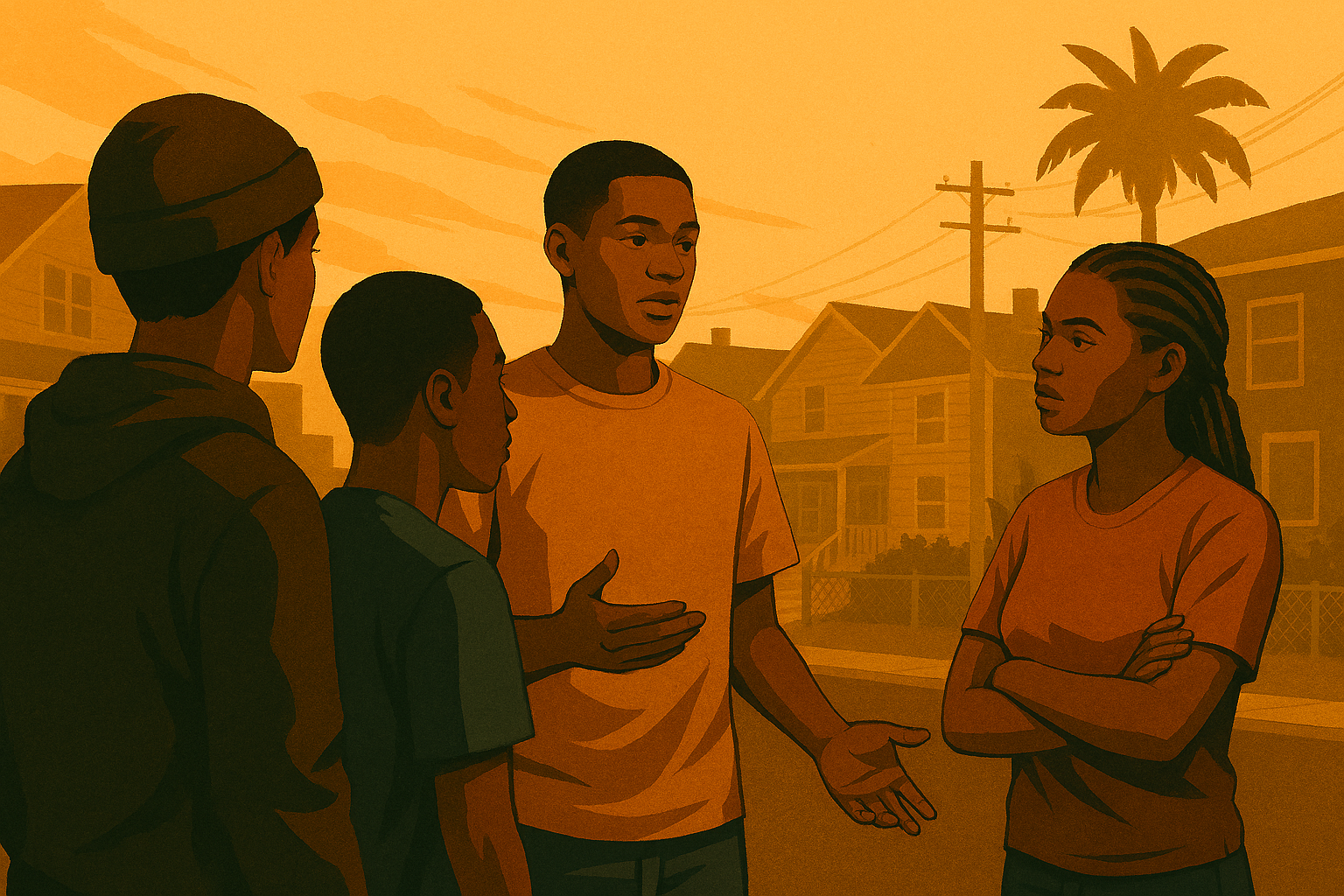
Why Gangs Form: Core Drivers
Although gang dynamics vary across regions, several foundational factors recur consistently.
Lack of Economic Access
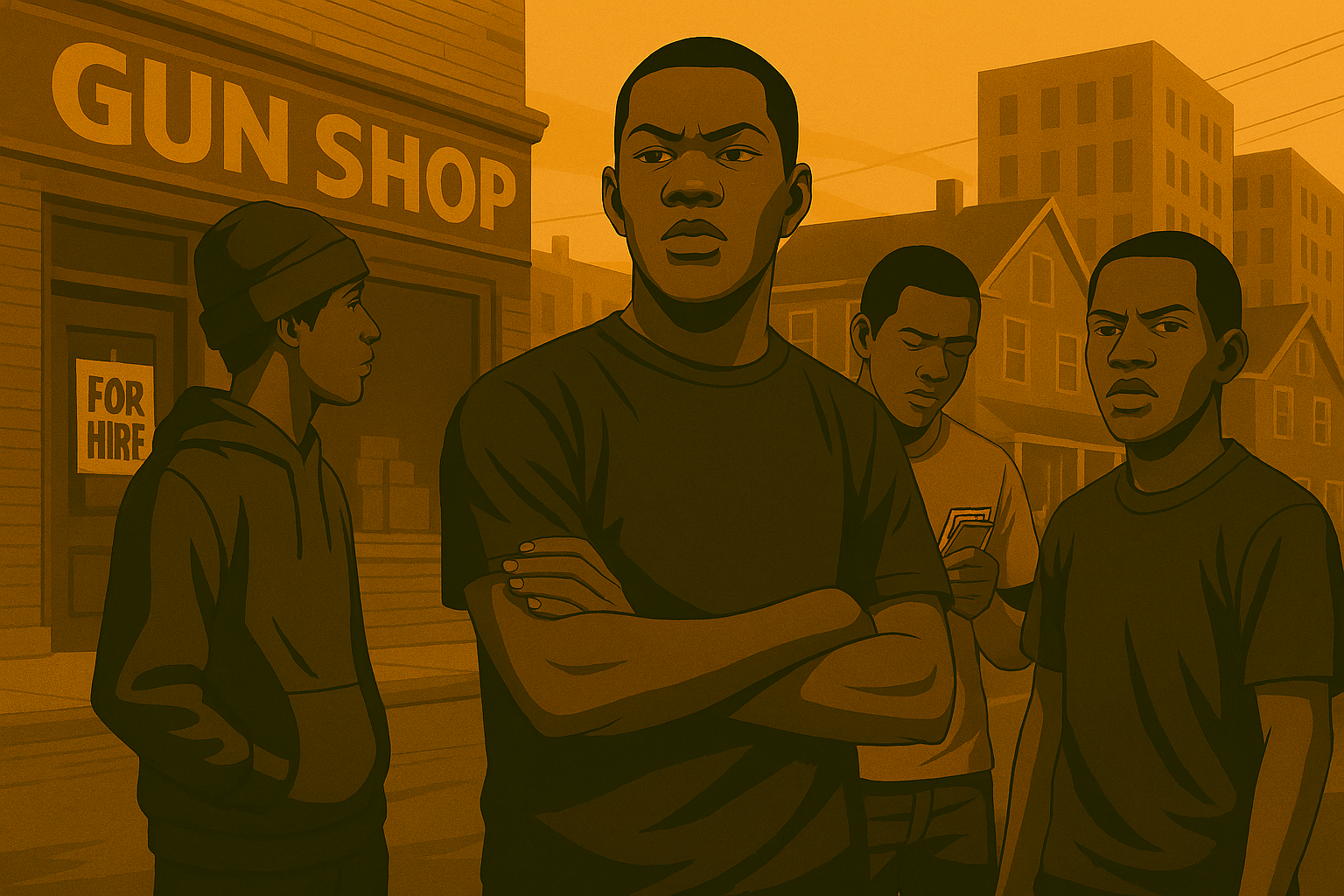
High unemployment accompanies many gang‑affected neighborhoods. With limited access to stable jobs, young people often face stark choices between illegal economies and financial instability. Gangs frequently function as alternative economic systems, offering income, however risky or temporary.
Need for Identity and Belonging
Adolescence is a period of identity formation. In communities where institutions fail to nurture self‑esteem or opportunity, gangs provide structure: names, symbols, rituals, and hierarchies. These elements supply a sense of purpose and belonging often missing elsewhere.
Protection and Retaliation Cycles
When violence becomes normalized, protection evolves into deterrence. Retaliation establishes credibility and prevents future attacks. This logic, while destructive, often feels rational inside environments where vulnerability carries severe consequences.
Intergenerational Transmission
Gang culture frequently spans generations. Children raised in neighborhoods shaped by gang presence absorb the codes, histories, and identities from an early age, making disengagement increasingly difficult without external intervention.
Chicago: Gang Culture and Community Intervention
A City Shaped by Segregation and Survival
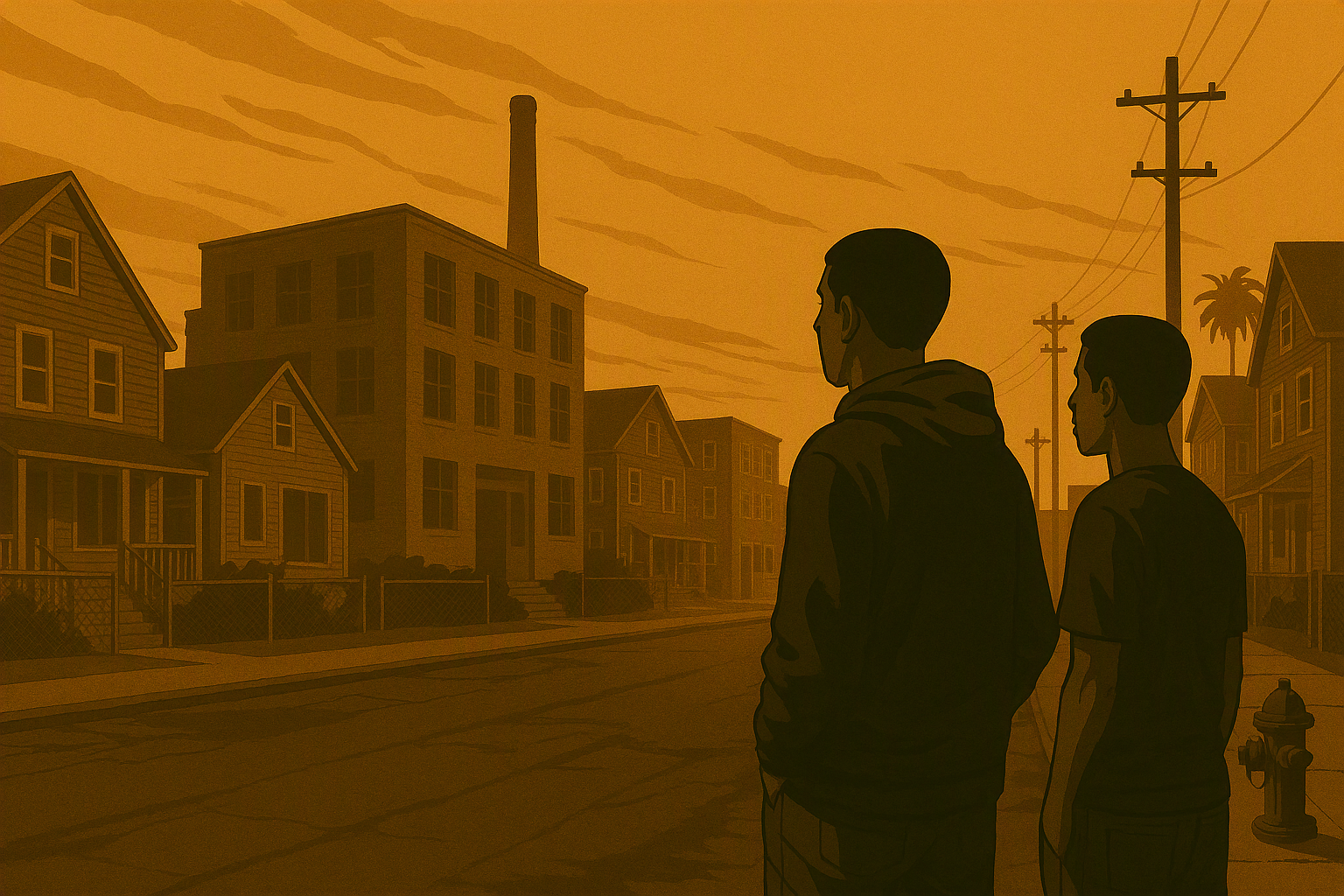
Chicago’s gang history is inseparable from its patterns of segregation, industrial decline, and population displacement. Entire neighborhoods experienced decades of economic abandonment alongside intense law enforcement pressure. Gangs evolved in this vacuum as social, economic, and territorial institutions.
Over time, many organizations grew more structured, controlling blocks, housing complexes, and informal markets. Violence escalated as competition intensified, but the underlying rationale—defending territory, people, and reputation—remained central.
Grassroots Leaders from Within
One of the most important developments in Chicago has been the rise of violence interruption and community intervention efforts led by individuals with lived experience in gang life. These leaders understand local dynamics not through academic distance, but through personal history.
Former gang‑involved individuals often possess unmatched credibility. They can mediate conflicts, recognize early warning signs, and intervene before disputes escalate into lethal violence. Their work reframes protection away from retaliation and toward preservation of life.
Community‑Based Intervention Models
Chicago’s modern approach increasingly blends:
Street‑level outreach and mediation
Trauma‑informed counseling
Workforce readiness and job placement
Youth mentorship through arts, sports, and education

Rather than treating violence as an isolated moral failure, these programs recognize it as a symptom of cumulative trauma and exclusion.
Community Events as Moral Reset
Large-scale peace marches and neighborhood ceasefire weekends represent attempts to reset social norms. By mobilizing residents, faith leaders, families, and former rivals, these actions publicly challenge the assumption that violence is inevitable. Even temporary pauses save lives and create openings for dialogue.
California: Truces, Treaties, and Transformation
The Power of Negotiated Peace
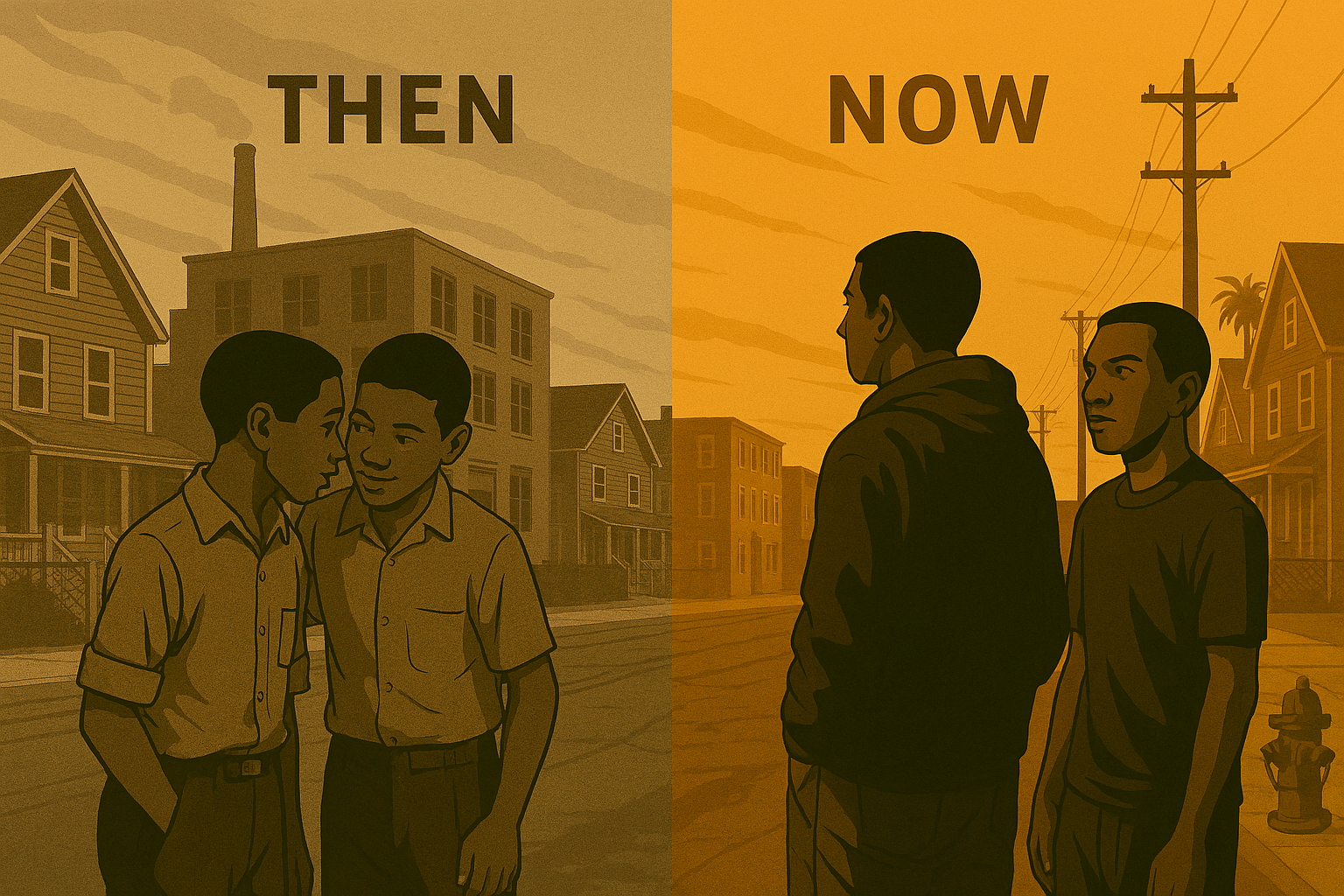
California offers some of the most notable examples of community‑negotiated truces. The early 1990s saw groundbreaking ceasefires where rival groups collectively agreed to halt violence. These agreements did not emerge from law enforcement mandates but from grassroots negotiation led by respected figures within the community.
The immediate results were dramatic reductions in shootings and homicides, demonstrating that violence is not an unstoppable force—it is a social condition susceptible to intentional change.
Prevention Over Punishment
California also became a testing ground for prevention‑centered strategies that emphasize education, family support, and early intervention over mass incarceration. While enforcement remains part of the system, there has been growing acknowledgment that punishment alone cannot address the roots of gang involvement.
Culture, Art, and Narrative Change
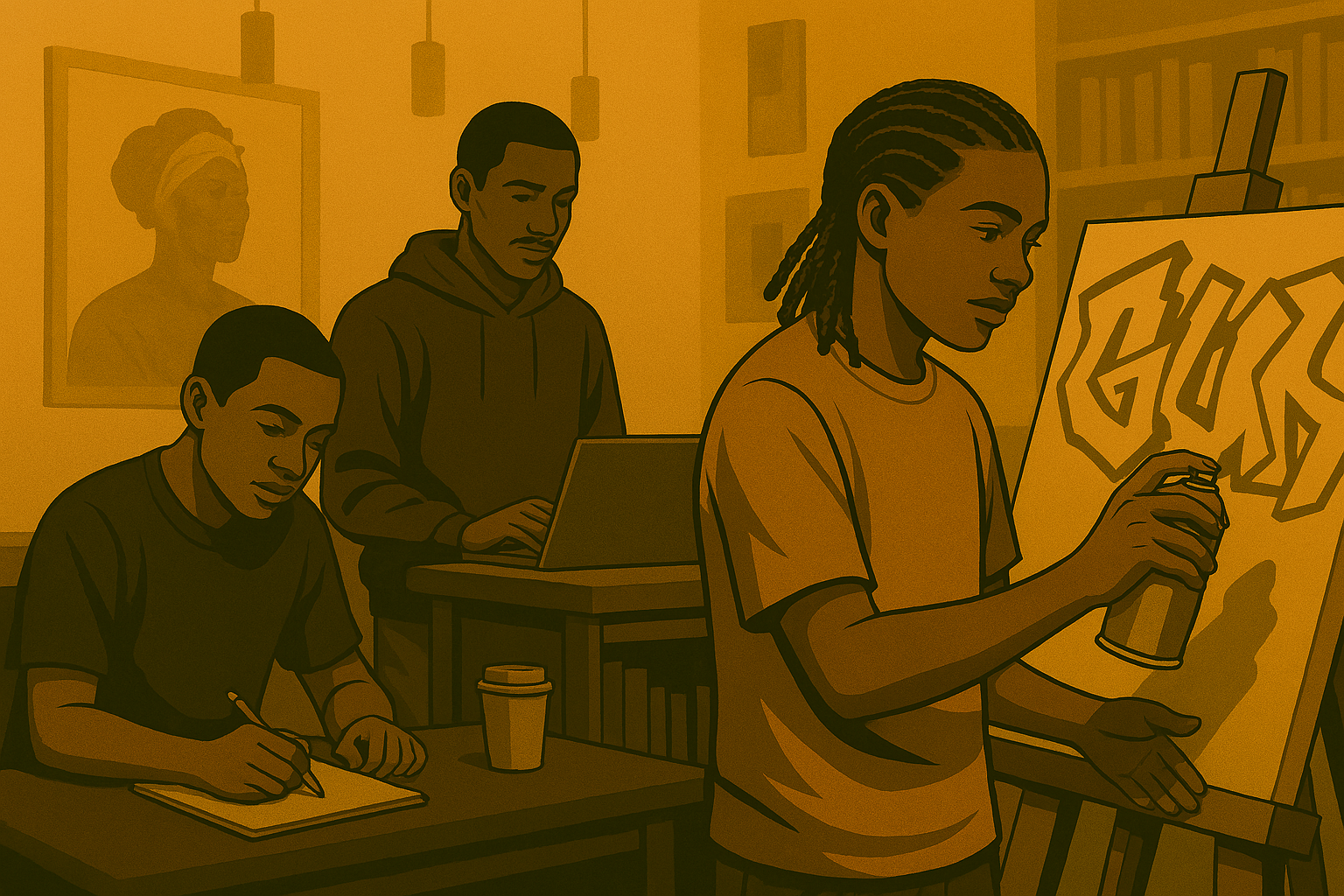
California’s interventions place strong emphasis on cultural identity and storytelling. Former gang members turned writers, artists, and educators help young people reinterpret their experiences. By reclaiming cultural pride and personal narrative, individuals begin to imagine identities beyond violence.
Families, Children, and the Hidden Toll
Families Caught in the Middle
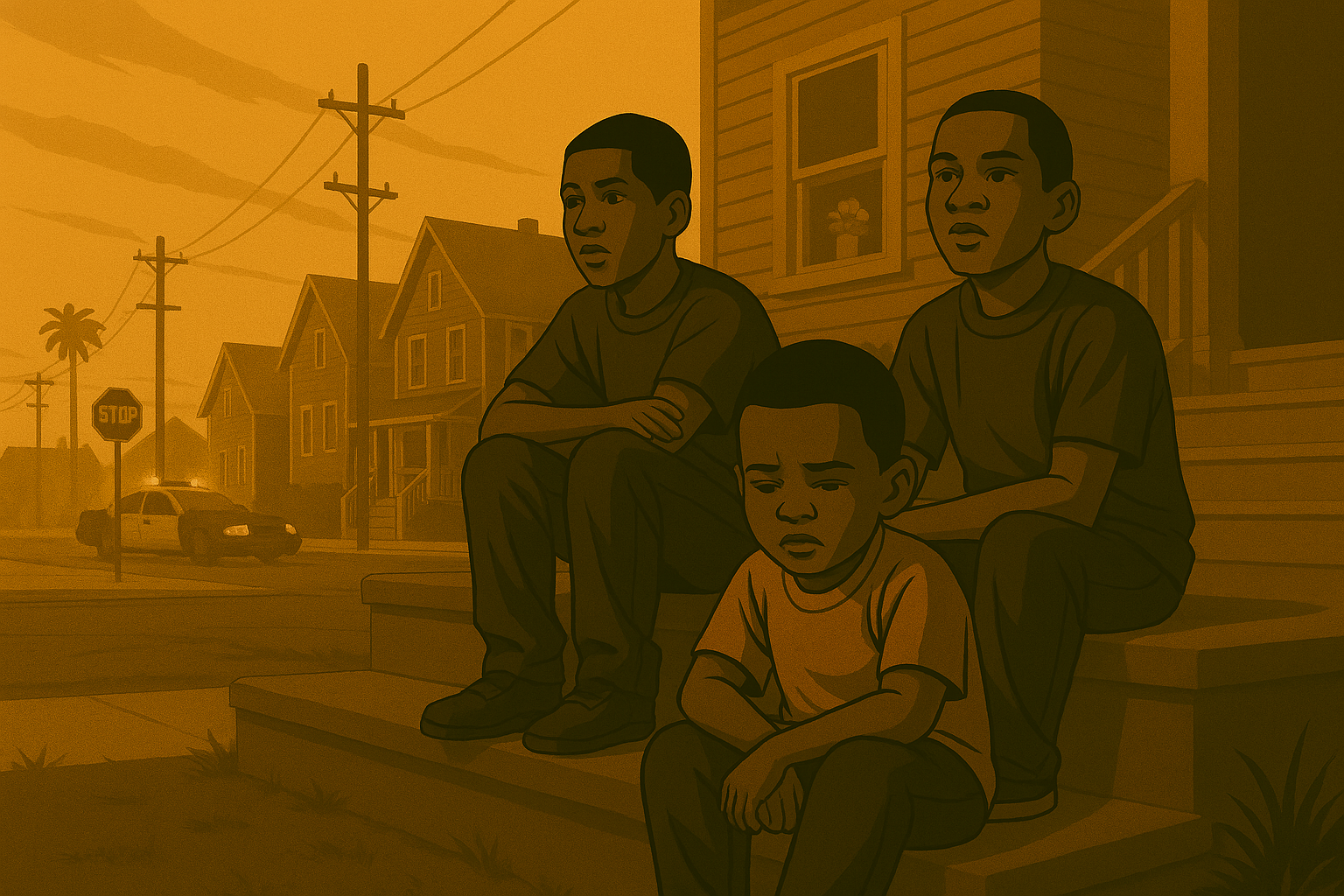
Families living in gang‑affected neighborhoods experience constant psychological strain. Parents must balance protecting children with allowing independence. Children grow up navigating invisible lines, learning early where they can and cannot walk.
The trauma is cumulative. Exposure to violence—direct or indirect—shapes behavior, emotional regulation, and worldview. Without intervention, cycles repeat.
Children as the Silent Stakeholders
Children often internalize gang realities before they understand them. Sirens, memorials, and fear become normalized. Many youth interventions now focus on early childhood support, recognizing that prevention must begin long before adolescence.
Turning Protection into Empowerment
The instinct to protect—to defend one’s community, family, and identity—is not inherently destructive. The challenge is redirecting that impulse away from violence and toward constructive empowerment.
Violence Interruption
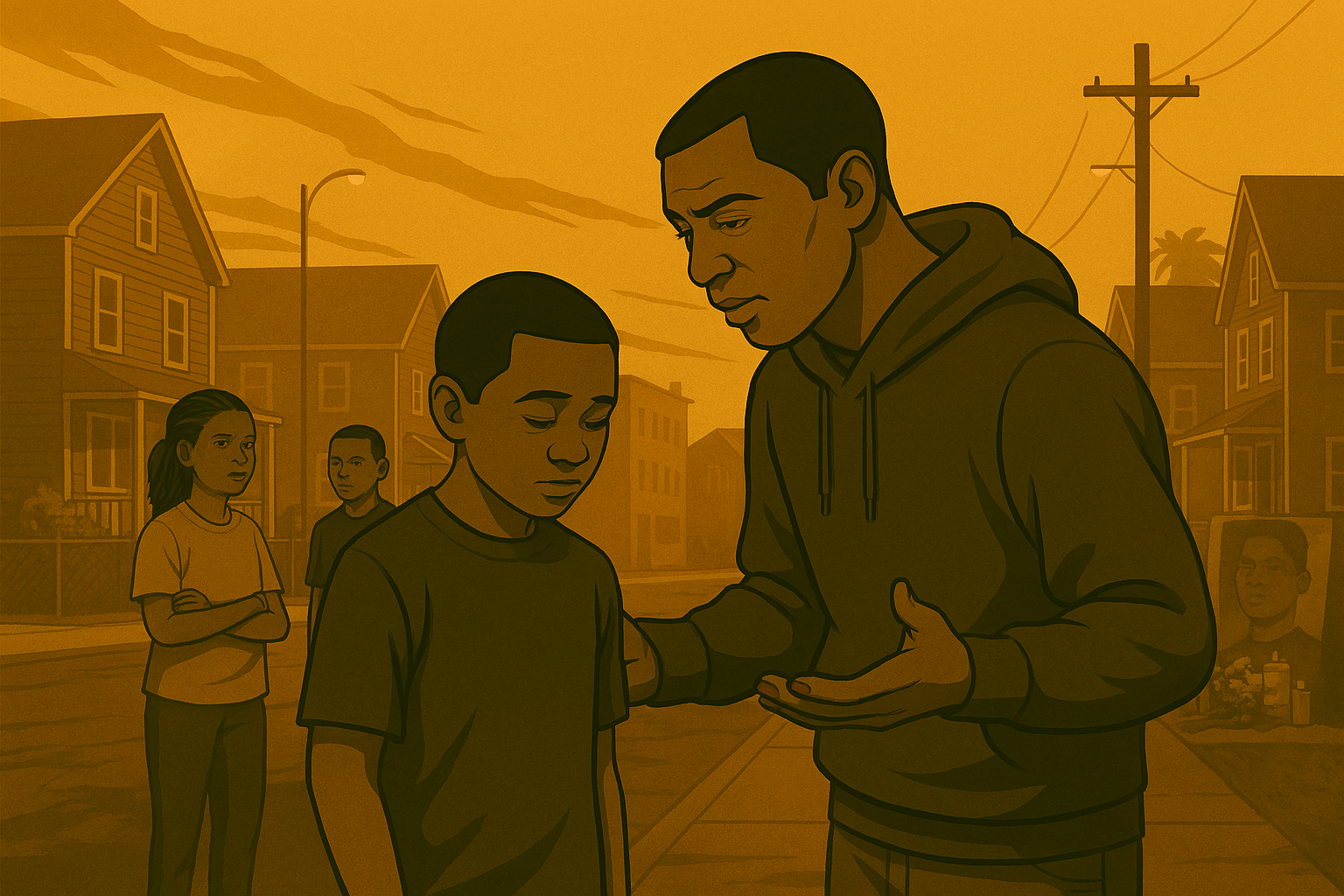
Trained mediators intervene directly in conflicts, leveraging personal relationships to de‑escalate before harm occurs. This model reframes strength as restraint rather than aggression.
Economic Development
Job training, entrepreneurship, and skill‑building initiatives offer alternatives to illegal economies. When individuals see legitimate pathways to stability, the risk‑reward calculation shifts.
Cultural Pride and Expression
Art, music, storytelling, and heritage programming allow young people to express identity without violence. Culture becomes a bridge rather than a battleground.
Leadership Development
Formerly marginalized individuals are trained as mentors, organizers, and advocates. This transforms lived experience into civic leadership.
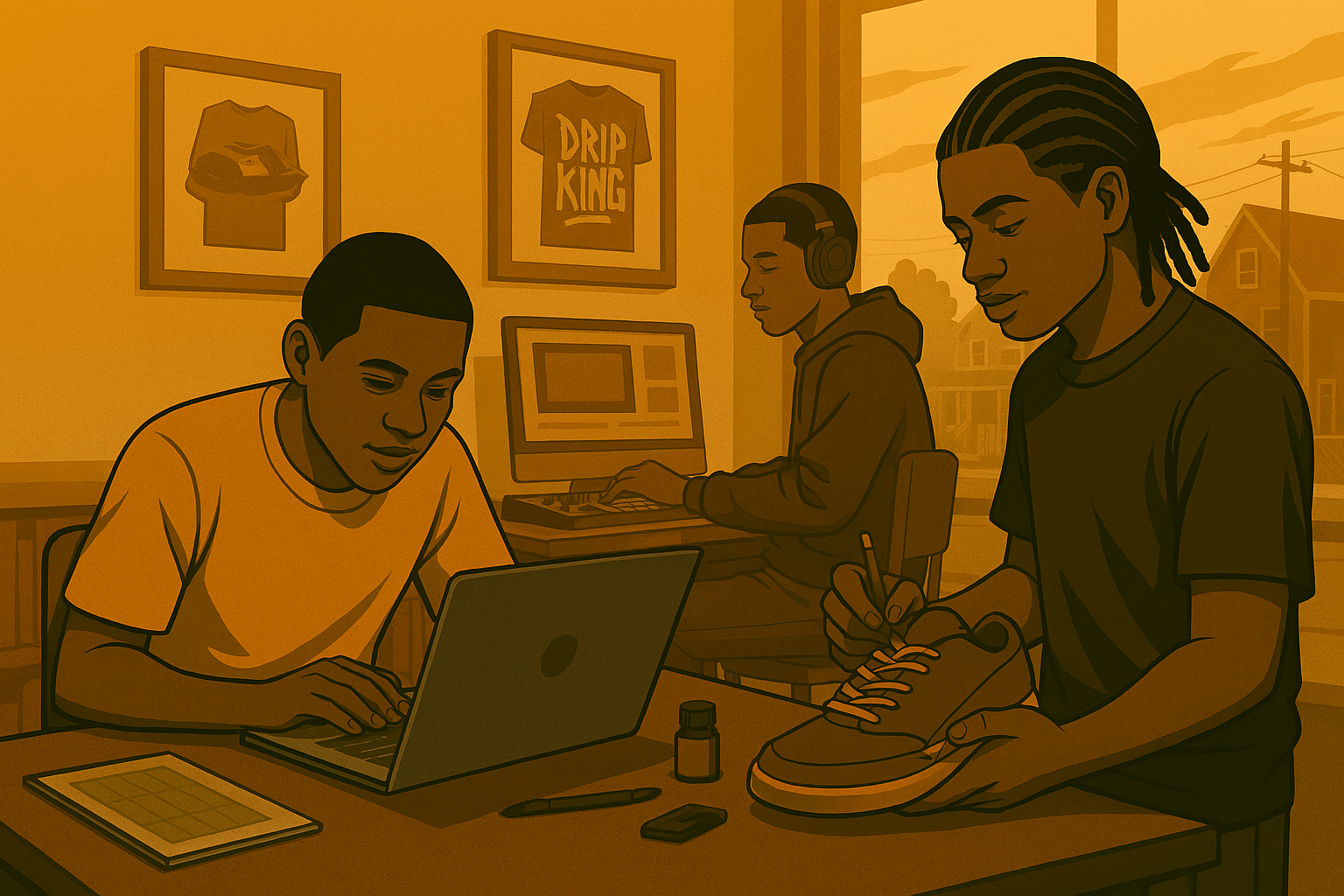
Small Business Pathways for Youth
Economic empowerment plays a critical role in reducing gang involvement. Small businesses offer autonomy, creativity, and income. Popular youth‑driven ventures include:
Online retail and resale
Digital media creation
Graphic design and branding
Mobile service businesses
Clothing and streetwear lines
Music production and audio services
Fitness, wellness, and nutrition services
Care‑based services such as pet care or tutoring
These ventures provide legal income while reinforcing self‑worth and community investment.
Reframing “Protecting the Hood”
True protection is not silence in the face of harm, nor retaliation as policy. It is ensuring that children can grow without fear, that families can thrive without grief, and that neighborhoods can define themselves beyond survival.
The future of communities affected by gang culture depends on honest recognition of historical harm, sustained investment in people, and respect for local leadership. Protection, when aligned with empowerment, becomes a force for healing rather than destruction.
Conclusion: From Survival to Self‑Determination
Gang culture cannot be addressed through simplistic narratives or force alone. It is a complex social response to exclusion, shaped by history, economics, and identity. The concept of “protecting the hood” reveals a deep desire for dignity and safety—one that has too often been met with neglect.
When communities are given resources, respect, and voice, protection evolves naturally into stewardship. The transformation underway in cities like Chicago and across California offers a powerful lesson: sustainable peace grows not from fear, but from opportunity, trust, and collective care.
About the Creator
Press Release
I was born and raised in Chicago but lived all over the Midwest. I am health, safety, and Environmental personnel at the shipyard. PLEASE SUBSCRIBE to my vocal and check out my store
Enjoyed the story? Support the Creator.
Subscribe for free to receive all their stories in your feed.
Comments
There are no comments for this story
Be the first to respond and start the conversation.