

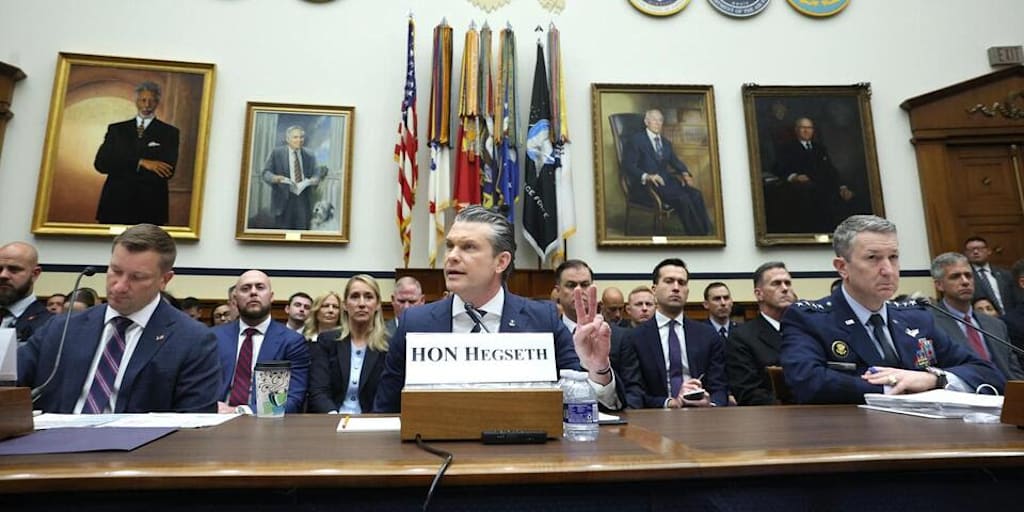
The ongoing conflict involving Iran has rapidly emerged as one of the most consequential military engagements of the decade in terms of cost, logistical strain, and long-term strategic impact. Estimates from defense finance officials place the direct cost of operations at approximately $25 billion to date, a figure that has sparked debate, raised concerns about sustainability, and fueled broader questions about the true financial and strategic price of modern warfare.
While the estimate provides a snapshot of expenditures so far, many defense analysts and lawmakers argue that the figure represents only a partial accounting. Modern military conflicts impose costs well beyond the immediate deployment of weapons systems. Personnel rotations, global force posture adjustments, equipment wear, intelligence operations, and long-term readiness depletion all contribute to financial and strategic burdens that are often underestimated in early cost tallies.
What the $25 Billion Figure Represents — and What It Does Not
The $25 billion estimate is widely understood to reflect direct operational expenses, particularly the use of advanced munitions, missile defense systems, and air and naval assets. High-cost systems such as missile interceptors, precision-guided munitions, and naval strike capabilities account for a disproportionately large share of expenditures during the opening phases of high-intensity conflict.

However, direct munitions use is only one component of wartime spending. The cost of deploying and sustaining tens of thousands of personnel across multiple theaters, maintaining readiness levels elsewhere in the world, and absorbing long-term equipment depreciation is rarely captured in early estimates. Fuel consumption, aircraft maintenance cycles, spare parts replacement, and logistics support alone can add billions over time.
In addition, the opportunity cost of diverted forces—ships, aircraft, and missile defense systems that are unavailable for other regions—represents a strategic expense that is difficult to quantify but highly consequential.
The Strain on Global Munitions Stockpiles
One of the most pressing issues highlighted by the conflict is the depletion of critical munitions stockpiles. Modern missile defense and strike systems are extraordinarily expensive to produce and require long lead times. Interceptors used to counter ballistic and cruise missile threats can cost millions of dollars per unit, and production capacity cannot be expanded overnight.

Defense planners have long warned that the industrial base lacks the surge capacity needed for prolonged high-end conflict. The Iran engagement has reinforced those concerns. Even a relatively contained war can rapidly exhaust inventories that were built with assumptions of limited use rather than sustained combat.
This depletion creates secondary strategic risks. Reduced stockpiles limit deterrence in other regions, particularly in areas where peer or near-peer competitors are closely watching U.S. capacity and response times. The pressure to replenish inventories quickly often collides with supply chain constraints, workforce shortages, and budgetary ceilings.
Budgetary Implications and the $1.5 Trillion Defense Request
The conflict has unfolded against the backdrop of a historically large defense budget request totaling approximately $1.5 trillion. While this figure reflects inflation, modernization efforts, and existing global commitments, the war’s costs risk crowding out other priorities.
Increased expenditures on munitions replenishment and force sustainment may delay modernization programs, shipbuilding timelines, or research initiatives designed to address emerging threats. Defense budgeting is intrinsically a zero-sum exercise: funds allocated to immediate conflict needs are unavailable for long-term capability development.

Moreover, supplemental funding requests—often used to address unforeseen conflict costs—can obscure the true price of war. When expenses are separated from baseline budgets, accountability and long-term planning suffer. Over time, this practice erodes transparency and complicates congressional oversight.
Personnel Costs and Operational Fatigue
Beyond equipment and finances, human factors play a critical role in assessing the cost of war. Sustained deployments strain military personnel and their families, contributing to burnout, retention challenges, and readiness degradation.
Extended operations increase reliance on reserve components, disrupt training cycles, and compress dwell times between deployments. These pressures can have cascading effects, reducing the effectiveness of forces even after a conflict ends.

Healthcare costs associated with deployments, including treatment for injuries and long-term conditions, often emerge years later. Historically, post-conflict care has exceeded initial projections by wide margins, indicating that current cost estimates may significantly understate future obligations.
Strategic Ripple Effects and Deterrence Calculations
The Iran conflict has also reshaped strategic calculations globally. Adversaries and allies alike assess not only battlefield outcomes but also economic stamina. A nation’s willingness and ability to absorb prolonged costs influences deterrence credibility.
When munitions stockpiles decline and industrial capacity struggles to keep pace with demand, adversaries may perceive windows of opportunity. Conversely, visible efforts to expand production, streamline procurement, and sustain operations can reinforce deterrence even amid conflict.
However, signaling resolve through spending alone carries risks. Escalation dynamics, miscalculation, and the normalization of high-cost engagements can entrench a cycle of reactive budgeting rather than deliberate strategy.

Questions About Transparency and Oversight
Disagreements over the $25 billion estimate underscore enduring tensions between defense planners and oversight bodies. Lawmakers and analysts stress the importance of comprehensive accounting that includes not only weapons expended but also the full scope of operational, logistical, and strategic costs.
Transparent cost reporting is essential for informed decision-making. Underestimating expenses can lead to policy choices that lack sustainability, while overreliance on optimistic projections risks future readiness.
Independent assessments, audits, and public reporting play a critical role in maintaining trust and ensuring that military engagements align with national interests and fiscal realities.

Long-Term Readiness and Industrial Base Expansion
The conflict has accelerated calls to revitalize the defense industrial base. Expanding production capacity for critical munitions, shipbuilding, and advanced systems requires sustained investment, regulatory reform, and workforce development.
Yet expanding capacity is not simply a matter of funding. It involves long-term contracts, predictable demand signals, and coordination with private industry. Short-term surges followed by abrupt drawdowns discourage investment and worsen bottlenecks.
A lasting response to the conflict’s lessons may therefore require structural reform rather than episodic spending increases.
Conclusion: Measuring the True Cost of War
The estimated $25 billion spent so far in the Iran conflict offers only a partial lens into its true cost. Modern warfare imposes immediate financial burdens alongside long-term strategic, human, and industrial consequences that unfold over years or decades.

As debates continue over budget priorities, military strategy, and national security objectives, the conflict serves as a reminder that the real price of war cannot be captured by a single number. Comprehensive accounting, transparency, and strategic discipline will be essential in determining whether the conflict strengthens national security—or leaves enduring vulnerabilities in its wake.
About the Creator
Press Release
I was born and raised in Chicago but lived all over the Midwest. I am health, safety, and Environmental personnel at the shipyard. PLEASE SUBSCRIBE to my vocal and check out my store
Enjoyed the story? Support the Creator.
Subscribe for free to receive all their stories in your feed.
Comments
There are no comments for this story
Be the first to respond and start the conversation.