
The History of Video Games
From Pixels to Photorealism


Video games are now one of the most influential and profitable forms of entertainment, shaping global culture and technology. What began as simple experiments in the mid-20th century has grown into a multi-billion-dollar industry with immersive worlds, competitive esports, and interactive storytelling. Let’s trace the journey from the earliest prototypes to the cutting-edge experiences of today.
The Origins: 1950s–1970s
The earliest electronic games emerged in research labs and universities, long before they were commercial products. In 1958, physicist William Higinbotham created Tennis for Two on an oscilloscope — a primitive but groundbreaking interactive display.
In 1962, MIT students developed Spacewar!, a space combat game that became popular on university mainframes.

The industry’s first big leap came in 1972 with Atari’s Pong, an arcade table-tennis simulation that sparked the golden age of arcade games. Home gaming soon followed, with consoles like the Magnavox Odyssey (1972) bringing interactive entertainment to living rooms for the first time.
The Golden Age of Arcades: Late 1970s–1980s
The late 1970s to mid-1980s saw explosive growth in arcade gaming. Titles such as Space Invaders (1978), Pac-Man (1980), and Donkey Kong (1981) became cultural icons. These games were simple in graphics but endlessly replayable, relying on skill-based gameplay.
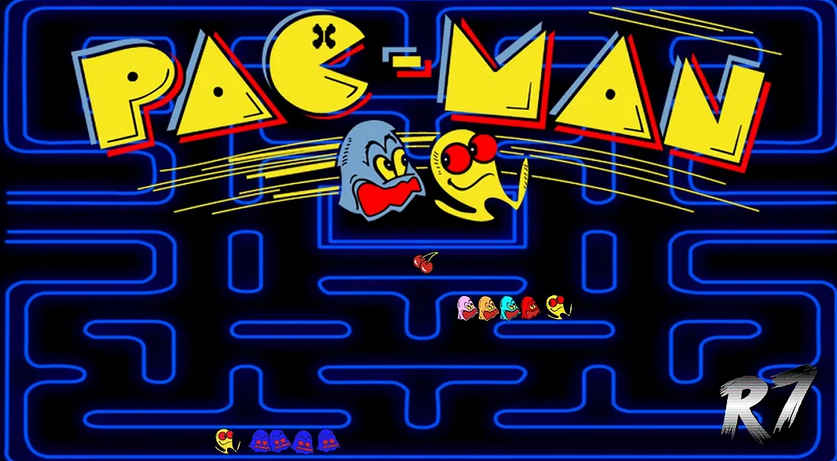
Home consoles also advanced, with the Atari 2600 (1977) allowing players to swap cartridges and enjoy a variety of games. However, the market became oversaturated, leading to the 1983 video game crash in North America.
Recovery and the Nintendo Era: Mid-1980s–1990s
Nintendo revitalized the industry in 1985 with the release of the Nintendo Entertainment System (NES) and classics like Super Mario Bros. and The Legend of Zelda. Sega emerged as a major rival, with the Sega Genesis introducing faster gameplay and iconic characters such as Sonic the Hedgehog.
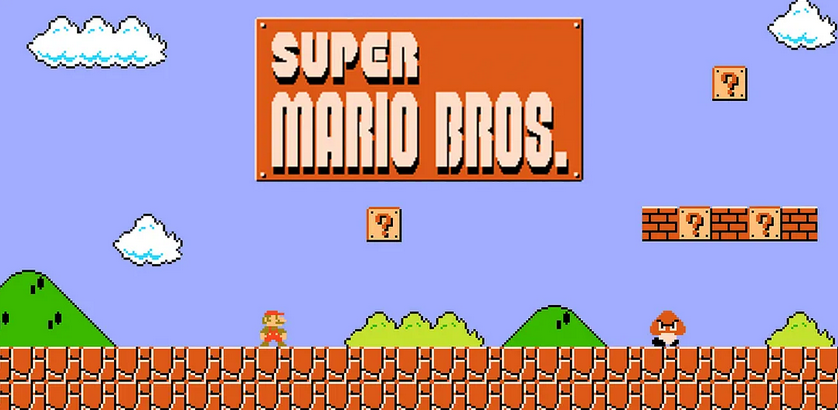
The 1990s brought 16-bit graphics, more complex storytelling, and the rise of handheld gaming, led by the Game Boy and Pokémon. The decade also saw the arrival of Sony’s PlayStation and the introduction of 3D graphics with games like Final Fantasy VII and Metal Gear Solid.
The Rise of 3D and Online Play: 2000s
With consoles like the PlayStation 2, Xbox, and Nintendo GameCube, 3D gaming became the norm. Genres expanded, narratives grew richer, and cinematic presentation became a selling point.
Broadband internet transformed gaming through online multiplayer — Halo 2, World of Warcraft, and Counter-Strike connected millions worldwide.
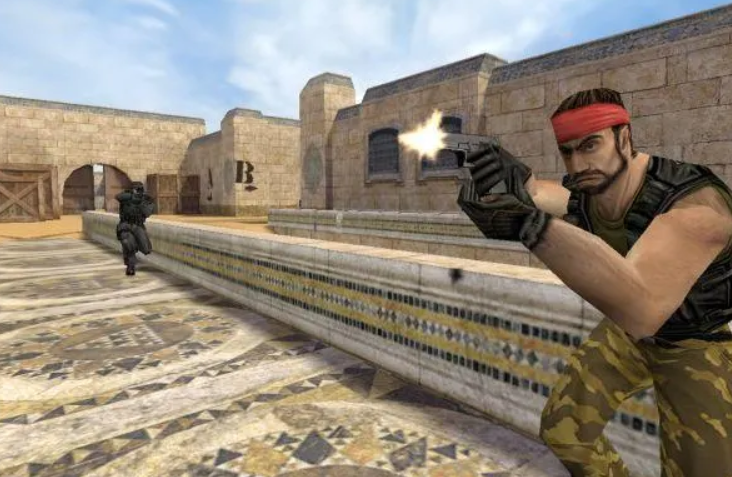
This period also marked the birth of digital distribution, with platforms like Steam changing how games were bought and played.
The Modern Era: 2010s–Today
The last decade has seen stunning leaps in realism, from open-world epics like The Witcher 3 to competitive esports phenomena like League of Legends and Fortnite. Virtual reality (VR) and augmented reality (AR) have introduced new ways to play, while indie developers have thrived with creative, low-budget hits like Undertale and Stardew Valley.

Gaming has also become deeply social — streaming platforms like Twitch, cross-platform play, and global esports tournaments have made video games a shared cultural space.
From the blips of Pong to the lifelike landscapes of modern blockbusters, video games have evolved into a diverse medium that blends art, technology, and storytelling. As innovations like AI-driven game worlds and cloud gaming emerge, the future promises even more revolutionary experiences.
About the Creator
Enjoyed the story? Support the Creator.
Subscribe for free to receive all their stories in your feed.
Comments