
The Company of Judas (chapter 2)
Judas made the decision to take his own life while he was at the Temple.
(c) copyright 2026, David Albert Farmer
Chapter 2
Desperate Eyes
“When Judas, Jesus’ betrayer, saw that Jesus was condemned he repented and brought back the thirty silver coins to the chief priests and the elders. He said, ‘I have sinned by betraying innocent blood.’ But they said, ‘What is that to us? See to it yourself’ Throwing down the pieces of silver in the Temple Judas departed; and he went and hanged himself” (Matthew 27:3-5 New Revised Standard translation).
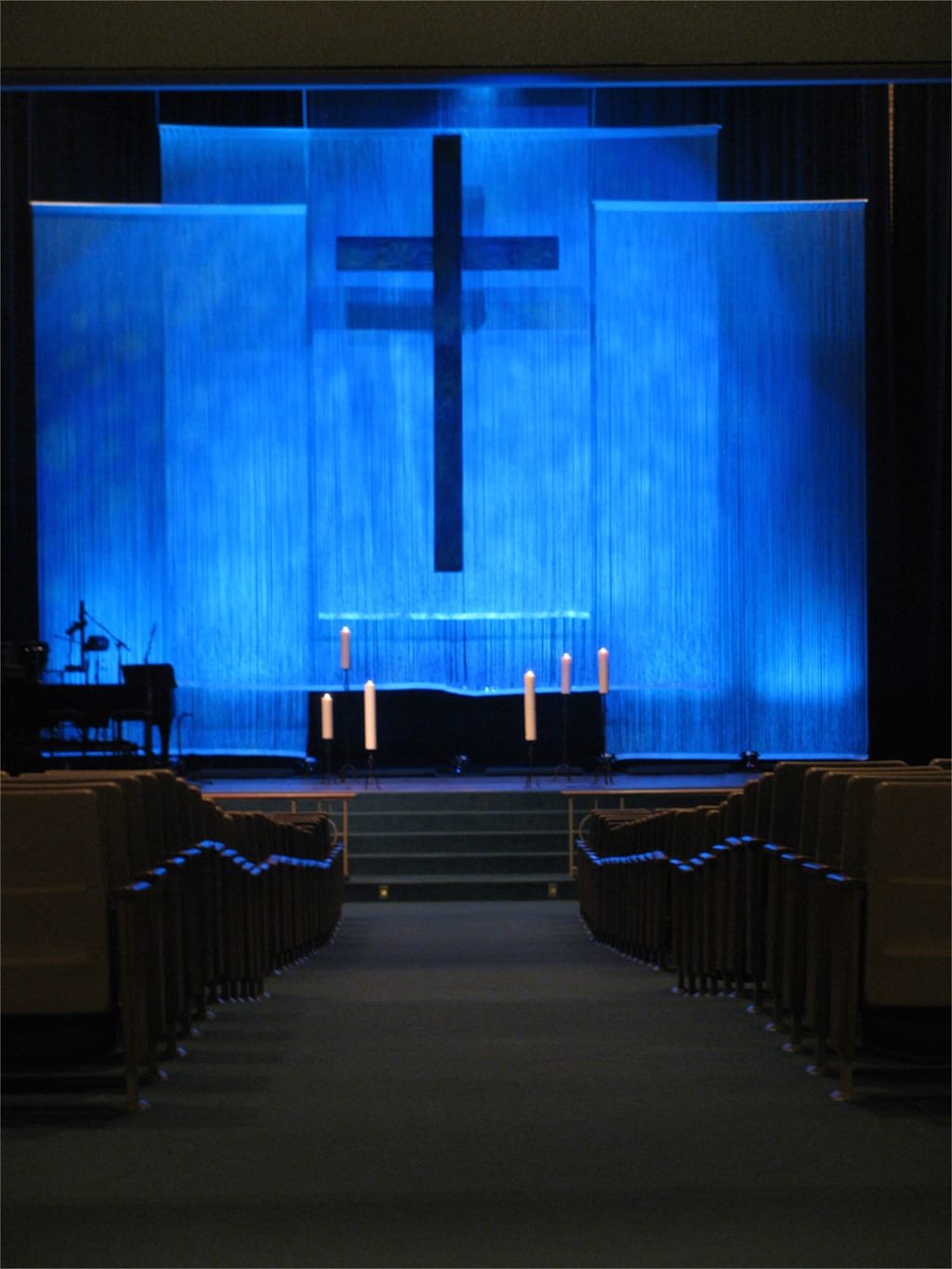
Baptismal services at Sow and Reap were especially meaningful—moreso after the iron cross had been placed in the baptistry, a gift from a Mercer University professor of art who’d come north from Macon and teach sculpture courses and workshops every summer for as long as anyone could remember. Even after he retired and wouldn’t bother teaching anybody wanting academic credit, he came to Blue Ridge June to August for the workshops.
One of the last summers Professor Jameson Powell had been able to get up there, he and some alums who found excuses to come back every summer joined him in sculpting this cross. Once completed, he offered it as an appreciation gift to the church for the many kindnesses they’d shown him every summer he’d been there, beginning long before the gays outnumbered the straights around Blue Ridge during summer months.
Prof Powell had hardly become a fixture at Sow and Reap’s worship services any summer he was in town, but he showed up often enough to be known and to benefit from good love-in-action preaching and the warmth the members, most of them, shared with each other and just as enthusiastically with non-members.
The congregation happily accepted the gift of Prof’s iron cross, placed it in the baptistry, and used it as encouragement to sing at every baptismal service thereafter the hymn, “Beneath the Cross of Jesus.” Prof had only gotten to see one of those services before he and his partner, Harris Rutherford, gave up traveling any distance at all from their remarkable Macon home. But he never forgot the stirring continuity of everything in that service—what was spoken, seen, and sung as a young father stepped into the baptistry and under Prof’s cross spoke out as loudly as he could, “I can’t not follow Jesus.” Alt immersed him as the singing began.
“Beneath the cross of Jesus…” (the regulars knew it all by heart)
“…I fain would take my stand, The shadow of a mighty rock within a weary land. A home within the wilderness, a rest upon the way. From the burning of the noontide heat. And the burden of the day.”
“Upon the cross of Jesus Mine eyes at times can see. The very dying form of one who Who suffered there for me. And from my stricken heart with tears. Two wonders I confess, The wonders of redeeming love, And my unworthiness.”
Though Prof never bought into the ideas that God caused, wanted, or allowed Jesus’ death on a Roman cross, or that God wanted anybody to feel unworthy, he knew that Jesus had sacrificed himself in love for outcasts to a Rome demanding he shut up about his God—more powerful than its divine emperor. Prof wept silently as he looked at the cross he and his students had crafted, hearing the words to the hymn and imagining an unjustly rejected Jesus hanging there.
Prof identified with victims of all hatreds since he had been an outcast most of his life. And though Jesus had not been able to save him from Southern-fried hatred, followers of Jesus at Sow and Reap had shown Prof, during those Blue Ridge summers, a God who loved him as he was. There was something to that for sure.
Turner was undone that someone had been hung right there in the baptistry—looked like a man the best he could see at first with the few lights he’d turned on beaming down on the rope slung over Prof’s tall iron cross holding a limp body. Turner became certain it was a man hanging there the closer he got to the tableau, hung by his neck over the ostensibly sacred waters of baptism.
Yelling, “Hey! Hey!” at the top of his lungs, though no one heard, the young clergy trainee hadn’t planned to run into anyone, especially in a state of “deceasedness,” a word he sort of coined on the spot. Panicked at what he saw, Turner also felt ill-equipped to act in a pastoral role even though he was wearing a clerical collar (prematurely since his ordination wasn’t yet official). Turner liked the feel of it snug and starched against his Adam’s apple when he preached.
Admittedly, wearing it atop a hole-y Boston School of Theology tee exposing parts of his back and chest didn’t enhance his inner clergy identity confirmation. Worse, the collar and tee were paired with some Spandex gym shorts his mother reminded him called undue attention to his privates, making angels blush; and just because he was wearing them into a church won him no concessions from God, she was sure. The only way he was able to get away from that conversation and out the door had been asking Moms what God thought of old men wearing absurdly snug bikini-brief trunks and church ladies, young and old, wearing butt-cheek-reveal bathing suits to church pool parties.
Turner, moving hesitantly and slowly as if heavy weights had been placed in his Hokas, was finally right at the baptistry, still yelling intermittently, hoping against hope the man might have some life left in him. Finally, he was close enough to see the tuft of white hair and then, nearly stopping his racing heart, the wide open eyes of Brother Alt.
“Jesus Christ! Lord have mercy! Help him, God! Don’t let him be dead! Help! Help! Anybody! Brother Alt, don’t you be dead now. We love you; you can’t leave us!”
Turner didn’t want to look into Alton’s eyes; he had a hunch there’d be a message there much too painful and confidential to be shared with him. He wasn’t supposed to be the one to find the pastor with so much love to share wearing what he almost always wore outside the pulpit—shiny black pants and a white button-up shirt, collar open and sleeves rolled up.
Every time Turner tried to look at Brother Alt’s face—with fear-filled, pain-filled, energy-depleted eyes—he felt as if the eyes stared right back at him, like those paintings of Jesus and Elvis on black velvet you’d see for sale at the county fair and in the homes of lots of the locals. All of this happened in a blur.
Turner knew he had to get help, but the only phone in the building was locked in the office to which he had no access. He’d have to drive ten minutes to get to Rest Haven Mountain Lodge or the A & W Root Beer drive-in where there would be a phone from where someone could call Sheriff Reynolds. Leaving would mean, he felt, giving Brother Alt up for dead even if there was still a little bit of life remaining. Staying there, though, would accomplish nothing.
About the Creator
David Albert Farmer
Author, Editor, Activist. MAGAt foe. Interested in care/protection of people, animals, planet; secular spirituality; racial and gender equality; economic justice; LGBTQIA+ and immigrant rights; elder safety; political ethics.
Enjoyed the story? Support the Creator.
Subscribe for free to receive all their stories in your feed.
Comments
There are no comments for this story
Be the first to respond and start the conversation.