Nonfiction
A Taste of Home: The Comfort of Familiar Flavors
A Taste of Home: The Comfort of Familiar Flavors There’s something special about the taste of food that reminds us of home. Whether it’s your mom’s cooking or a recipe passed down from grandparents, these familiar flavors make us feel safe and loved. They bring back memories of family gatherings, laughter, and the warmth of being with people we care about.
By Tayyaba Khan2 years ago in Chapters
Echoes of the Forgotten
Echoes of the Forgotten A Journey Through Memory and Regret The rain poured down in sheets, casting the old town in a cold, gray haze. The streets were slick with water, the cobblestones reflecting the dim glow of street lamps that flickered weakly against the storm. In the heart of the town stood a crumbling mansion, its once-proud facade now covered in ivy and years of neglect. The windows, dark and empty, seemed to stare out at the world with an expression of quiet sorrow.
By Afia Sikder2 years ago in Chapters
Encounter With The Voice
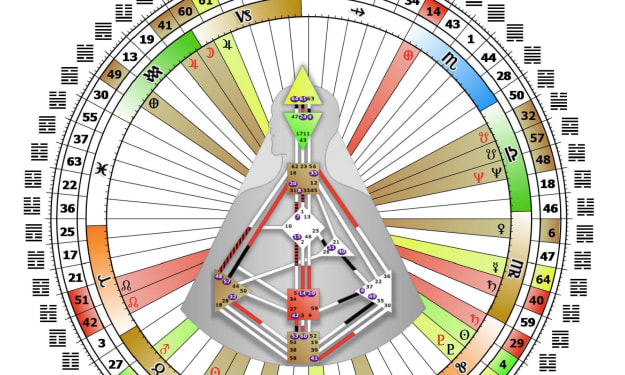
Introduction: The Rising Interest in Human Design In recent years, interest in Human Design has surged like never before. More people are seeking answers about who they are, how they make decisions, and why they experience life the way they do. With the rapid changes unfolding in the world—and the profound 2027 shift drawing closer—understanding your unique Human Design is more crucial than ever.
By Ellen M. Laura2 years ago in Chapters
Shadows and Light
The garbage I watch, deep into the night. The dark knight, bursts into the light. Incapable might, losing sight. Hope is to put a fight, but we're lost in pride. Deluded insights, a wounded kind. The echoes of war, still haunt the land, Footsteps of ghosts, trace lines in the sand. Justice is blind, or so they claim, Yet the scales tip for wealth and name. The stars above, they flicker and fade, Whispers of time, in silence laid. The past still lingers, a burdened chain, History repeats, yet we call it change. A child cries in a world gone cold, Dreams forsaken, bought and sold. The towers rise, the forests fall, A kingdom built, yet doomed to crawl. The river runs, its waters black, Reflections twisted, no way back. A mirror cracked, a shattered face, Chasing purpose, losing grace. Yet somewhere beneath the ruin and rust, A seed still sleeps beneath the dust. A dawn may break, a light may shine, If hands still reach, if hearts still find. But will we rise, or drown in the tide? Will love survive, or be cast aside? The answer waits, beyond the night, In hands that build, in souls that fight. Analysis and Explanation of the Poem This poem touches on deep and universal themes such as struggle, disillusionment, corruption, environmental destruction, and the potential for hope and redemption. Let's break it down in detail: 1. Darkness, Corruption, and Lost Purpose "The garbage I watch, deep into the night." This opening line suggests a sense of helplessness and reflection. "Garbage" can symbolize the wastefulness of society, both physically and metaphorically. It may refer to the destruction of values, moral decay, or even personal regrets. Watching it at night represents a lonely, silent contemplation of everything wrong in the world. "The dark knight, bursts into the light." A "dark knight" represents a figure who once thrived in shadows but is now forced into the open. This could symbolize truth being revealed, or a corrupt force being exposed. It also suggests the idea of facing reality rather than hiding behind illusions. "Incapable might, losing sight." This line speaks to the irony of power. Many individuals, governments, and institutions hold immense strength, yet they lack wisdom or vision. They may act recklessly, failing to see the true consequences of their actions. "Hope is to put a fight, but we're lost in pride." Fighting for a better future is essential, but pride stands in the way. Many people refuse to change or admit mistakes, leading to unnecessary conflict. This could refer to personal struggles, political battles, or humanity’s tendency to prioritize ego over progress. "Deluded insights, a wounded kind." Humans often believe they understand the world, but their perceptions are flawed. We think we know what is right, yet our actions bring pain. The phrase “a wounded kind” suggests that humanity is hurt—by its own hands, by history, by repeated mistakes. 2. The World’s Struggles and Injustice "The echoes of war, still haunt the land, Footsteps of ghosts, trace lines in the sand." This points to the lasting effects of war and violence. Even after battles end, their scars remain. The ghosts could symbolize both the literal loss of life and the psychological burden carried by survivors. "Justice is blind, or so they claim, Yet the scales tip for wealth and name." Justice is meant to be impartial, but in reality, it is often influenced by money and power. The rich and powerful escape consequences while the poor and voiceless suffer. 3. The Passage of Time and Repeating History "The stars above, they flicker and fade, Whispers of time, in silence laid." Time moves forward, and even the brightest lights (civilizations, leaders, ideals) eventually fade. The whispers of time suggest history quietly warning us, though we rarely listen. "The past still lingers, a burdened chain, History repeats, yet we call it change." Even as we claim to progress, we often repeat the same mistakes. Wars, corruption, greed—these have existed for centuries, yet we convince ourselves that we are improving. 4. Environmental and Moral Decay "A child cries in a world gone cold, Dreams forsaken, bought and sold." Children symbolize innocence and the future. This line suggests that the world has lost its warmth—both emotionally and physically. Greed and materialism destroy dreams, turning everything into a transaction. "The towers rise, the forests fall, A kingdom built, yet doomed to crawl." Modern development comes at the cost of nature. Skyscrapers replace trees, but what good is progress if it destroys the foundation of life? Despite technological advancements, humanity still struggles with basic moral and ethical issues. "The river runs, its waters black, Reflections twisted, no way back." Pollution and corruption have tainted nature and truth. Looking into a polluted river is like looking at a distorted reality—what we see is no longer pure. "No way back" suggests irreversible damage. 5. A Glimmer of Hope and the Possibility of Redemption "Yet somewhere beneath the ruin and rust, A seed still sleeps beneath the dust." Despite destruction, hope still exists. A seed represents potential—a chance for growth, change, and renewal. Even in a broken world, there is room for healing. "A dawn may break, a light may shine, If hands still reach, if hearts still find." Change is possible if people are willing to work together. "Hands still reach" symbolizes effort, unity, and compassion. "Hearts still find" refers to rediscovering kindness, love, and purpose. "But will we rise, or drown in the tide? Will love survive, or be cast aside?" This presents the ultimate question: will humanity choose growth, love, and wisdom, or will it allow itself to be consumed by destruction and ignorance? "The answer waits, beyond the night, In hands that build, in souls that fight." Our future depends on our actions. If we choose to build instead of destroy, if we fight for what is right, then hope remains. Advice to the Readers 1. Acknowledge the Problems Don’t ignore the struggles of the world. Whether it’s corruption, environmental destruction, or inequality, be aware of the issues that affect humanity. 2. Learn from History The mistakes of the past continue to repeat because people fail to learn from them. Study history, recognize patterns, and work toward real progress. 3. Put Aside Pride Pride prevents growth. Whether in personal relationships or global politics, admitting mistakes and seeking improvement is essential for change. 4. Take Responsibility Change doesn’t happen by itself. Whether through activism, education, or simple acts of kindness, everyone has a role to play in making the world better. 5. Preserve Nature Development should not come at the cost of the environment. Support sustainable practices and be mindful of the planet’s resources. 6. Seek and Spread Hope Even in dark times, hope exists. Be a source of inspiration for others. Encourage change, support one another, and believe that a better future is possible.
By Kelly Munala Brookes2 years ago in Chapters
Espionage
Espionage, also known as spying, is the act of secretly collecting information about governments, organizations, or individuals. It has been an important part of history and is often used by countries to gain intelligence about their enemies or rivals. Espionage can involve secret agents, technology, and hidden codes. This article will explore the history, methods, risks, and effects of espionage in simple and easy English.
By Farhan Sayed2 years ago in Chapters
The Edge of Tomorrow. AI-Generated.
Prologue: The Beginning of the End The night was thick with the scent of rain, though the sky had yet to open. The streets glistened under flickering streetlights, and the air carried the restless hum of a city that never truly slept. Nia sat on the rooftop of her home, legs folded beneath her, staring at the vastness of the sky. It was one of the few places that gave her space to breathe. Tonight, though, even the sky felt heavy. She gripped her journal, fingers tracing the edges of the worn cover. This notebook had been her constant companion, filled with scribbled thoughts, frustrations, and half-formed dreams. A lifeline when the world felt too loud, when expectations threatened to crush her. She flipped to the last page, where she had written a question weeks ago: "What do you want, Nia?" She exhaled sharply. She still didn’t know the answer. Life in her family had always been about survival. Work hard. Make ends meet. Don’t ask for more than what you’ve been given. Her father had spent years hammering those lessons into her, his voice as unyielding as the calluses on his hands. "The world is not kind to people who dream too much," he had told her once. "Keep your head down and do what you must." Her mother, Ada, had been a quiet force—a woman who carried the weight of the household on her back but never complained. She had always seemed tired, as if life had demanded too much from her too soon. And then there was Nia. The girl who had always wanted more but never knew how to ask for it. Until now. Because something inside her was shifting. She wasn’t sure when it had started—maybe the day she overheard her parents arguing about money again, or the moment she realized she was terrified of waking up ten years from now in the same place, with the same problems. Maybe it had been building for years. But tonight, as she sat on that rooftop, she knew one thing for certain. She couldn’t keep living like this. She was done waiting for life to change. She would have to change herself. The next morning, she made her first move. It was a small thing—insignificant to anyone else—but monumental to her. She walked into the local bookstore, a small, cluttered shop tucked between a tailor’s stall and a street vendor selling roasted corn. She had passed it a hundred times before but had never gone inside. This time, she did. The owner, Madam Kofo, raised an eyebrow as Nia hesitated by the entrance. She was an older woman, her presence commanding without needing to say much. “You lost?” Madam Kofo asked. Nia shook her head. “I… I need a book.” The woman smirked. “You’re in the right place, then.” Nia hesitated. “Something about… money. Business, maybe.” Madam Kofo’s gaze sharpened slightly. “Ah. You’re one of those children,” she said, but there was no mockery in her tone. Only curiosity. Nia frowned. “What does that mean?” Madam Kofo turned, pulling a book from the shelf and handing it to her. “It means you’re tired of the way things are.” Nia stared at the book in her hands. The Psychology of Money. She wasn’t entirely sure what she was looking for, but this felt like a start. She nodded. “How much?” Madam Kofo studied her, then waved a hand. “First one is free. But if you waste it, I’ll make you pay double next time.” Nia blinked. “Why?” “Because knowledge should cost you something,” the woman said simply. “Even if it’s just the effort of taking it seriously.” Nia nodded slowly. “I won’t waste it.” Madam Kofo smiled. “Good.” And just like that, a door cracked open. One that Nia had no intention of closing. That night, she opened the book, flipping through its pages long after her parents had gone to bed. She read about how people stayed trapped in financial cycles because they were never taught anything different. How wealth wasn’t just about making money—it was about understanding it. She thought about her parents. About their endless struggle. About the life she didn’t want to inherit. And she made a decision. She wasn’t just going to wish for change. She was going to build it. Even if no one else believed in her. Even if it meant walking alone. For the first time in her life, she felt something settle inside her. A quiet kind of certainty. It wouldn’t be easy. But she was ready.
By Sandra Amiedor2 years ago in Chapters
Instructions to Be Solid: An All out Manual for Wellbeing
Wellbeing is significant to an effective and useful life. Great wellbeing is physical, mental, and close to home, and can be accomplished exclusively through a healthy lifestyle. In the feverish existence of today, it is easy to disregard straightforward propensities for wellbeing, yet with some cognizant exertion, anybody can have a solid existence. In this article, various tips on the most proficient method to be sound and accomplish absolute health are talked about.
By MD.NAIM MIAH2 years ago in Chapters