Mystery
The Forgotten Inventor
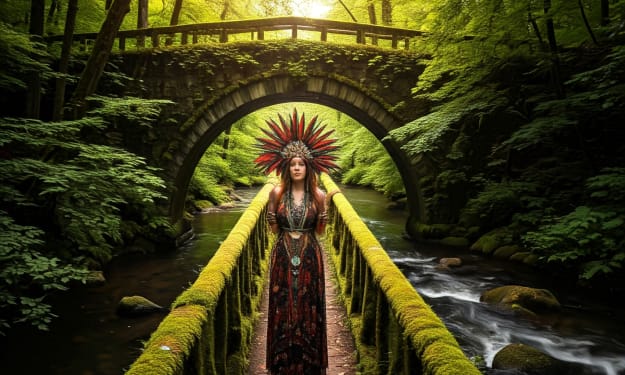
The small town of Meadowridge lay within the rolling hills, silent and heavy with timber. Behind the old mansion stood a decrepit mansion blackened with mystery and enigma. Elias Grayson was its owner, an isolated inventor who had disappeared decades ago. Anyone said he had gone absolutely mad; others spoke of something extraordinary that he hid. Only a few could dare to approach it, and those who did claimed to hear loud mechanical hums when nobody else could.
By Usman Zafar2 years ago in Chapters
Questions No One Knows the Answers to
On a typical school day, we spend countless hours learning answers to questions. But today, let's do the opposite and focus on the questions no one has the answers to—those that spark curiosity and wonder. As a child, I often pondered: What would it feel like to be a dog? Do fish or insects feel pain? Was the Big Bang an accident? Is there a God? If so, why do we assume it's a He? Why do innocent beings suffer? Is my future pre-written, or do I have free will? Who am I—just a biological machine? Why am I conscious, and what even is consciousness? Could robots one day be conscious too?.
By Patrick Iwu2 years ago in Chapters
Part One: The Birth of a Shadowhunter
"Tears of Shadows" Part One: The Birth of a Shadow Hunter Chapter One: Night of Tragedy The Quiet Village In the small village of Harumashi, everyone lived peacefully amidst the green fields and mountains that embraced the village. Rin Saiga, a sixteen-year-old boy, spent his evenings with his little sister Mai, ten years old, telling her epic stories about knights facing monsters and saving the weak.
By Kaido Saphira2 years ago in Chapters
Chapter Four: Traces of the Past
Chapter 4: Traces of the Past After a night full of events and training, Ryoma began to feel the weight of unanswered questions. Why is the Crimson Sword so important? Why is the shadow of Owari haunting him? Why has his family been the guardians of this sword for generations? These questions did not leave his mind as he sat in his dark room surrounded by the deadly silence of the village.
By Kaido Saphira2 years ago in Chapters
Chapter Two: Shadow in the Night
Chapter Two: Shadow in the Night As the threats began to loom, the atmosphere of Kaizen Village became tense and anxious. People whispered about the presence of strangers hovering around the village's borders, while Ryoma felt a heavy pressure in his chest whenever he thought about his words with the Crimson Dawn. He had become the bearer of the Crimson Dawn Sword, and he now knew that this sword carried with it a huge responsibility that exceeded his current capabilities.
By Kaido Saphira2 years ago in Chapters
An unknown truth hidden in the reverse flow of the river
The day Rani disappeared, the river was flowing in the reverse direction. This strange incident created a stir in the entire village. Rani was the most beautiful and playful girl in the village. Her hair was black, wavy, like the shadow of the night, and her eyes were deep, as if there was some secret hidden in them. Everyone in the village was impressed by her soft-spokenness and mischievous antics. But that day when the river started flowing in the reverse direction, people were surprised and then someone screamed and gave the news - "Rani has disappeared!" There was chaos in the village. Some said, "This is a bad time," while others considered it a sign of some divine power. People believed that the reverse flow of the river and the disappearance of Rani was the play of some invisible power. The elders of the village said that they had never seen anything like this in their lives. They were worried whether this incident was a sign of some big trouble. Rani's parents were distraught and went out in search of her all over the village. They questioned everyone, but no one knew anything. It seemed as if she had dissolved into thin air and disappeared somewhere. Then an old woman, who lived near the hills outside the village and whom everyone knew as 'Junglewali Dadi', came to the village and announced, "The mystery of Rani's disappearance lies near that reverse flowing river. I can feel the movement of her soul." Some people in the village found the jungle grandmother's words mysterious, but they knew that she had some strange power. The grandmother suggested that they should start the search for Rani by going to the river bank. Following her advice, Rani's parents and some villagers started walking towards the river with her. As they approached the river, the atmosphere became even more strange. There was a chill in the air, and a deep silence spread all around. The river was flowing in the opposite direction, as if some unknown force had taken control of it. When everyone reached the river, suddenly the grandmother closed her eyes and went into meditation. After a few moments, she opened her eyes and said, "This river will take us to Rani. But for this we have to go with the opposite flow of the river." The villagers were confused by what the grandmother said, but they had no other option. They started walking in the opposite direction along the river. As they moved forward, the forest became denser and more mysterious. There was a strange smell in the air, like the fragrance of an unknown flower or the moisture of an old ruin. The night was falling, and then they saw an old and ruined temple on the bank of the river. The grandmother indicated to the villagers that this was the place where the queen could be found. It was pitch dark inside the temple and strange shapes were drawn on its walls. Some kind of strange energy was felt in those shapes. The grandmother lit a lamp in front of the temple and started muttering some mantras. The sound of her chanting started echoing in the forest, as if some magical waves were spreading in all four directions. Suddenly a faint light shone from inside the temple and a faint image of the queen appeared. There was a strange calmness on her face, but some hidden pain was visible in her eyes. The villagers were shocked, they had never seen such an incident. The image of the queen said in a low voice, "I am trapped here because of the reverse flow of this mysterious river. This temple is the place of an evil power that has bound me." The grandmother asked the queen, "How can you be freed, daughter?" The queen replied, "A special ritual has to be performed to calm the evil power of this temple. It will involve consecrating a holy water in the sanctum sanctorum of the temple. This holy water will be taken from the place where the reverse flow of the river begins. But be careful, this place is full of dangers and only a strong willed person can bring this water." Grandmother and some villagers reached the beginning of the reverse flow of the river. As soon as they reached there, they saw a shining source of water, which seemed to symbolize some mystery. They filled the water in a vessel and cautiously returned to the temple. When they reached the temple, Rani's image was still there, but her figure was slowly blurring. Grandmother started performing Abhishek with water and offered it in the sanctum sanctorum of the temple. A strange energy spread all around, and at the touch of that energy, Rani's image started turning into reality. In a few moments, Rani appeared inside the temple, but this time she was real, not a blurred image. The villagers were overjoyed. Rani softly said, "I was trapped in the bondage of this evil power, and you all freed me. This temple is no longer the same, because its powers are now gone." Rani's parents hugged her and the villagers started singing songs of joy. They thanked the grandmother, whose amazing powers and courage had led to Rani's return. Rani turned and looked at the river, which was now flowing in its normal course. It was a wonderful experience for the village, which taught them that sometimes things we cannot see are also real. After that day, the people of the village were filled with reverence for the river and the forest grandmother, because for them this day was nothing less than a miracle.
By Devender Singh2 years ago in Chapters
The Enclave: Part 2
I don’t remember whether it was the largest or the second largest closet of the whole enclave. Regardless, it was definitely not a short and simple tale the files there told. Careful not to disturb anyone inside the building, I gently opened the closet’s door. There was a lot to go over, so I took folders out one by one.
By Snarky Lisa2 years ago in Chapters
The Enclave: Part 1
In one of the society’s hidden zones lies a place called the enclave. Shrouded in mystery, its purpose is to put out sparks of conflict before they could give the society a bad name. When this doesn’t work and fires spark up anyways, the parties found guilty end up on the covers of carefully crafted statements sent out by the main bureau.
By Snarky Lisa2 years ago in Chapters
Orthavos: The Stone Awakening
Orthavos: The Stone Awakening "The river ran backwards on the day the Queen vanished," A soft melodious voice spoke quietly, as the sound of footsteps and water dripping echoed around the darkness in which the group was walking. The sting of ocean salt had stung their eyes as they went deeper into the cavern that they had taken a small boat to, off the coastal cliffs to the kingdom of Arataur.
By DHARMENDRA KUMAR BAIRWA2 years ago in Chapters
Agun Pan: The Fiery Street Food Sensation of Old Dhaka
Agun Pan is a new and exciting version of the traditional paan from Old Dhaka, a city rich in culture and street food. Known as "Fire Paan," this dish consists of a betel leaf wrapped around various fillings, which is briefly set on fire before being eaten. Originating in India, Agun Pan quickly gained popularity in Bangladesh, attracting both locals and tourists eager to try this daring culinary adventure.
By Md Mostafizur Rahman2 years ago in Chapters
Stand Against Injustice and Remain Just: A Call for Humanity
Stand Against Injustice and Remain Just: A Call for Humanity In a world filled with complexities and inequalities, standing up against injustice is one of the most powerful actions we can take. The notion of “do not tolerate injustice and do not do injustice to anyone” is a moral directive that challenges us to lead lives rooted in fairness, compassion, and responsibility. When we stand against unfairness, not only do we protect others, but we also preserve our own integrity. This article explores why opposing injustice is crucial, how it shapes our society, and how small, compassionate acts of justice create ripples that inspire and transform lives. The Impact of Injustice: Lessons from History Throughout history, societies that tolerated or engaged in injustice have seen division, suffering, and eventual downfall. The examples of civil rights leaders like Mahatma Gandhi and Martin Luther King Jr. stand as a testament to the power of resisting oppression peacefully. Gandhi, in his struggle for India's freedom, demonstrated that one need not resort to violence to oppose injustice. He faced imprisonment, discrimination, and physical threats but remained steadfast in his resolve for a free and fair India. His resistance was not just for his benefit but for the freedom and dignity of millions. Dr. King, inspired by Gandhi, took a similar stance against racial discrimination in America. His non-violent protests, courage, and resilience inspired countless others to fight for equal rights, sparking a movement that transformed American society. Both leaders exemplified the value of standing against injustice, teaching us that even in the face of severe adversity, one should never remain passive or indifferent. By following their example, we recognize that true strength lies in upholding justice without imposing harm on others. Everyday Injustice: Turning a Blind Eye or Taking a Stand? Injustices happen daily, not only in grand political or historical contexts but also in everyday situations. Consider the small yet significant acts of injustice we might witness—bullying at school, mistreatment in the workplace, or discrimination based on someone’s appearance, background, or abilities. Each time we see someone being marginalized or wronged, we face a choice: to ignore it or to take a stand. Standing up doesn’t always mean confronting an oppressor directly. Sometimes, it’s about offering a supportive hand, a listening ear, or simply standing beside someone who is struggling. An inspiring example is a story from an ordinary workplace: a new employee, often ridiculed for their slow learning pace, felt isolated and discouraged. One colleague noticed this treatment and decided to reach out, helping the new employee learn the tasks with patience and encouragement. This act not only helped the newcomer succeed but also changed the office culture, encouraging others to be more compassionate. The Courage to Act: Why It's Easier Said Than Done Taking a stand against injustice often comes with personal challenges. It might mean going against a popular opinion, risking your own comfort, or even jeopardizing relationships. In some cases, it can bring threats or retaliation. Despite these challenges, those who choose to speak up often discover a deep sense of purpose and fulfillment. Imagine a young student who decides to report a case of bullying, risking social exclusion to protect a fellow student. This act might isolate them temporarily, but it also sets an example that encourages others to act with kindness and courage. Over time, such choices shape the moral fabric of our communities. A society becomes stronger when individuals choose to do the right thing, even when it’s difficult. Stories of Compassion and Justice: Small Actions, Big Changes Examples of small actions that resist injustice remind us that everyone has the potential to make a difference. Consider the story of a woman who, upon noticing the discrimination faced by street vendors in her city, decided to use her voice. She started a social media campaign sharing the stories of these vendors, highlighting their struggles and contributions. As her campaign gained support, it brought awareness to the unfair treatment they faced, prompting local authorities to create a fairer environment for these vendors. Similarly, there are countless stories of individuals standing up to social stereotypes, challenging discrimination against people with disabilities, different races, or gender identities. Each act, however small, contributes to a ripple effect that impacts society. This commitment to fairness fosters empathy and respect, essential qualities that a compassionate society needs. Balancing Justice with Compassion While it’s vital to stand against injustice, it’s equally important to approach it with compassion. Fighting injustice doesn’t mean confronting every instance with anger or retaliation. Instead, it involves a balanced response that seeks to correct wrongs while understanding the complexities of each situation. Many times, those committing injustices are products of ignorance, bias, or societal conditioning. Approaching them with patience and empathy can lead to more lasting change than aggressive confrontation. For instance, if someone harbors prejudices against a particular group, a calm conversation might open their eyes in ways that hostility cannot. When we address injustice with an open mind and a genuine desire to understand, we create the opportunity for education and growth, both for ourselves and others. The Strength of Unity in Justice Taking a stand against injustice is most effective when done collectively. Communities that uphold values of fairness and respect can create a supportive network where individuals feel safe to raise their voices. By supporting each other in this way, we cultivate a culture of mutual trust and accountability. A beautiful example of collective justice is when neighborhoods come together to support marginalized individuals, like families affected by poverty, or children who cannot access quality education. People unite to offer resources, mentorship, or financial assistance, building a system where everyone has a fair chance at success. Such communities become a beacon of hope, showing that when people act together, they can overcome the harshest inequalities. Creating a Legacy of Justice Imagine a world where children grow up in an environment that teaches them to stand up for what's right, to treat others with fairness, and to lend a hand to those in need. The values we instill in the next generation will shape the society of tomorrow. By setting examples of justice and kindness today, we create a legacy of compassion that will guide future generations. When we choose to oppose injustice—no matter how insignificant it may seem—we send a message to those around us. Our actions tell our friends, family, and colleagues that fairness is non-negotiable, that respect is essential, and that kindness is strength. By fostering these qualities in our homes, schools, and workplaces, we create a ripple effect that extends beyond our immediate lives. Conclusion: Our Collective Responsibility To live by the principle of not tolerating injustice and not doing injustice to anyone is to commit ourselves to a life of integrity and empathy. It is a pledge to act in ways that protect the rights, dignity, and well-being of all. While the journey may not always be easy, it’s one worth taking because it builds a world we all want to live in—a world where everyone feels valued and respected. Whether it’s helping a bullied child, defending a marginalized colleague, or challenging social prejudices, each act of justice is a powerful statement. Together, these actions can build a society where no one is subject to injustice, and everyone is inspired to be just. In the end, we find that when we give justice to others, we receive peace and purpose in return—a reward that cannot be measured but one that changes lives.
By Dipak Pawar2 years ago in Chapters