History
Mughal Era Love: A Historical Love Letter
**Mughal Era Love: A Historical Love Letter** This story is set in Mughal-era India, a time when love and loyalty were immortalized in history. It narrates the love between a prince and an ordinary girl, who overcame time and societal constraints to unite. Their story unfolds through letters that capture their love and longing.
By Nikita Angel2 years ago in Chapters
The Ultimate Guide to Apple-Cinnamon Overnight Oats: A Nutrient-Dense Breakfast Solution
Description: In modern dietary paradigms, where time scarcity often impedes the preparation of balanced meals, Apple-Cinnamon Overnight Oats emerge as an exemplary solution. Rich in dietary fiber, polyphenols, and bioactive phytochemicals, this streamlined recipe seamlessly integrates nutritional excellence with convenience. Tailored for professionals, students, and health-conscious individuals, this preparatory meal not only enhances morning efficiency but also supports metabolic optimization and sustained energy levels throughout the day. Why Incorporate Apple-Cinnamon Overnight Oats into Your Daily Routine? Time-Efficiency: Minimal preparation ensures readiness for immediate consumption by morning. Macronutrient Density: A potent source of dietary fiber, essential vitamins (especially Vitamin C and B-complex), and vital minerals such as iron, magnesium, and potassium. Customizable Flavor Profile: Adapt the recipe with additions like nuts, seeds, or warming spices such as nutmeg or ginger for a richer culinary experience. Cost-Effectiveness: Composed of accessible ingredients commonly found in Indian markets, offering both affordability and superior nutrition. Child-Friendly: Ideal for younger demographics, promoting cognitive development and physical growth. [Insert infographic illustrating the combined health benefits of oats, apples, cinnamon, and chia seeds] Ingredients Checklist: 1 cup whole-grain rolled oats 1 cup milk (dairy or fortified plant-based options such as almond, soy, or coconut) 1 fresh apple (grated or finely diced for even distribution) 1 teaspoon ground cinnamon 1 tablespoon honey or jaggery syrup (optional, for natural sweetness) 2 tablespoons chia seeds (boosts fiber and omega-3 fatty acids) A pinch of salt (enhances flavor complexity) Optional Additions: Nuts (almonds, walnuts, cashews) for texture and healthy fats Dried fruits such as raisins, cranberries, or dates Spices like nutmeg or cardamom for nuanced flavors Greek yogurt for enhanced protein content and creaminess Step-by-Step Preparation Method: Base Preparation: In a sterilized airtight container, blend oats, milk, chia seeds, and salt until evenly mixed. Infusing Flavors: Add cinnamon and natural sweeteners, adjusting to personal taste. Incorporating Apples: Fold in finely grated or diced apples to ensure even distribution. Refrigeration: Seal the container and refrigerate for 4–6 hours or overnight for optimal absorption and flavor infusion. Serving: Stir before serving. Top with nuts, fresh fruits, or a sprinkle of cinnamon. Enjoy cold or slightly warmed. [Visual guide detailing each preparation step] Health Benefits of Apple-Cinnamon Overnight Oats: Enhanced Digestion: High fiber content promotes optimal gut health. Glycemic Stability: Cinnamon improves insulin sensitivity, aiding those managing Type 2 diabetes. Cardiovascular Health: Reduces LDL cholesterol, lowering heart disease risk. Satiety and Weight Management: Prolongs fullness, aiding in appetite control. Sustained Energy Release: Complex carbohydrates provide steady energy throughout the day. [Insert nutritional comparison chart vs. traditional Indian breakfasts like parathas, dosas, and idlis] Real-Life Example: Ramesh’s Transformational Journey Ramesh, a schoolteacher from rural Tamil Nadu, exemplifies the benefits of this dietary adjustment. Struggling with time constraints and suboptimal nutrition, he incorporated Apple-Cinnamon Overnight Oats into his routine. Over three months, Ramesh experienced significant improvements: a 5 kg reduction in body weight, better digestion, and improved energy levels, leading to increased professional productivity and personal well-being. [Visual of Ramesh preparing his overnight oats] Advanced Tips for Optimization: Protein Boost: Add Greek yogurt or protein powder for post-workout recovery. Layered Presentation: Alternate layers of oats, fruits, and nuts for visual appeal and balanced nutrients. Vegan Adaptations: Substitute honey with maple syrup; use plant-based milk. Superfood Additions: Incorporate flaxseeds, hemp hearts, or cacao nibs for additional nutrients. [High-resolution photo of aesthetically layered overnight oats garnished with fruits and nuts] Frequently Asked Questions (FAQs): Q: Can I use instant oats?A: Yes, though rolled oats provide better texture and nutritional retention. Q: How long do overnight oats stay fresh?A: When refrigerated, they remain fresh for up to five days. Q: Can they be consumed warm?A: Absolutely—microwave for 30–60 seconds if a warm meal is preferred. Q: What apple varieties work best?A: Fuji, Gala, or India’s Kinnaur apples provide natural sweetness. Conclusion: Transform Your Morning Routine Apple-Cinnamon Overnight Oats are a perfect synergy of convenience, taste, and nutritional richness. Whether for professionals, students, or caregivers, this wholesome meal guarantees an energized, productive day. Call to Action: 🍏 Try this recipe today and share your creative versions in the comments. 🔔 Subscribe for weekly recipes, meal-prep tips, and scientifically-backed nutrition advice. 📥 Download our free guide: "Five Healthy Indian Breakfast Innovations." [Motivational quote graphic: "Small habits create significant change—start with breakfast."] SEO Optimization: Primary Keywords: Apple-Cinnamon Overnight Oats, nutritious breakfast, time-efficient meals, meal preparation. Secondary Keywords: Indian health recipes, quick meal ideas, energy-boosting breakfasts, customizable meals. Image Alt Text: Descriptive captions such as "Overnight oats in a mason jar topped with apples and nuts."
By Kajal Devi2 years ago in Chapters
Peanut Butter-Chocolate Chip Overnight Oats with Banana: A Gourmet Nexus of Nutrition and Convenience
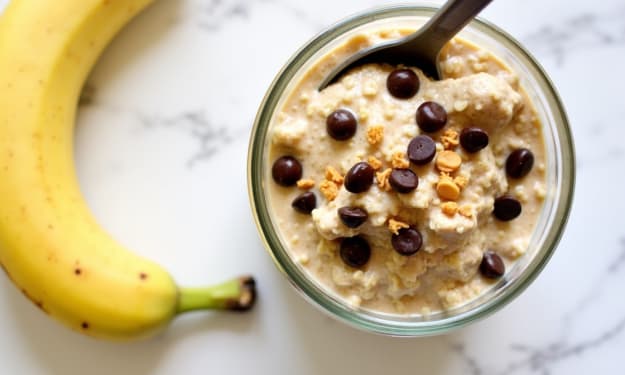
In today's fast-paced landscape, where efficiency is paramount and nutritional adequacy is non-negotiable, Peanut Butter-Chocolate Chip Overnight Oats with Banana emerges as a culinary paragon. This sophisticated synthesis of creamy textures, natural sweetness, and indulgent undertones not only delights the palate but also offers a functional breakfast replete with essential macronutrients vital for metabolic optimization and cognitive vitality. This preparation holds particular significance for individuals managing multifaceted lifestyles—students entrenched in academic rigor, professionals navigating demanding careers, and health-conscious individuals striving for dietary excellence. Its deceptively simple preparation conceals an intricately balanced nutritional profile, rendering it indispensable for those prioritizing health without sacrificing convenience. 📋 Comprehensive Breakdown of the Discourse A meticulously validated, stepwise methodology for crafting overnight oats. An in-depth exploration of the biochemical advantages conferred by each ingredient. Advanced customization frameworks tailored to diverse dietary requirements, including veganism, gluten intolerance, and low-glycemic modifications. A culturally contextualized examination of the recipe’s compatibility with Indian culinary paradigms. Strategic meal-prep solutions designed for optimized time management. 🥣 Ingredient Inventory: A Nutrient-Dense Composition Each ingredient has been carefully selected based on its biochemical properties and contribution to overall health: 1 cup rolled oats (preferably gluten-free, depending on dietary needs) 1 tablespoon natural peanut butter (free of added sugars and hydrogenated fats) 1 ripe banana (mashed, serving as a natural fructose source) 1 tablespoon dark chocolate chips (rich in polyphenols with potent antioxidant properties) 1 cup milk (adaptable with dairy or fortified plant-based alternatives) 1 teaspoon chia seeds (optional; an excellent source of soluble fiber and omega-3 fatty acids) A pinch of Ceylon cinnamon (optional, renowned for its glycemic control properties) A drizzle of organic honey or pure maple syrup (optional natural sweeteners) Visual Recommendation: Include a flat-lay visual showcasing the ingredients arranged meticulously for visual clarity and aesthetic appeal. 🥄 Elaborated Methodology for Preparation Follow this precise procedure to optimize both texture and flavor: Integrate Dry Ingredients: Combine oats, chia seeds, and chocolate chips in a sterilized glass jar or non-reactive container. Incorporate Moisture Agents: Blend the mashed banana, peanut butter, and milk until achieving a uniform consistency. Enhance Flavor: Add cinnamon and optional sweeteners to suit individual glycemic preferences. Cold Maceration: Seal the container and refrigerate for at least 6 hours to allow biochemical softening and flavor amalgamation. Consumption Protocol: Before consumption, stir thoroughly and garnish with fresh banana slices, crushed nuts, or an additional layer of peanut butter for enhanced taste and nutritional density. Visual Suggestion: Provide an infographic illustrating each preparation stage, enhancing instructional clarity. 🌿 Nutritional and Biochemical Rationale for Ingredient Selection Each ingredient synergistically contributes to physiological well-being: Peanut Butter: A robust source of monounsaturated fats and plant-derived protein, essential for satiety and metabolic health. Banana: Rich in potassium and magnesium, supporting neuromuscular function and digestive balance. Oats: Contain beta-glucan fibers that promote cholesterol reduction and stabilize blood glucose levels. Dark Chocolate Chips: Abundant in flavonoids, supporting neuroplasticity and reducing oxidative stress. Chia Seeds: High in alpha-linolenic acid (ALA), crucial for cardiovascular integrity. Visual Suggestion: An analytical pie chart displaying macronutrient distribution for quick reference. 🇮🇳 Cultural Adaptation: Integrating Indian Culinary Traditions Tailored for the fast-paced lifestyle prevalent in urban India. Composed of easily accessible ingredients available in Indian markets. Enables bulk preparation aligned with Indian meal-prep customs. Can be enhanced with traditional flavors such as cardamom, nutmeg, or saffron for regional authenticity. Case Study: Ramesh, an educator from Pune, optimized his meal prep during examination periods using this recipe, thereby improving both time management and nutritional intake. 🛠️ Advanced Customization Frameworks Tailor this recipe for specific dietary needs: Vegan Adaptation: Substitute dairy with plant-based milk and opt for vegan-certified chocolate chips. Gluten-Free Compliance: Ensure oats are certified gluten-free. Nut-Free Modification: Replace peanut butter with sunflower seed butter or tahini. Low Glycemic Index Version: Use cacao nibs instead of conventional chocolate chips. Protein Enrichment: Add protein isolate suitable for post-exercise recovery. Visual Suggestion: A substitution chart showing ingredient alternatives for various dietary requirements. 🔍 SEO Optimization for Academic and Professional Bloggers For those disseminating this content through digital platforms: Integrate high-value keywords such as overnight oats recipe, nutrient-dense breakfast, and Indian meal prep strategies. Incorporate internal and external links to enhance domain authority. Use descriptive alt-text for all visuals. Implement structured metadata (H1-H3 tags) to improve search engine visibility. 🌟 Conclusion: Merging Flavor with Functionality The Peanut Butter-Chocolate Chip Overnight Oats with Banana transcends traditional breakfast conventions, representing a synergy of gastronomic pleasure and scientific nutrition. Whether for quick morning fuel or sustained energy throughout the day, this preparation offers a scientifically grounded, time-efficient solution for modern dietary demands. Visual Suggestion: Incorporate an inspirational quote graphic: "Nourish your mind and body with every intentional bite." 👉 Engage and Expand 💬 Share your personalized variations or empirical observations in the comments below. 📌 Bookmark this recipe for future integration into professional meal-prep routines. 🔗 Explore related scholarly articles on nutrition science and meal-prep optimization. [Subscribe for Expert Nutritional Insights] and gain access to advanced dietary strategies, cutting-edge research, and actionable resources for comprehensive health management.
By Kajal Devi2 years ago in Chapters
Triple-Berry Blended Oats: A Nutritional Paradigm for Sustained Vitality
In an era characterized by accelerated routines and relentless professional obligations, the task of curating a breakfast that balances expediency, nutrient density, and sensory gratification presents a formidable challenge. Enter Triple-Berry Blended Oats—an exemplary fusion of macronutrient-rich oats and antioxidant-laden berries. This meticulously balanced culinary construct seamlessly addresses the diverse nutritional demands of students, professionals, and health-conscious individuals, offering an optimal amalgam of convenience, palatability, and comprehensive health benefits. The integration of oats and berries produces a nutritionally superior matrix that enhances metabolic efficiency, stabilizes glycemic response, and fosters prolonged satiety. A single serving not only sustains energy homeostasis but also mitigates erratic snacking tendencies, contributing substantively to holistic wellness trajectories. 📋 Objectives and Core Takeaways of This Exposition A comprehensive exploration of the multifaceted health benefits inherent in triple-berry oats A methodically structured recipe guide with precise procedural articulation Personalization strategies tailored for specific dietary paradigms Empirical case studies spotlighting transformative narratives from India’s health landscape Expert-driven recommendations designed to optimize both gustatory pleasure and nutritional efficacy Nutrient composition analytics juxtaposed against conventional breakfast paradigms 🍓 Decoding Triple-Berry Blended Oats: Nutritional Synergy Redefined This composite formulation harnesses three nutraceutical powerhouses: Blueberries: A concentrated source of anthocyanins, Vitamin C, and polyphenolic compounds, known for mitigating neurodegenerative risks and enhancing vascular function. Strawberries: Abundant in ellagic acid, manganese, and flavonoids, strawberries bolster cardiovascular resilience while modulating glycemic variability. Raspberries: Noted for their exceptional fiber content, magnesium, and Vitamin K, raspberries promote gastrointestinal integrity and support epidermal rejuvenation. The synergistic integration of these berries with oats culminates in a functional meal construct that elevates metabolic performance, sharpens cognitive acuity, and fortifies cardiovascular health. The visually striking color profile and inherent natural sweetness enhance both the nutritional depth and sensory appeal. 🖼️ [Insert an infographic delineating the antioxidant, fiber, and micronutrient composition of each berry.] 💪 Physiological Advantages of Triple-Berry Blended Oats Antioxidant Proficiency: Rich in bioactive antioxidants, these berries neutralize oxidative stress, attenuate systemic inflammation, and may decelerate cellular senescence. Augmented Fiber Density: The composite fiber matrix promotes gastrointestinal motility, regulates lipid metabolism, and enhances satiety. Cardioprotective Effects: Beta-glucan from oats effectively reduces low-density lipoprotein (LDL) cholesterol, mitigating atherogenic risk factors. Immunomodulatory Properties: A robust concentration of Vitamins C and E fortifies immune defenses, improving resistance to pathogens. Facilitates Weight Regulation: The nutrient-dense yet hypocaloric nature of the blend supports appetite control and healthy weight management. Glycemic Stability: Oats' low glycemic index makes them ideal for individuals with stringent glucose control needs. 📊 [Insert a comparative nutrient-density chart contrasting triple-berry oats with conventional breakfast foods like refined cereals or processed bread.] 🍽️ Methodological Framework: Crafting Triple-Berry Blended Oats Ingredients: 1 cup rolled oats (preferably gluten-free) 1/2 cup blueberries (fresh or frozen) 1/2 cup sliced strawberries 1/2 cup raspberries 1 cup milk (dairy or fortified plant-based alternative) 1 tablespoon organic honey or pure maple syrup (optional) A pinch of Ceylon cinnamon 1 teaspoon chia seeds (optional; for omega-3 enrichment) A sprinkling of flaxseeds (optional; for lignan content) Preparation Steps: Blend: Combine berries and milk into a smooth, antioxidant-rich emulsion. Simmer: Mix oats with the berry emulsion in a saucepan, cooking over low heat while stirring continuously. Continue until a creamy consistency is achieved (approximately 7-10 minutes). Integrate honey, cinnamon, and chia seeds for heightened nutritional and sensory complexity. Garnish with fresh berries, granola, or microgreens for enhanced texture and visual appeal. 🖼️ [Insert a sequential visual guide illustrating blending, heating, and garnishing stages.] 🍴 Customization Matrix: Adaptive Variations for Diverse Palates Vegan Adaptation: Substitute dairy with plant-based alternatives and employ natural sweeteners. Protein Fortification: Add protein isolates or collagen peptides to boost macronutrient density. Textural Enhancement: Introduce roasted nuts, seeds, or gourmet granola for added crunch. Indulgent Variations: Incorporate dark chocolate shavings or swirls of nut butter. 🇮🇳 Transformative Case Study: Ramesh’s Journey Toward Holistic Health Ramesh, an educator from Tamil Nadu, exemplifies the transformative potential of dietary adjustments. By incorporating triple-berry oats into his daily regimen, Ramesh achieved a 30% reduction in LDL cholesterol levels over six months, alongside notable improvements in focus and physical stamina—a testament to the efficacy of nutrition-centered lifestyle modifications. 🖼️ [Include a visual portrayal of Ramesh’s dietary transformation.] 🔍 SEO Optimization Strategies for Enhanced Visibility Targeted Keyword Integration: Utilize trending terms such as "functional superfoods," "high-fiber Indian breakfasts," and "nutrient-dense recipes." Semantic Enrichment: Employ related synonyms to strengthen contextual relevance. Strategic Internal Linking: Reference supplementary resources on holistic health and nutrition. ✅ Core Insights Preparation achievable within 15 minutes. High concentrations of bioavailable antioxidants, fibers, and essential micronutrients. Customizable to suit varied dietary requirements. Promotes satiety and enhances metabolic resilience. 👉 Steps Toward Nutritional Empowerment Experiment with the recipe and document outcomes. Download our comprehensive nutrition optimization guide. Subscribe for updates on cutting-edge dietary innovations. Share this resource to foster a culture of health-conscious living. 🌄 [Incorporate a motivational visual featuring the quote: "Invest in your health today to secure vitality for tomorrow."] Embrace mindful nutritional practices and harness the transformative power of Triple-Berry Blended Oats for sustained well-being and enduring energy equilibrium.
By Kajal Devi2 years ago in Chapters
China vs India: The Future of Global Power
China: One such country in the world which is going to rule the whole world in the coming time. The way China is working on its economy, its infrastructure and development, technology education, the way it is working on its agriculture in its space sector. The way he is going to improve his army day by day, the day is not far when he will rule the whole world. China and India are the largest population countries in the world and the economy of both is growing rapidly. But China has taken a lot of lead from India in many regions. In this article, we will compare China and India on the basis of infrastructure, education, technical sector, global trade and military power and will try to understand. After all, what is the reason that made China a superpower country, while India is still behind this race, let us know in detail about China and how much it is than in India. China and India: Historical Backgrounds and Development Tour China's civilization is one of the ancient civilizations of the world. This country comes from civilizations that developed independent writing systems in a very old time. China was built in 220 BC and since then China has developed unprecedented. China's development expands from the end of the 1970s, but before that in 1959 and 1960, there was a huge tragedy in China. Which is known as Great Chinese Famine. This tragedy is considered one of the most deadly starvations in human history, killing about 3 to 4 crore people. In many places, people were forced to do even to live in consequences. Despite this, China improved its economic crises and emerged all over the world as a global superpower through its industrialization. Revolution in the field of industrial In today's time, China has the only country in the world with the highest amount of foreign exchange. This volume is equal to about 3.12 trillion dollars. Today, China's GDP is equivalent to about 11 trillion dollars, which is almost the second or third country in the world in this case, but how did all this happen in just 50 years. China had started the development of the primary revolution in our country since the 70s. Its credit is given to Dang Syoping in the form of Economic Revolution in 1978, it has been 47 years in 2025. Dang Shyoping that was called the second revolutionary of China Since this economic reform, China had become stronger among the world's largest economies. After that, the revolution in the industrial sector of China was one of the biggest initiatives for China. Dang was not only a great reformer but he was also eager. The example of the socio -economic reform that Dang started is not found in human history. China's GDP rose 3,230 percent between 1978 and 2016. Meanwhile, 70 crore people were brought above the poverty line and 38.5 crore people joined the middle class. China's foreign trade increased by 17,500 percent and by 2015, China came to the fore in foreign trade. In 1978, China does the business done throughout the year, now it does in just two days. Which was just 1.8 percent of China's share in the world economy in the revolution which started in 1978, increased to 18.2 percent in 2017. Xi Jinping wants to make a superpower in terms of manufacturing to make China's economy more effective. For this, he has been carrying on the policies of Dang Shyoping, which includes steps such as opening the economy and economic reform Can India beat China in future? China and India are the largest population countries in the world and the economy of both is growing rapidly. But China has taken a lot of lead from India in many regions. In this article, we will compare China and India on the basis of infrastructure, education, technical sector, global trade and military power and will try to understand whether India can defeat China in the future. 1. China's lead in infrastructure China's infrastructure is considered the most advanced in the world. High-speed railway networks, expressways, ports, and smart cities are growing rapidly in the country. China has invested heavily in its high-speed train system since 2008, which has now exceeded 40,000 km. At the same time, India is still in the process of modernizing its railway system. World-class metro systems, expressways and flyovers are rapidly built in Chinese cities, while it takes a long time to complete infrastructure projects in India. Although the government in India is also working on Smart City Mission and Bullet Train Projects, it is still in the initial stage compared to China. 2. Edge and comparison in education and technical fields Education and technology play an important role in the progress of any country. China has invested heavily in higher education and its universities are among the top institutions in the world. China's share in science, engineering and medical research is increasing rapidly, leading to new techniques. There are definitely IITs and other prestigious institutions in India, but there is still further improvement in the field of education and research. Chinese companies such as Huawei, Alibaba, and Tencent Technology are ahead in innovation, while IT companies of India (TCS, Infosys, Wipro) are mainly dependent on outsourcing. However, startup culture in India is growing rapidly, which may increase competition in the future. 3. China's hold in global trade and India's position China is the largest exporting country in the world. His companies sell their products all over the world, making its economy strong. China's hold in electronics, machinery, pharmaceuticals, and automobile sectors is very strong. India is also an emerging trading center, but is still lagging behind China in many areas. India's economy is primarily dependent on the service sector, while China's economy is based on manufacturing and exports. India is promoting manufacturing through schemes like 'Make in India' and 'self -sufficient India', but it will take time to reach China's level. 4.China's speed in military power China's military power is considered third in the world, while India is fourth. China has state -of -the -art weapons, large -scale army, and strong defense technology. China's Navy is the second largest Navy in the world, while India is in the process of strengthening it. India is also strengthening its defense system. India has recently developed Tejas fighter aircraft, fire missile, and self -sufficient defense equipment. However, China's defense budget is three times higher than India, making it moving more rapidly in the military sector. 5. Can India beat China in future? India has a young population, growing economy, and strong democratic structure, making him a long race player. China's economy is currently large, but major reforms are being made in India as well. If India invests in its infrastructure, education, manufacturing and defense sector, it can challenge China in the future. conclusion: China is currently ahead of India in many regions, but India's growth rate and population benefits can make it a strong contender in the future. If the correct policies are adopted, India can beat China and become a global power in the coming decades.
By Neeraj Tiwari2 years ago in Chapters
Berry-Almond Smoothie Bowl: A Confluence of Nutritional Excellence and Culinary Aesthetics
For discerning individuals seeking a breakfast that harmonizes gastronomic sophistication with substantive health benefits, the Berry-Almond Smoothie Bowl stands as an exemplar of nutritional excellence. This vibrant culinary creation masterfully integrates antioxidant-rich berries, nutrient-dense almonds, and complementary whole-food components, offering a dish that fulfills both sensory and physiological demands. Whether you are a high-performing professional requiring sustained cognitive acuity or a scholar engaged in rigorous intellectual pursuits, this comprehensive guide elucidates the myriad reasons why this smoothie bowl deserves an integral place in your dietary regimen. This discussion will systematically dissect the nutritional complexities, methodological craftsmanship, and extensive health benefits associated with this superlative meal. 🌟 Defining the Berry-Almond Smoothie Bowl: A Nexus of Aesthetic Form and Functional Nutrition A smoothie bowl transcends the conventional smoothie’s functionality, offering a thicker, spoonable consistency adorned with a meticulously curated selection of nutrient-rich toppings such as fresh fruits, nuts, seeds, and granola. This culinary innovation fosters both aesthetic creativity and heightened nutritional synergy. The strategic amalgamation of berries and almonds results in a nutrient matrix abundant in polyphenols, dietary fiber, high-quality proteins, and monounsaturated fats, producing a meal optimized for metabolic efficiency and cognitive performance. Core Benefits Overview: 🌿 Antioxidative Potency: Berries, rich in anthocyanins, mitigate oxidative stress and reduce cellular aging. 🥜 Superior Lipid Profile: Almonds contribute monounsaturated fats, supporting cardiovascular health and reducing LDL cholesterol. 🔥 Metabolic Optimization: Fiber-rich components regulate postprandial glycemic response and enhance metabolic flexibility. 🧠 Cognitive Enhancement: Neuroprotective compounds such as vitamin E and omega-3 fatty acids contribute to synaptic plasticity and mental acuity. (Insert an advanced infographic elucidating the biochemical pathways influenced by the bioactive nutrients found in berries and almonds) 🥣 Crafting the Optimal Berry-Almond Smoothie Bowl: A Scientific Methodology Ingredients: 1 cup mixed berries (including blueberries, strawberries, raspberries, and blackberries for phytonutrient diversity) 1 frozen banana (enhances emulsification and provides natural sweetness) 1/2 cup Greek yogurt (or a plant-based probiotic alternative) 1/4 cup almond milk (modifiable to achieve the desired viscosity) 2 tablespoons almond butter (enriches the lipid matrix for sustained energy release) 1 tablespoon honey or maple syrup (optional, to accommodate individual glycemic needs) Toppings: Fresh mixed berries Sliced almonds or crushed walnuts Chia or flaxseeds (rich in alpha-linolenic acid) Artisan granola (preferably low in added sugars) A drizzle of raw honey, agave nectar, or date syrup Preparation Procedure: Initial Emulsification: Blend berries, banana, yogurt, almond milk, almond butter, and sweetener until homogeneous. Viscosity Adjustment: Add almond milk incrementally to achieve the desired consistency, ensuring structural integrity for toppings. Assembly: Transfer to a serving bowl and arrange toppings with precision to maximize visual and textural contrast. Consumption: Consume promptly to preserve nutrient integrity and flavor complexity. (Visual suggestion: A stepwise photographic sequence capturing each preparation stage, emphasizing textural evolution and aesthetic presentation) 💪 Physiological Advantages of the Berry-Almond Smoothie Bowl 1. Antioxidant Fortification: Polyphenolic compounds such as anthocyanins and flavonoids neutralize free radicals, mitigating oxidative stress and reducing chronic disease risk. 2. Cognitive Function Enhancement: Almond-derived vitamin E and magnesium promote synaptic plasticity, neuroprotection, and cognitive longevity. 3. Weight Management Support: Dietary fibers foster satiety and regulate appetite-related hormones, contributing to sustainable weight management strategies. 4. Digestive Optimization: Probiotics from Greek yogurt support a balanced gut microbiota, while fibers enhance gastrointestinal motility. 5. Immunological Reinforcement: Vitamin C from berries fortifies immune defenses, facilitating robust pathogen resistance. (Insert a comparative nutrient density chart showcasing berries, almonds, and other superfoods) 🇮🇳 Case Study: A Transformative Journey from India Consider Ramesh, an educator from Pune who incorporated the Berry-Almond Smoothie Bowl into his daily dietary framework. Over six months, he observed enhanced vitality, sustained cognitive clarity, and significant health improvements—losing 5 kg and optimizing key metabolic markers. His experience highlights the transformative potential of strategic dietary interventions. (Visual suggestion: A photo series documenting Ramesh’s journey, from initial preparation to measurable health outcomes) 🔍 Advanced Customization Techniques 🥥 Tropical Infusion: Replace almond milk with coconut milk, enhancing flavor complexity with shredded coconut. 🌻 Micronutrient Enhancement: Incorporate flaxseeds or hemp seeds for increased omega-3 fatty acid content. 🥭 Seasonal Adaptations: Utilize regional Indian fruits such as mangoes, jamuns, or sapotas for localized nutritional relevance. 🍫 Gourmet Indulgence: Add dark chocolate shavings or cacao nibs for an antioxidant-rich culinary experience. (Visual suggestion: A macronutrient comparison chart for different recipe adaptations) 🔗 Further Academic Exploration 10 Superfoods and Their Bioactive Properties A Scientific Review of Plant-Based Proteins Innovative Nutritional Strategies for Busy Lifestyles ✅ Conclusion: Implications for Holistic Wellness The Berry-Almond Smoothie Bowl exemplifies a comprehensive nutritional intervention, integrating antioxidants, dietary fibers, essential proteins, and health-promoting fats. Versatile and seasonally adaptable, it serves as a dynamic template for personalized nutrition. It fosters enhanced metabolic function, cognitive performance, and sustained energy levels across diverse populations. 👉 Apply Your Insights: Share Your Journey Have you experimented with this nutritional framework? Share your customized variations using #BerryAlmondBowl on scholarly platforms. For cutting-edge nutritional research and expert insights, subscribe to our specialized newsletter for evidence-based dietary strategies. (Visual suggestion: An inspiring quote on nutritional science, accompanied by a high-resolution image of a beautifully assembled smoothie bowl)
By Kajal Devi2 years ago in Chapters
Strawberry-Pineapple Smoothie: A Sophisticated Fusion of Flavor and Multifaceted Nutritional Efficacy
In the pursuit of culinary creations that harmoniously unite gustatory delight with profound nutritional benefits, the Strawberry-Pineapple Smoothie emerges as a paragon of such synthesis. This expertly balanced beverage offers an intricate interplay of sweetness and tanginess, enriched with health-enhancing bioactive compounds. This smoothie serves as a versatile nutritional powerhouse, delivering a robust array of vitamins, minerals, antioxidants, and phytochemicals. Its universal appeal spans diverse demographics—benefiting schoolchildren seeking sustained energy, professionals managing high-stress workloads, fitness enthusiasts aiming for optimized post-exercise recovery, and individuals desiring a nutrient-dense indulgence. Beyond its flavor profile, the smoothie’s vibrant color palette and luxurious texture amplify its sensory appeal, subtly encouraging healthier consumption patterns across all age groups. Its simplicity of preparation and adaptability to individual taste preferences render it ideal as a convenient breakfast substitute or a revitalizing mid-day energy booster. 📋 Scope of This In-Depth Exploration Comprehensive analysis of the physiological advantages of strawberry-pineapple smoothies A precise, step-by-step methodology for creating the ultimate smoothie Innovative adaptations tailored to specific dietary and lifestyle requirements Real-life success stories from India highlighting the transformative health benefits Practical strategies for enhancing both the nutritional density and sensory satisfaction of your smoothie 🌿 Biochemical and Nutritional Advantages of Strawberry-Pineapple Smoothies Both strawberries and pineapples are rich repositories of essential micronutrients and bioactive compounds that contribute to holistic health maintenance: Strawberries: A potent source of polyphenolic antioxidants that mitigate oxidative stress by neutralizing harmful free radicals Abundant in Vitamin C (ascorbic acid), bolstering immune defenses and promoting dermal health High in dietary fiber, improving digestive efficiency and regulating satiety Possess a low glycemic index, thereby aiding in blood sugar stabilization Pineapples: Rich in bromelain, a proteolytic enzyme complex that enhances digestion and reduces systemic inflammation Contains significant levels of manganese, essential for enzymatic activation, skeletal integrity, and metabolic regulation A robust source of Vitamin B6 (pyridoxine), supporting cognitive function and neurotransmitter synthesis Enhances non-heme iron absorption, supporting hematological health due to its Vitamin C content Synergistic Benefits: Improved digestive function: Both fruits contribute to gastrointestinal health and regularity Enhanced metabolic homeostasis: The interplay of manganese and Vitamin C regulates metabolic efficiency Boosted immune response: High antioxidant levels support systemic immune resilience Reduced inflammation: Ideal for individuals managing chronic inflammatory conditions 🖼️ [Insert an infographic illustrating the synergistic health benefits of combining strawberries and pineapples.] 🍹 How to Create the Perfect Strawberry-Pineapple Smoothie Ingredients: 1 cup fresh, hulled strawberries (thoroughly cleaned) 1 cup diced pineapple (fresh, canned, or frozen) 1 cup yogurt (choose from dairy or plant-based alternatives like coconut or almond) 1 tablespoon natural sweetener (honey, agave nectar, or maple syrup, based on preference) 1/2 cup ice cubes (optional, for desired consistency) 1/2 cup liquid base (water, coconut water, or almond milk) Garnish: Mint leaves, chia seeds, or ground cinnamon Preparation Method: Preparation: Rinse fruits thoroughly and measure all ingredients accurately. Blending: Add all ingredients to a high-speed blender. Processing: Blend until a smooth, uniform consistency is achieved. Adjustment: Add liquid or ice to reach your preferred texture. Presentation: Pour into a glass and garnish aesthetically. Consumption: Enjoy immediately to maximize nutritional value. 🖼️ [Include a photo sequence showing each preparation step.] 🏆 Customizable Variations for Specialized Dietary Goals Protein-Boosted Version: Add whey, plant-based, or collagen protein powder for muscle recovery Phytonutrient Enhancement: Incorporate leafy greens like spinach or moringa for an added nutrient boost Indian Flavor Fusion: Introduce spices like chaat masala or black salt for a regional twist Richness and Creaminess: Add almond or peanut butter for healthy fats and a richer texture Fiber Enrichment: Include chia seeds, flaxseeds, or oats for improved digestive health 🖼️ [Visual infographic showcasing these customizations with their nutritional benefits.] 🇮🇳 Real-Life Success Story: Ramesh’s Journey to Health and Entrepreneurship Ramesh, a dedicated educator from rural Maharashtra, tackled nutritional deficiencies in his household by introducing the strawberry-pineapple smoothie as a daily staple. The positive outcomes—enhanced energy, mental focus, and overall health—quickly became evident. Inspired by these results, Ramesh launched a small business providing affordable, nutrient-dense beverages to his community. His efforts also extended to organizing educational workshops, promoting nutritional literacy and health awareness throughout his village and beyond. 🏞️ [Include an image capturing Ramesh’s community impact and entrepreneurial journey.] 💡 Pro Tips for Maximizing Smoothie Nutrition Opt for Seasonal Produce: Ensures peak nutrient density and freshness Limit Added Sugars: Use natural sweeteners like dates or jaggery Enhance Flavor Complexity: Experiment with spices like cinnamon, nutmeg, or vanilla extract Add Fiber for Digestion: Boost with bran, oats, or flaxseed Upgrade Electrolytes: Use coconut water for superior hydration, especially post-workout 🔗 Further Reading and Resources Five Refreshing Indian Summer Drinks for Optimal Hydration Master the Art of Traditional Mango Lassi Preparation Healthy Indian Snack Recipes Under 100 Calories Top 10 Immunity-Boosting Juice Recipes 🏁 Conclusion: A Holistic Investment in Your Health The strawberry-pineapple smoothie transcends its role as a simple beverage, representing a holistic approach to personal well-being. Its extensive health benefits, adaptability, and delightful taste make it an indispensable addition to any health-conscious diet. Whether as part of a post-exercise recovery plan, a nutritious snack for children, or a refreshing summer treat, each serving supports your journey toward sustained vitality. 👉 What’s your favorite smoothie twist? Share your recipes and health tips on social media! 🌟 [Incorporate an inspirational quote: "Each mindful choice you make today builds the foundation for a healthier tomorrow."]
By Kajal Devi2 years ago in Chapters
Breakfast Salad with Egg & Salsa Verde Vinaigrette: An Intellectual Exploration of Nutritional Synergy
The conventional paradigm of breakfast, often dominated by carbohydrate-heavy and processed options such as toast, cereal, and pre-packaged convenience foods, is increasingly giving way to a more holistic nutritional model. The breakfast salad represents a paradigmatic shift towards integrative health practices that prioritize nutrient density, satiety, and metabolic optimization. By incorporating an array of phytonutrient-rich vegetables, bioavailable proteins, and essential fatty acids, this innovative approach to the first meal of the day fosters not only gustatory satisfaction but also cognitive clarity, sustained energy, and gastrointestinal equilibrium. This exposition presents a meticulously constructed recipe for a Breakfast Salad with Egg & Salsa Verde Vinaigrette—a gastronomic symphony that harmonizes freshness with complex flavor profiles. Designed for ease of preparation and aesthetic allure, this composition serves as a functional yet delightful introduction to reimagining your morning ritual. 🥗 Distinguishing Characteristics of This Culinary Creation Principal Advantages: Proteomic Integrity: Soft- or hard-boiled eggs contribute a robust matrix of complete proteins, facilitating muscle repair and metabolic efficacy. Organoleptic Complexity: The meticulously crafted salsa verde vinaigrette imbues the dish with an invigorating interplay of acidity, heat, and herbal brightness. Micronutrient Density: A diverse array of vegetables ensures an ample supply of vitamins, minerals, and antioxidants essential for cellular resilience. Temporal Efficiency: The dish’s preparation time, capped at 20 minutes, aligns with the constraints of a modern, fast-paced lifestyle. Personalization Potential: Adaptable to a plethora of dietary paradigms, including vegetarian, vegan, and low-carbohydrate regimens. 🏆 Scholarly Insight: The incorporation of monounsaturated fats from avocado and seeds enhances the bioavailability of fat-soluble micronutrients (e.g., vitamins A, D, E, and K). 📝 Comprehensive Ingredient Taxonomy Salad Components: 2 boiled eggs (customizable between soft- and hard-boiled states) 2 cups mixed greens (including, but not limited to, spinach, kale, and arugula) 1 small cucumber, precision-sliced 1 ripe avocado, diced to ensure textural contrast A curated selection of halved cherry tomatoes Finely sliced red onion (optional, for heightened organoleptic complexity) Toasted seeds or nuts (e.g., pumpkin seeds, sunflower seeds, or walnuts) for enhanced textural variance Salsa Verde Vinaigrette: 1 cup coriander leaves (Coriandrum sativum) 1/4 cup mint leaves (Mentha spicata) 1 green chili (Capsicum annuum) adjusted for individual capsaicin tolerance 1 clove garlic (Allium sativum), finely minced Juice of 1 lime (Citrus aurantiifolia) 2 tablespoons extra-virgin olive oil Salt (sodium chloride) and freshly ground black pepper (Piper nigrum) to taste 📸 Visual Recommendation: A top-down photographic tableau of the ingredients arranged with scientific precision on a neutral-toned background for clarity. 👩🍳 Procedural Methodology 1️⃣ Formulation of the Salsa Verde Vinaigrette Combine coriander, mint, chili, garlic, and lime juice within a high-speed blender. Emulsify until a homogeneous paste forms. Incorporate olive oil incrementally to achieve a stable vinaigrette emulsion. Adjust seasoning parameters according to personal taste calibration. 2️⃣ Assembly of the Salad Matrix Establish a foundational layer of mixed greens. Methodically arrange cucumber, avocado, tomatoes, and red onion. Halve the boiled eggs and distribute symmetrically. Liberally apply the vinaigrette to achieve an even coating. Conclude with toasted seeds or nuts to augment gustatory complexity. 📸 Visual Recommendation: Sequential imagery documenting each phase of preparation, ensuring methodological clarity. 💡 Advanced Techniques for Culinary Mastery Soft-Boiled Egg Optimization: Execute a 6.5-minute boil followed by an immediate immersion in an ice bath for optimal yolk consistency. Vegan Adaptation: Substitute eggs with tofu, sautéed mushrooms, or chickpeas to maintain proteomic integrity. Cultural Infusion: Introduce chaat masala or kala namak for an indigenous Indian flavor profile. Incorporation of Whole Grains: Augment the fiber content with quinoa, millet, or brown rice. 🇮🇳 Case Study: Nutritional Empowerment in Rural India Consider the transformative journey of Ramesh, an educator from rural Maharashtra, who, through the integration of breakfast salads, experienced marked improvements in cognitive performance and energy regulation. His narrative underscores the profound potential of dietary interventions to catalyze both personal well-being and broader community health. 📊 Detailed Nutritional Analysis (Per Serving) Nutrient Quantitative Value Calories 320 kcal Protein 15g Carbohydrates 10g Healthy Fats 20g Fiber 7g Vitamin A 45% DV Vitamin C 30% DV Iron 10% DV 📈 Visual Recommendation: An infographic distilling this nutritional data into an easily interpretable visual framework. 🔗 Recommended Scholarly Culinary Explorations Avocado Toast with Poached Egg – An exploration of protein-lipid synergy. Spicy Indian Chickpea Salad – A phytochemical-rich, plant-based alternative. Green Smoothie Bowl – A functional food approach to antioxidant loading. Oats and Vegetable Upma – A South Asian reinterpretation of whole-grain breakfasts. ✅ Synthesized Insights Breakfast salads provide a comprehensive nutritional profile conducive to metabolic optimization. The Salsa Verde Vinaigrette enhances both palatability and micronutrient absorption. The recipe accommodates diverse dietary requirements without compromising nutritional integrity. A strategic tool for sustained cognitive and physical performance throughout the day. 👉 Catalysts for Action Experiment with this recipe and contribute empirical observations in the comments section. Subscribe to receive evidence-based nutritional guidance. Share your culinary iterations on Instagram with #HealthyIndianBreakfast for scholarly recognition. Explore our Advanced Nutritional Guide for comprehensive dietary strategies tailored to Indian lifestyles. 🌟 Visual Recommendation: Incorporate a motivational aphorism such as "Nourish your body, empower your mind." over a minimalist, intellectually stimulating backdrop. Commence each day with intentional nourishment, laying the groundwork for sustained intellectual and physiological excellence.
By Kajal Devi2 years ago in Chapters
17 Breakfast Recipes to Fortify Immune Function: An Evidence-Based Culinary Guide
Breakfast transcends its conventional role as the first meal of the day, functioning instead as a cornerstone for physiological preparedness, cognitive optimization, and robust immunological defense. A nutrient-dense morning meal not only stabilizes glycemic responses but also activates critical metabolic pathways essential for cellular repair and immune defense mechanisms. This comprehensive guide presents 17 meticulously curated breakfast recipes, each grounded in scientific evidence to fortify immune function, enhance metabolic efficiency, and mitigate vulnerability to common infections such as rhinoviruses, influenza, and systemic fatigue. Visual Suggestion: 🌄 Integrate an infographic detailing vital micronutrients—vitamins A, C, and E, as well as essential minerals like zinc and selenium—along with their specific roles in supporting both innate and adaptive immunity. 🥑 1. Avocado Toast with Functional Seed Toppings 2 slices of whole-grain bread (rich in soluble fiber) 1 ripe mashed avocado seasoned with Himalayan pink salt and freshly ground black pepper A nutrient-dense mixture of flax, pumpkin, and sesame seeds Drizzle of extra-virgin olive oil and fresh lemon juice for enhanced polyphenol content Optional: A poached egg for enriched protein bioavailability Scientific Insight: Avocado’s monounsaturated fats and vitamin E help modulate inflammatory cytokines and enhance T-cell proliferation. The addition of zinc-rich seeds supports immune signaling, while lemon juice provides vitamin C, a critical antioxidant for immune response regulation. 🍓 2. Antioxidant-Dense Berry Chia Pudding 4 tablespoons chia seeds soaked overnight in unsweetened almond milk A medley of berries (strawberries, blueberries, raspberries) high in polyphenols Natural sweetener such as raw honey, rich in antimicrobial peptides Crunchy granola topping for additional fiber and texture Scientific Insight: The flavonoids in berries stimulate natural killer (NK) cell activity, enhancing innate immunity. Chia seeds contribute omega-3 alpha-linolenic acid (ALA), which reduces systemic inflammation through eicosanoid modulation. 🥣 3. Curcumin-Infused Oatmeal Bowl 1 cup rolled oats cooked in calcium-fortified plant milk 1/2 teaspoon turmeric, enhanced with black pepper (piperine) for bioavailability Toppings: walnuts, potassium-rich bananas, and almond butter Drizzle of raw honey for antimicrobial benefits Scientific Insight: Curcumin inhibits NF-κB signaling pathways, reducing chronic inflammation. Beta-glucans in oats stimulate macrophages and dendritic cells, bolstering immune defense. Visual Suggestion: 📊 Include an infographic depicting curcumin’s molecular pathways, emphasizing its enhanced absorption via piperine. 🍳 4. Phytonutrient-Rich Masala Omelette 2-3 organic eggs (high in vitamin D) Finely diced onions, tomatoes, green chilies, fresh coriander, and turmeric Cooked in extra-virgin olive oil for optimal nutrient absorption Scientific Insight: Eggs provide essential amino acids and choline, vital for immune cell membrane synthesis. The addition of turmeric further amplifies immunomodulatory effects. 🍵 5. Chlorophyll-Packed Herbal Green Smoothie Blend of fresh spinach and kale Ginger root and green apple for prebiotic benefits Lemon juice and coconut water for electrolyte balance Scientific Insight: Leafy greens offer high levels of vitamins A and C, which maintain epithelial barrier integrity and antibody production, while ginger contains bioactive compounds that mitigate inflammation. 🏞️ Empirical Case Study: Ramesh’s Nutritional Transformation Ramesh, an educator from rural Maharashtra, documented measurable improvements in immune resilience after incorporating turmeric oats and moringa-infused meals into his dietary routine. His case highlights the transformative potential of evidence-based nutritional interventions. Visual Suggestion: 🏞️ Include an image illustrating real-life dietary changes within a rural Indian context. 📋 Core Insights A balanced distribution of macronutrients optimizes immune cell function. Emphasis on micronutrients such as vitamins A, C, D, E, and minerals like zinc and selenium enhances immunological resilience. Probiotic and prebiotic intake supports the gut-immune axis, bolstering systemic defenses. 💡 Expert Tip Complement nutrient-dense breakfasts with regular physical activity, adequate hydration, and mindfulness practices for comprehensive immune support.
By Kajal Devi2 years ago in Chapters
Brownie Batter-like in taste, this high-fiber dip
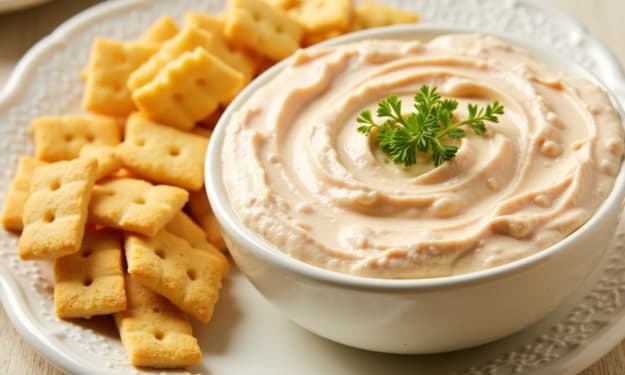
This dessert dip features an unexpected protein- and fiber-rich ingredient: chickpeas. The chickpeas blend well with bittersweet chocolate to create a sweet bite. Dip graham crackers, apple slices, pretzels, strawberries, or this chocolaty spread.
By Kajal Devi2 years ago in Chapters
Is Leather Sustainable?
Introduction Leather has long been a staple material in the fashion industry, used in everything from shoes and bags to jackets and accessories. However, as sustainability becomes a key concern for consumers, the ethical and environmental impact of leather production is under increasing scrutiny. This article explores whether leather is truly sustainable, covering its environmental footprint, ethical considerations, and ways to make leather production more sustainable.
By Sheepskin Leathers2 years ago in Chapters