Health
Does Ramadan Fasting Improve or Reduce Work Performance? The Science Behind Focus, Energy, and Productivity
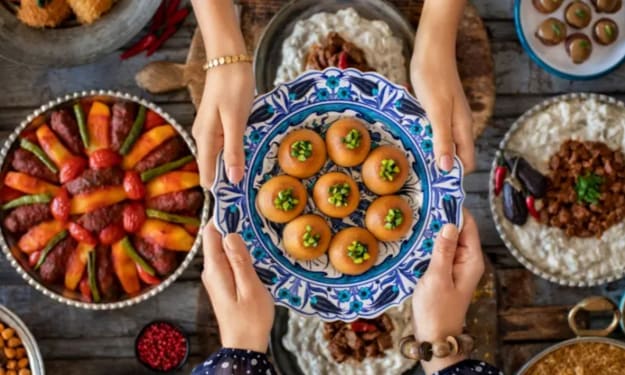
During the month of Ramadan, consistently observing fasts causes many people to face issues such as fatigue and reduced concentration at work. However, there are also many who experience positive effects of fasting on their lives and claim that fasting increases their focus at work and helps them organize their tasks more effectively. With the arrival of Ramadan, office and working hours are reduced in Pakistan as well as in many Arab and Muslim countries. This change in schedule can sometimes create a sense among employees that they can postpone their daily tasks until after iftar or even until the end of Ramadan. Research conducted in this regard has shown how fasting affects our brain and physical activities, and how this directly relates to our work performance. Although scientific research has confirmed that fasting can help improve focus and organize activities, the important question is whether these benefits actually affect employees’ performance in offices. How Fasting Enhances Focus and Stimulates Mental Energy
By Real content8 months ago in Chapters
Why Muslims Break Their Fast with Dates: Health Benefits During Ramadan
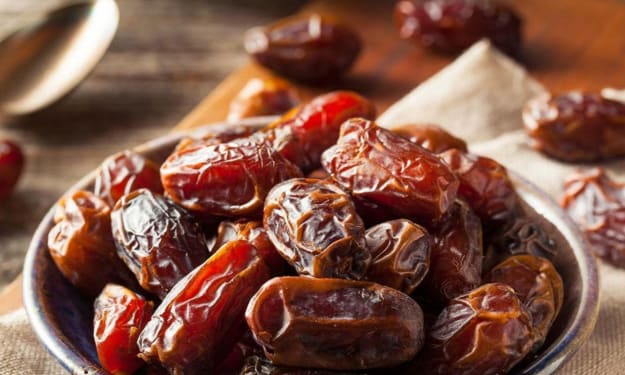
During the month of Ramadan, millions of Muslims in Pakistan and around the world will do almost the same thing at sunset: they will break their fast with dates. Fasting is one of the five pillars of Islam. During Ramadan, Muslims refrain from eating and drinking from sunrise to sunset. According to Islamic traditions, the use of dates to break the fast was recommended by the Prophet of Islam, and dates are also mentioned in several places in the Qur’an, the holy book of Muslims. But what health benefits do dates have that make them an ideal food for those who fast? Nutritional benefits When you have not eaten for a long period of time, such as from sunrise to sunset, the nutritional composition of dates makes them an excellent food for the human stomach. UK-based nutritionist Shehnaz Bashir says, “When you break your fast, your body immediately tries to produce glucose because it needs it as fuel.” Dates contain a high amount of sugar, which raises blood sugar levels much faster compared to other foods. Shehnaz Bashir further says, “Dates are unique in that they contain both simple sugars and complex carbohydrates.” This means that this fruit continues to provide the body with a large amount of energy. It is ideal for a person who has not eaten for a long time. Dates are rich in vitamins A, K and B6 as well as iron, and help provide all essential nutrients to the body in a short time. Preventing dehydration Although dates are a dried fruit, they still prevent dehydration in the body. They naturally contain the electrolyte potassium, which acts like a magnet for water and fills the body’s cells with water. According to Shehnaz Bashir, “Many people break their fast with dates along with water. This is best for maintaining energy as well as keeping the body hydrated. She further said, “After this, there is often no need to take additional electrolytes.” Overeating Some people lose weight during Ramadan, but if you overeat at the time of iftar, fasting can also cause weight gain. Traditionally, some Muslims eat dates in an odd number (three, five, seven or nine) as soon as they break their fast and then immediately offer the Maghrib prayer, after which they return to eat food. As soon as the human body begins to digest the fiber-rich dates, the desire to overeat may decrease and a person may eat in moderation. Shehnaz Bashir says, “This (dates) gives your body a chance to understand that it has actually received some food and that the process of digestion has begun. Digestion Complaints of constipation and bloating become common among fasting Muslims. This is because on normal days eating and drinking continue throughout the day, so the intestines also keep moving, whereas during long fasts this process slows down. Dates are an excellent source of fiber, which helps waste pass easily through the intestines. The UK National Health Service recommends consuming 30 grams of fiber daily. Shehnaz Bashir says, “Sometimes during Ramadan we crave simple carbohydrates, but if we cook with planning we can ensure the presence of fiber in it.” Using dried fruits in food is an easy way to increase the amount of fiber. If I do not like dates, what should I do? Fasts during the month of Ramadan are observed on religious grounds. Apart from this, the trend of not eating for a long period for health reasons is also gaining popularity around the world. According to Shehnaz Bashir, “It is almost exactly like how we fast during Ramadan.” If you do not like dates, it does not matter; there are hundreds of varieties of dates available, try a few. Shehnaz Bashir says, “All of them have different textures, some are chewy, some very soft, some have thick skin and some thin.” She says, “Blend dates and milk together, add a little yogurt and dried fruits to it and use it. These are good foods that benefit the body in many ways.
By Real content8 months ago in Chapters
How Black Pepper and Olive Oil Boost Vitamin Absorption Naturally
Adding black pepper or dressings (such as oil and vinegar) to your food may help you absorb more vitamins and minerals. Scientists believe this can increase the nutritional value of food. Black pepper has been a valuable spice for thousands of years because it gives food a distinctive flavor. The black pepper plant originally came from India, where it has been cultivated for more than 3,500 years. It became one of the most valuable commodities of the ancient world. Today, most of us sprinkle it over our meals for flavor without thinking much about it. However, adding black pepper to your food can do much more than enhance taste. It can increase the amount of nutrients you get from your meals. Black pepper contains a chemical that helps vitamins and other nutrients be more easily absorbed into the bloodstream. It has also been observed that tiny fat droplets found in milk and olive oil can improve the body’s access to nutrients. Scientists are now trying to use these effects to develop new types of fortified foods and to help people who struggle to absorb the nutrients they need to stay healthy. Despite the availability of highly nutritious foods, we still face a problem: our bodies can lose vitamins and minerals as they pass through the digestive system. Take sweet corn, for example. Corn kernels are undoubtedly rich in nutrients—they are full of fiber, protein, vitamins, and micronutrients such as potassium. However, the outer layer of the kernels is difficult for our bodies to break down, especially if we do not chew them thoroughly. David Julian McClements, a professor of food sciences at the University of Massachusetts in the United States, says: “When you eat corn, it often passes through your body undigested, with all the nutrients still trapped inside.” However, chewing corn properly releases the nutrient-rich pulp inside so it can be digested.
By Real content8 months ago in Chapters
Should You Wash Chicken Before Cooking? Health Experts Warn About Salmonella and Campylobacter Risks
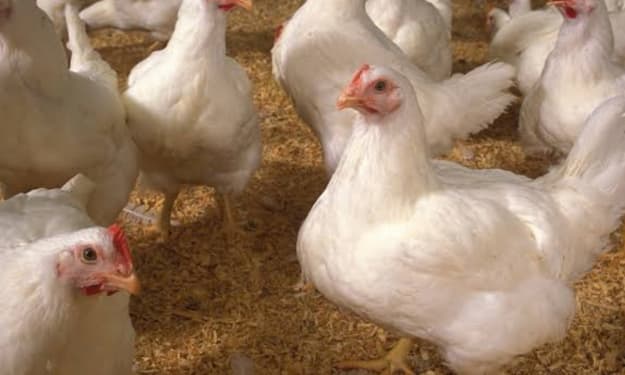
Whether chicken should be washed before cooking is a question that sparks a fresh debate on social media every time it comes up. Official food safety guidelines in the Western world are very clear: “Do not wash chicken because it can spread harmful bacteria. However, in many parts of the world, washing chicken is a long-standing cultural tradition associated with cleanliness and care. For example, Jamaican TV chef and author April Jackson deliberately includes clips of washing chicken in her videos because she knows it is a “hot topic.” She says, “People say I shouldn’t wash chicken in a bowl or sink; some call it dirty and inappropriate behavior.” On the other hand, some believe that cooking and eating chicken without washing it is unhealthy. Content creator Fidwa Hlili, who shared her Moroccan mother’s ten-step chicken-washing method on TikTok, says she enjoys reading the comments. She says, “People write that this is why you don’t eat at other people’s houses or join shared meals at work.” This distrust exists in parts of Asia, the Caribbean, South America, Africa, and some Mediterranean cultures. Why Is Washing Chicken So Dangerous? Raw chicken contains bacteria called Campylobacter and Salmonella, which cause food poisoning. Dr. Kimon Andreas Karatzas, Associate Professor of Food Microbiology at the University of Reading in the UK, says, “When you wash chicken in your kitchen, it creates tiny water droplets or splashes that can spread disease.” These droplets can carry invisible bacteria and spread them widely over sinks, kitchen surfaces, and nearby food. To demonstrate this, Karatzas conducted an experiment. He applied a chemical substance to raw chicken that allowed bacteria to be seen under ultraviolet light. He then washed the chicken under running water for less than ten seconds. The water splashed around the sink area. To the naked eye, these appeared to be harmless water droplets that could easily be wiped away. However, under ultraviolet light, the germs were clearly visible. Droplets containing bacteria had landed on the counter, on the professor’s lab coat, on the camera, and most importantly on lettuce leaves and carrots that were meant to be eaten raw in a salad. This means that even if you cook the chicken thoroughly, you can still get sick because other foods placed on contaminated surfaces may have become infected. Karatzas says, “This is the most common way people get infected with Salmonella and Campylobacter—you contaminate something you plan to eat raw with bacteria from something that will be cooked later.” Why Is Campylobacter So Dangerous? According to the World Health Organization, Campylobacter is one of the four main global causes of diarrheal diseases and is the most common bacterial cause of gastroenteritis (inflammation of the stomach and intestines), particularly in young children, leading to diarrhea and vomiting. It is considered more dangerous than Salmonella partly because vaccination programs have reduced Salmonella levels in chickens, while there is no vaccine against Campylobacter. Both bacteria naturally live in chickens’ intestines. During slaughter and processing, intestinal contents can contaminate the surface of the meat. Karatzas says, “You should always assume chicken contains Campylobacter and Salmonella. Most chickens worldwide are free-range and are not raised under strict, controlled systems, so they are more likely to carry these bacteria.” The infectious dose of Campylobacter is very small. A single drop can contain about 10 trillion Campylobacter bacteria—one thousand times more than the number of people on Earth. Karatzas adds, “If even a tiny drop of Campylobacter or chicken juice gets onto something, that alone can easily make you sick.” What Are the Symptoms of Infection? According to the UK Food Standards Agency, more than 250,000 people in the UK alone are infected each year. Symptoms usually appear two to five days after infection. The most common symptom is diarrhea, often bloody. Other symptoms include stomach pain, fever, headache, nausea, and vomiting. People over 60 and young children are more likely to develop severe illness. In some cases, symptoms can be severe or prolonged and may require antibiotic treatment. In rare cases, the infection can lead to other conditions such as chronic bowel problems, arthritis, and a type of paralysis known as Guillain-Barré syndrome. However, people often do not associate stomach illness with preparing chicken. Experts say many infections are never officially diagnosed, and statistics include only those cases where patients were sick enough to seek medical help and provide samples for testing. Karatzas says, “We only see what is visible, and the real number of cases may be ten times higher.” Why Do People Still Wash Chicken? According to a study published in the scientific journal Food Control in 2024, 96 percent of people in eight Southeast Asian countries wash chicken. Research over the past decade in the US, Europe, and Australia found that between 39 and 70 percent of consumers also admitted to washing chicken. In much of the Western world, chicken is produced under highly regulated and strictly monitored industrial conditions and is sold already cleaned. However, in many parts of the world, meat is slaughtered locally, sometimes in open markets where access to clean running water and proper sanitation may be limited. In such environments, washing chicken is considered necessary. For some people, it is not just about cleanliness but also about identity, upbringing, and memories associated with home and country. When Chef Jackson first moved to the UK and saw a warning on chicken packaging advising not to wash raw chicken, she was so surprised that she took a photo and sent it to her family in Jamaica. She says she understands the science, but “when we wash chicken, you can see the water become very cloudy.” She explains, “It looks very dirty, and we don’t want to eat something like that.” Many argue that the real issue is how chicken is washed. Both chefs interviewed said they wash chicken in a bowl, often with vinegar or lemon, and then thoroughly clean and disinfect the surrounding area. Hlili says, “My mother completely cleans the sink with hot water and soap and then uses antibacterial spray.” Those strongly in favor of washing chicken argue that the general advice not to wash it is part of a broader inconsistency in food safety guidelines. Jackson says, “For example, when you wash a chopping board that had chicken on it, the same risk exists.” She adds, “In French cooking, chicken is soaked in salted water before cooking, which is called brining. That means you soak chicken in salted water, and I’ve never heard anyone say you shouldn’t do that. But essentially, it’s the same process.” Although Karatzas agrees that washing chicken in a bowl may be relatively safer, he says there is still risk, and washing with lemon or vinegar does not reliably reduce large amounts of bacteria. “The only way to kill bacteria is to cook it,” he says, “and most chicken has already been washed by the company that sells it to you. So there is no need to wash it again.
By Real content8 months ago in Chapters