Food
Vitamin D Deficiency: Add These 8 Foods to Your Daily Diet.
1. Fatty Fish Fatty fish like salmon, mackerel, and trout are some of the best natural sources of vitamin D. Just a small serving (around 3.5 ounces) of salmon, for example, can provide over half of the daily recommended intake for most adults. To add variety, try including other oily fish such as herring and sardines, which are also nutrient-dense and packed with omega-3 fatty acids.
By Md. zahirul Islam2 years ago in Chapters
The Allure of Tasty, Spicy Food: Why We Love the Heat
The Science of Spice Spicy food gets its heat primarily from compounds found in plants. For example, the fiery sensation in chili peppers comes from capsaicin, a compound that binds to receptors on our tongue and sends signals to the brain that mimic the sensation of heat. This triggers a pain response, yet many find that pain surprisingly pleasurable. It turns out, eating spicy food releases endorphins, the body's "feel-good" chemicals, which may explain why spice lovers often crave that next fiery bite.
By Md. zahirul Islam2 years ago in Chapters
Asad Mahmood New York: The Journey of the Best Nutritionist in the Industry
Asad Mahmood New York has established himself as one of the top nutritionists in the world, becoming a household name in the health and wellness industry. With a career spanning over two decades, his expertise in nutrition, holistic health, and wellness has transformed the lives of countless individuals. From celebrities to athletes, and even everyday people looking to improve their well-being, Asad Mahmood New York has crafted personalized nutrition plans that deliver remarkable results. This biography highlights his journey from a passionate student of nutrition to the best nutritionist in the industry.
By Asad Mahmood NYC2 years ago in Chapters
The Delightful World of Ice Cream
The origins of ice cream date back thousands of years, though in a form quite different from what we know today. Ancient civilizations, such as the Persians and the Chinese, enjoyed versions of flavored ice mixed with fruit or honey. The Persian royals reportedly sent their servants to the mountains to fetch snow, which they flavored with grape juice concentrate to make an ice-based dessert. In China, there are records of mixing milk with rice and freezing it in the snow to create early renditions of ice cream.
By Tasnuba Humayra2 years ago in Chapters
The Future of Food in 2024: Trends and Innovations Shaping Our Plates
For the human being, food is the heart of living. However, food in 2024 is not just meant to nourish; it symbolizes culture and way of life, and more so technology. People grow, prepare, and consume food in a different way due to time, which reasons range between tradition and innovation. These include the rise of vegetarian diets and the influence of latest technologies on home kitchens. Compared to food in years gone by, food in 2024 is now much diversified, sustainable, and delicious.
By shabana begam2 years ago in Chapters
60 high protein meals and snacks ideas
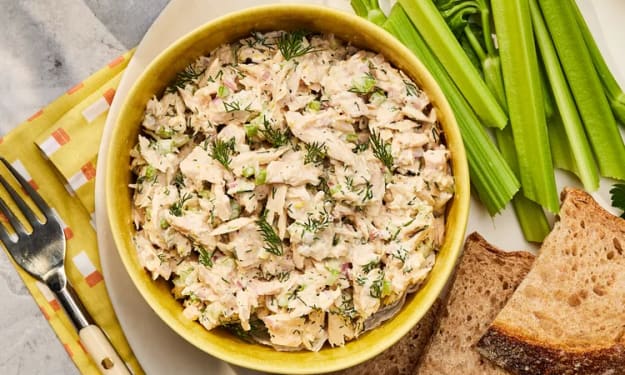
**60 High-Protein Meals and Snack Ideas to Fuel Your Day** Protein is essential for building muscle, repairing tissue, and maintaining overall health. Whether you're an athlete, trying to lose weight, or just want to ensure a balanced diet, integrating high-protein meals and snacks is crucial. Here’s a list of 60 ideas to help you boost your protein intake throughout the day. ### **Breakfast: Start Your Day Right** 1. **Greek Yogurt with Berries and Almonds** Rich in protein and probiotics, Greek yogurt paired with antioxidant-packed berries and almonds provides a crunchy, nutritious start. 2. **Egg White Omelette with Spinach and Mushrooms** Egg whites offer pure protein, and adding veggies increases your fiber intake. 3. **Cottage Cheese and Pineapple** High in protein and calcium, cottage cheese pairs wonderfully with the sweetness of pineapple. 4. **Protein Pancakes** Made with protein powder and oats, these pancakes provide sustained energy. 5. **Chia Seed Pudding** A blend of chia seeds and almond milk gives you omega-3s, fiber, and protein. 6. **Overnight Oats with Peanut Butter and Protein Powder** Oats are a great base, and adding protein powder and peanut butter kicks up the protein content. 7. **Avocado Toast with Egg** This combination of healthy fats and protein is perfect for a hearty breakfast. 8. **Smoked Salmon and Cream Cheese on Whole Grain Bagel** Smoked salmon is rich in omega-3s and protein, paired with the satisfying taste of cream cheese. 9. **Quinoa Breakfast Bowl with Almond Butter and Banana** Quinoa is a complete protein, and almond butter and banana make it even more nutrient-dense. 10. **Scrambled Eggs with Turkey Bacon** Simple and packed with protein, turkey bacon offers a leaner alternative to traditional bacon. ### **Lunch: Midday Protein Boost** 11. **Grilled Chicken Salad with Avocado and Nuts** A balanced salad with lean chicken, healthy fats from avocado, and a crunch from nuts. 12. **Tuna Salad with Greek Yogurt** Substitute mayo with Greek yogurt for added protein. 13. **Quinoa and Black Bean Bowl** This vegetarian-friendly meal is packed with fiber and plant-based protein. 14. **Lentil Soup** High in fiber and protein, lentils make for a filling, nutritious lunch option. 15. **Turkey and Hummus Wrap** Whole wheat wrap stuffed with lean turkey, hummus, and veggies offers a light yet filling lunch. 16. **Grilled Shrimp Skewers** A light and flavorful way to get in some seafood protein. 17. **Chicken and Veggie Stir-Fry** A simple stir-fry with lean chicken breast and colorful vegetables offers protein and vitamins. 18. **Turkey Chili** Packed with beans and lean turkey, this hearty chili is ideal for colder days. 19. **Salmon Salad with Olive Oil and Lemon** Omega-3-rich salmon, drizzled with olive oil, makes a fresh and healthy lunch. 20. **Egg Salad on Whole Grain Bread** Hard-boiled eggs mixed with a little mustard and mayo or Greek yogurt create a protein-packed filling. ### **Dinner: Filling and Nutritious** 21. **Grilled Steak with Asparagus** Lean steak provides a hearty dose of protein, and asparagus adds vitamins and minerals. 22. **Baked Cod with Lemon and Herbs** Cod is a lean protein, and baking it with herbs and lemon adds flavor without extra calories. 23. **Chicken Stir-Fry with Tofu** A mix of chicken and tofu provides a dual protein source. 24. **Spaghetti Squash with Turkey Meatballs** A low-carb alternative to pasta, paired with high-protein turkey meatballs. 25. **Baked Chicken Breast with Quinoa and Veggies** A well-rounded meal that’s simple yet packed with protein and fiber. 26. **Beef and Broccoli Stir-Fry** A classic combination that offers protein and healthy fats from lean beef. 27. **Stuffed Peppers with Ground Turkey and Black Beans** A flavorful dish filled with protein from turkey and fiber from black beans.
By Vivian Nwanakwere 2 years ago in Chapters
What is the best food for liver and kidney?
Your liver and kidneys play vital roles in maintaining your body’s overall health. They filter toxins, metabolize nutrients, regulate blood pressure, and keep the body's internal environment balanced. A diet rich in nutrients and antioxidants supports the optimal functioning of these organs. Let’s explore some of the best foods for liver and kidney health and why they’re beneficial. 1. Leafy Greens Leafy greens, such as spinach, kale, and Swiss chard, are packed with nutrients like magnesium, potassium, and vitamins A, C, and K, which aid in detoxification. They’re also high in chlorophyll, which helps neutralize heavy metals, pesticides, and other chemicals that can harm the liver. For kidney health, leafy greens offer anti-inflammatory benefits and reduce the risk of kidney stones. They are low in potassium compared to other vegetables, making them kidney-friendly. Regular consumption of these greens can assist in flushing out toxins and supporting kidney function. 2. Cruciferous Vegetables Cruciferous vegetables, including broccoli, cauliflower, Brussels sprouts, and cabbage, are known for their sulfur compounds, which support liver detoxification. These compounds increase the production of detoxification enzymes, assisting the liver in removing toxins from the body. Additionally, these vegetables contain high levels of fiber, which supports digestive health. A healthy digestive system is crucial for reducing the workload on the liver and kidneys. They are also packed with antioxidants and vitamins that can reduce inflammation, a risk factor for kidney damage. 3. Berries Berries, such as blueberries, strawberries, raspberries, and cranberries, are antioxidant powerhouses. They contain compounds like anthocyanins, which are effective in reducing inflammation and oxidative stress in the liver. This is especially helpful in cases where the liver is working hard to break down toxins or medications. Cranberries, in particular, are beneficial for the kidneys. They contain compounds that can help prevent urinary tract infections, which can reduce strain on the kidneys. Berries are also low in sugar and high in fiber, making them an ideal fruit choice for those with kidney concerns. 4. Fatty Fish Fatty fish, such as salmon, mackerel, sardines, and trout, are rich in omega-3 fatty acids. Omega-3s help reduce inflammation throughout the body, including in the liver and kidneys. This is essential for preventing fatty liver disease and chronic kidney disease. Fish like salmon and mackerel are also packed with high-quality protein, which the liver and kidneys use to perform many of their essential functions. However, it’s important to consume fatty fish in moderation to avoid an overload of protein, which can place additional strain on the kidneys. 5. Garlic Garlic contains sulfur compounds, which are known for their detoxifying properties. These compounds enhance the activity of liver enzymes responsible for flushing out toxins. Garlic is also rich in selenium, a mineral that has antioxidant properties, supporting the liver in protecting itself from damage. For kidneys, garlic has anti-inflammatory and diuretic properties, which can reduce blood pressure and help the kidneys eliminate excess salt and water. Including garlic in your diet can promote better blood flow and reduce the load on the kidneys. 6. Apples Apples are high in pectin, a type of soluble fiber that can help lower cholesterol levels. Pectin binds to toxins and helps remove them from the digestive tract, reducing the liver’s workload. Apples also contain high levels of vitamin C, which supports the immune system and aids in tissue repair. Apples are beneficial for the kidneys because they’re low in potassium and high in fiber, making them suitable for a kidney-friendly diet. Their anti-inflammatory properties also help reduce the risk of kidney stones and support healthy kidney function. 7. Turmeric Turmeric is a powerful anti-inflammatory spice containing curcumin, an active compound that helps in liver detoxification. Curcumin stimulates bile production, aiding in the digestion of fats and the removal of waste from the body. It has also been found to reduce liver damage from oxidative stress. For the kidneys, turmeric’s anti-inflammatory properties help in reducing inflammation, a common issue in chronic kidney disease. Regular intake of turmeric may reduce the risk of kidney damage, but it’s essential to consume it in moderation, as excessive amounts of curcumin may strain the kidneys. 8. Green Tea Green tea is rich in antioxidants, particularly catechins, which have been shown to improve liver enzyme levels and reduce fat buildup in the liver. Green tea also assists the liver in detoxifying by improving liver function and fighting inflammation. Green tea is hydrating, which is beneficial for kidney health. Proper hydration helps kidneys filter toxins more effectively. However, it’s important to limit green tea to moderate amounts due to its caffeine content, as excessive caffeine can strain the kidneys. 9. Beets Beets contain betaine, a compound that aids in liver detoxification and helps protect the liver from oxidative stress. Beets are also high in antioxidants and nitrates, which help in reducing blood pressure and supporting overall heart health, indirectly benefiting the kidneys. In addition to their liver benefits, beets support kidney health by promoting detoxification and reducing inflammation. They can be included in the diet as a juice, salad ingredient, or cooked vegetable, providing versatility and numerous health benefits. 10. Nuts and Seeds Nuts and seeds, such as almonds, walnuts, chia seeds, and flaxseeds, are rich in healthy fats, vitamins, minerals, and antioxidants. They are particularly beneficial for liver health due to their vitamin E content, which helps protect the liver from inflammation and oxidative stress. For kidney health, certain nuts and seeds can be beneficial, though moderation is key due to their potassium and phosphorus content. They can help reduce blood pressure and cholesterol, both of which are important for maintaining healthy kidney function. Additional Tips for Liver and Kidney Health In addition to incorporating these foods into your diet, here are a few lifestyle tips for maintaining optimal liver and kidney health: Stay Hydrated: Drinking enough water aids in the removal of toxins and supports kidney function.
By Devender Singh2 years ago in Chapters
My favorite breakfast
Today ,I am here to talk about my favourite breakfast in Malaysia. It is “roti canai” .Roti canai is an indian dish and it’s made out of flour and water. It is fried with butter. It is served with various kinds of curry and “dal” which is a dipping sauce made of lentils and a whole lot of spices. It is commonly eaten with ”teh tarik” which is tea with condensed milk. It very sweet because of the condensed milk so I often just tell them to put less. I love it because I love the curry that is filled with spices and the fried crispy ”roti canai”.Furthermore ,it’s price is so cheap It is only RM2.10 Which only roughly 30sens us dollar. That’s all for today follow me to know more about Malaysia the best country for food (accordingly to Uncle Roger not me).
By Jun Yew Lai2 years ago in Chapters
Kosher Certification for Specialty Food Producers: A Step-by-Step Guide
As the demand for kosher products continues to grow, many specialty food producers are recognizing the importance of obtaining kosher certification. Whether you produce artisanal foods, organic products, or dietary supplements, kosher certification can open new market opportunities, increase consumer trust, and enhance brand credibility. But what exactly is kosher certification, and how can specialty food producers obtain it?
By klbdkosher2 years ago in Chapters
NATURAL REMEDIES FOR HALITOSIS (MOUTH ORDOR)
**Natural Remedies for Halitosis: Freshen Your Breath the Natural Way** Halitosis, commonly known as bad breath, can be an embarrassing and persistent issue that affects millions of people. While commercial mouthwashes and gums are often quick fixes, they don't always address the root cause of bad breath and may sometimes contain harsh chemicals. Fortunately, nature offers a range of remedies that can help combat halitosis effectively and sustainably. In this article, we’ll explore the best natural remedies for bad breath, why they work, and how you can incorporate them into your daily routine.
By Vivian Nwanakwere 2 years ago in Chapters