Children's Fiction
The Orphans in the Woods
Gertrude was sitting on the couch watching her brother sort through tools and place items in bags and clothes in his suitcase. She was trying to see what he was packing so that she could pack properly also. She started drifting off to sleep feeling exhausted, and finally she passed out on the couch. When Rohan noticed that she had fallen asleep, he stopped packing and went to her, nudging her gently.
By Shanon Angermeyer Norman2 years ago in Chapters
The Orphans in the Woods. Top Story - January 2025.
Rohan washed the dishes and put them away. He was grateful that his sister had cooked dinner. It wasn't as good as Mom's cooking, but for her first try it wasn't that bad. She'd get better. Gertrude had begun looking around the house for money as Rohan had told her. After Rohan was done putting the washed dishes away, he double checked the front door to make sure it was locked. He glanced at the telephone on the wall in the kitchen. No one had called yet and he was glad. He wondered if he should disconnect the phone or leave it alone. He decided to leave it alone for now. He walked through the living room to his bedroom to find his large suitcase. He had to pack the suitcase carefully with his best camping clothes.
By Shanon Angermeyer Norman2 years ago in Chapters
The Orphans in the Woods
While Rohan was in the living room sorting through various supplies in the wheelbarrow, Gertrude was in the kitchen straining spaghetti noodles. She opened a can of tomato sauce and found a jar of parmesan cheese in the refrigerator. She set the table for her and her brother the way she had always done every night for her mother. They had chores. Her chores included setting the table, clearing the table of the dishes, putting the clean dry dishes back in the cabinet, and sweeping. Her brothers chores included taking the garbage out, helping Mom bring groceries in and put them away, cleaning the bathroom, and general maintenance when Dad wasn't around like changing light bulbs or making sure the grass or snow wasn't blocking the driveway. They were good obedient children. They believed in God and they loved their parents. They had been taught well at home and in school even though Rohan had only begun 4th grade and Gertrude had just started 2nd grade. They were intelligent children, excelling in their school studies without complaining about the various disciplines they were being taught.
By Shanon Angermeyer Norman2 years ago in Chapters
The Orphans in the Woods
Rohan was 9 and his sister Gertrude was 7 when they lost their parents. The year was 1970 when the tragedy happened and the siblings became orphans on the run. They had been living in Branchville, New Jersey in a lovely 3-bedroom house with their parents - Stefan and Gretchen Hamberg. They were a happy family. Everything seemed just right. Stefan had a good job as a trucker. Gretchen took care of the home and children. Rohan and Gertrude rode the bus to school Monday through Friday. On Sundays, Stefan was always home for morning church and evening dinner. Life was good. Until the dreadful August day. It was the last date that Rohan would remember for any significant reason. August 18th, 1970. That was the day when Stefan and Gretchen were murdered.
By Shanon Angermeyer Norman2 years ago in Chapters
The Best Foods to Improve Digestive Health
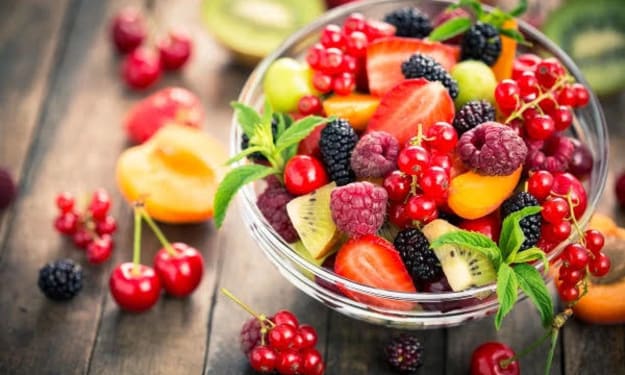
In recent years, gut health has taken center stage in the world of wellness, and for good reason. A well-functioning gut is key to overall health, influencing everything from digestion to immunity and even mental well-being. The foods we eat play a crucial role in maintaining a balanced gut microbiome—the diverse community of bacteria and microorganisms in our digestive system. If you're looking to support your gut health, here's a guide to the best foods that can make a difference. 1. Fiber-Rich Fruits and Vegetables Fiber is essential for gut health, as it acts as fuel for beneficial gut bacteria. Soluble fiber, found in foods like apples, carrots, and oats, helps regulate digestion, while insoluble fiber, found in whole grains and leafy greens, promotes regular bowel movements. Some standout choices include: Berries: Packed with antioxidants and fiber, berries like blueberries, raspberries, and blackberries can help reduce inflammation and support gut health. Leafy Greens: Spinach, kale, and Swiss chard are high in fiber and contain compounds that feed gut bacteria and help produce short-chain fatty acids (SCFAs), which are essential for a healthy gut lining. Cruciferous Vegetables: Broccoli, cauliflower, and Brussels sprouts contain fiber and nutrients that promote a balanced microbiome. 2. Fermented Foods Fermented foods are rich in probiotics, live bacteria that can enhance gut health by improving the balance of beneficial microorganisms. Including these in your diet can boost digestion and immunity: Yogurt: Choose plain, unsweetened yogurt with live and active cultures for a dose of gut-friendly probiotics. Kefir: This fermented milk drink is an excellent source of diverse probiotic strains. Kimchi and Sauerkraut: These fermented vegetables are teeming with beneficial bacteria and add a flavorful punch to meals. Miso: A staple in Japanese cuisine, miso is made from fermented soybeans and can be enjoyed in soups or marinades. 3. Prebiotic Foods Prebiotics are non-digestible fibers that feed the good bacteria in your gut. Including prebiotic-rich foods in your diet helps maintain a thriving gut microbiome: Garlic: Raw garlic is a potent prebiotic, promoting the growth of beneficial bacteria. Onions: These versatile vegetables contain prebiotics and antioxidants. Bananas: Particularly when slightly green, bananas are a great source of resistant starch, a type of prebiotic fiber. Asparagus and Artichokes: These vegetables are packed with prebiotics and can be easily incorporated into meals. 4. Whole Grains Whole grains like quinoa, brown rice, oats, and barley are high in fiber and promote the growth of beneficial gut bacteria. The complex carbohydrates in whole grains are slowly broken down, allowing them to nourish the gut over time. Additionally, whole grains are linked to reduced inflammation and better overall digestive health. 5. Healthy Fats Omega-3 fatty acids and other healthy fats have anti-inflammatory properties that benefit the gut. Some top sources include: Fatty Fish: Salmon, mackerel, and sardines are excellent sources of omega-3s. Nuts and Seeds: Chia seeds, flaxseeds, and walnuts are rich in healthy fats and fiber. Olive Oil: This heart-healthy oil is also beneficial for gut health when used in moderation. 6. Legumes and Beans Beans and legumes, such as lentils, chickpeas, and black beans, are rich in fiber and resistant starch, making them an excellent choice for gut health. They promote the production of SCFAs and help maintain a balanced microbiome. Start with small portions if you're not used to eating beans, as they can cause bloating in some individuals. 7. Polyphenol-Rich Foods Polyphenols are plant compounds with antioxidant properties that promote the growth of beneficial bacteria. Foods high in polyphenols include: Dark Chocolate: Choose varieties with at least 70% cocoa for maximum benefit. Green Tea: This soothing beverage is rich in catechins, a type of polyphenol. Berries: Blueberries and cherries are particularly high in polyphenols. Olives: Both the fruit and olive oil are great sources of these gut-boosting compounds. 8. Bone Broth Bone broth is a nutrient-dense food that supports gut health. Rich in collagen, gelatin, and amino acids, it helps repair the gut lining and reduces inflammation. Sipping on a warm cup of bone broth or using it as a base for soups can be soothing for the digestive system. 9. Water and Hydration While not a "food," staying hydrated is essential for digestive health. Water helps maintain the mucosal lining of the intestines and supports the movement of waste through the digestive tract. Aim to drink plenty of water throughout the day, and consider herbal teas or infused water for variety. Foods to Limit for Gut Health While focusing on gut-friendly foods, it's also important to minimize foods that can disrupt the microbiome, such as: Highly Processed Foods: These are often high in sugar, unhealthy fats, and additives that can harm gut bacteria. Artificial Sweeteners: Some, like aspartame, may negatively impact the gut microbiome. Excessive Alcohol: Overindulgence can lead to gut inflammation and an imbalance in gut bacteria. Final Thoughts Improving gut health is not about restrictive diets but about nourishing your body with a variety of whole, nutrient-dense foods. Incorporating fiber-rich fruits and vegetables, fermented foods, prebiotics, and healthy fats into your diet can transform your gut health and, in turn, your overall well-being. Remember, small, consistent changes can yield significant results. Start by adding one or two gut-friendly foods to your meals today, and enjoy the benefits of a healthier, happier gut!
By INFO INSIDER 2 years ago in Chapters
A Seat at the Table: Harper's Hill, Chapter 13
In Chapter 13 of "Harper's Hill," "A Seat at the Table," the story is developed with a complex power play and changing relationships between the central characters. This chapter is the turning point of the story, which brings in themes of ambition, loyalty, and social hierarchy.
By Pranshu verma2 years ago in Chapters