
Health and the Food
Why Fast Foods, Microwave Meals, and Processed Foods are Bad for Your Health

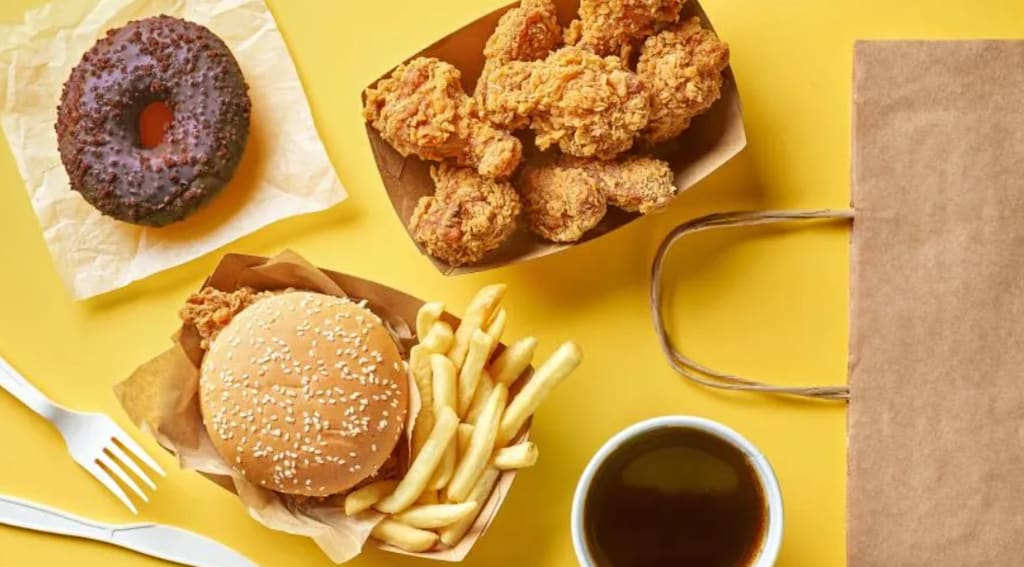
In today’s fast-paced world, convenience often comes at the expense of health. Fast food, microwave meals, and other ultra-processed foods have become a staple in many households due to their affordability, availability, and time-saving nature. However, behind the convenience lies a hidden cost — one that impacts our physical well-being, long-term health, and even mental clarity. Here’s why these types of foods are harmful and why it’s important to reconsider their role in our diets.
High in Unhealthy Fats, Sugar, and Salt
Most fast food and processed meals are packed with:
1. Saturated and trans fats, which raise bad cholesterol (LDL) and lower good cholesterol (HDL), increasing the risk of heart disease and stroke.
2. Added sugars, often found in sauces, dressings, and drinks, which spike insulin levels and contribute to weight gain, type 2 diabetes, and tooth decay.
3. Excess sodium (salt), which can lead to high blood pressure, kidney damage, and fluid retention.
These ingredients make the food taste better and preserve it longer, but they wreak havoc on your body when consumed regularly.
Lack of Nutritional Value
While fast food may be filling, it is often nutritionally empty. These meals typically lack:
1. Vitamins and minerals your body needs to function properly.
2 .Fiber, which is essential for healthy digestion, blood sugar regulation, and preventing overeating.
3. Protein variety, especially from lean or plant-based sources, which helps build and repair tissues.
This nutritional imbalance can lead to fatigue, poor concentration, weak immunity, and long-term nutrient deficiencies.
Linked to Obesity and Chronic Diseases
Numerous studies have linked high consumption of fast food and microwave-ready meals to:
1. Obesity, due to high calorie content and low satiety.
2. Type 2 diabetes, driven by excessive sugar and processed carbs.
3. Cardiovascular diseases, due to harmful fats and cholesterol.
4. Certain cancers, such as colorectal and stomach cancer, which have been associated with processed meat and artificial additives.
The more these foods become a part of your routine, the more you increase your risk for these serious conditions.
Artificial Additives and Preservatives
Many microwave and fast foods are loaded with:
1. Preservatives, like nitrates and sodium benzoate, which help keep food shelf-stable but may be harmful in large quantities.
2. Flavor enhancers, like monosodium glutamate (MSG), which can cause headaches, nausea, and allergic reactions in sensitive individuals.
3. Artificial colors and sweeteners, which have been controversially linked to behavioral issues and other health concerns.
Over time, frequent exposure to these chemicals can strain the liver and kidneys and contribute to systemic inflammation.
Negative Impact on Mental Health
Emerging research shows a strong connection between diet and mental well-being. Diets high in processed foods have been associated with:
1. Depression and anxiety, possibly due to nutrient deficiencies and blood sugar imbalances.
2. Brain fog, affecting concentration and memory.
3. Mood swings, caused by sugar crashes and poor gut health.
A healthy brain thrives on a diet rich in whole foods — fruits, vegetables, lean proteins, whole grains, and healthy fats.
Promotes Poor Eating Habits
Fast food and ready meals often encourage:
1. Overeating, because they’re designed to be hyper-palatable.
2. Mindless eating, due to portion sizes and eating on the go.
3. Food addiction, driven by the dopamine-releasing effects of sugar and fat combinations.
This creates a cycle of dependency that is hard to break, especially in children and teens who grow up with these foods as the norm.
While it’s fine to enjoy fast food or a microwave meal occasionally, relying on them regularly can have serious health consequences. Their convenience comes at a steep cost: poor nutrition, increased disease risk, and damage to mental well-being.
The best defense? Shift toward a balanced diet filled with whole, minimally processed foods, prepare meals at home when possible, and prioritize fresh ingredients. It might take more effort — but your body and mind will thank you for it in the long run.
About the Creator
Enjoyed the story? Support the Creator.
Subscribe for free to receive all their stories in your feed.
Comments
There are no comments for this story
Be the first to respond and start the conversation.