
Exploring the Astral
A Journey Beyond the Physical World

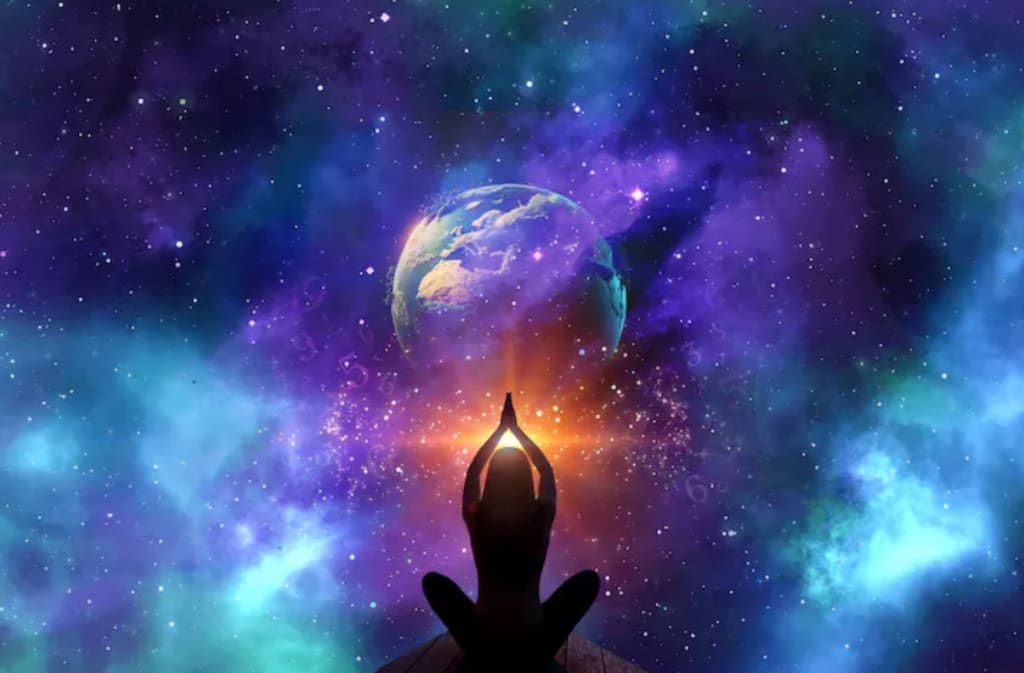
The concept of the astral has fascinated mystics, philosophers, and spiritual seekers for centuries. Often described as a non-physical plane of existence that exists beyond the material world, the astral realm is at the center of practices such as astral projection, lucid dreaming, and esoteric meditation. But what exactly is the astral, and why has it remained such a powerful part of human imagination and spirituality?
What Is the Astral?
The word astral comes from the Latin astralis, meaning “of the stars,” and it refers to a realm or dimension that is thought to exist parallel to our physical world. In metaphysical and spiritual traditions, the astral plane is believed to be a layer of existence composed of energy, thoughts, and emotions — a place where consciousness can travel independent of the physical body.
This idea appears in numerous cultures:
1. Ancient Egypt: The “Ka” (spiritual double) was thought to travel in dreams and after death.
2. Hinduism and Buddhism: Refer to subtle bodies and various non-physical planes.
3. Theosophy and Western Esotericism: Divide existence into multiple planes, with the astral being a bridge between the physical and the spiritual.
Astral Projection: Traveling the Non-Physical
One of the most intriguing aspects of the astral is the practice of astral projection, sometimes called an out-of-body experience (OBE). This is the belief that a person can willfully or spontaneously separate their consciousness from the physical body and travel in the astral realm.
Practitioners often describe:
1. Floating above their body
2. Moving through walls
3. Visiting distant places or even interacting with non-human entities
4. A sense of ultimate freedom, unbound by gravity or physical constraints
Though many experiences remain anecdotal, they are vivid and deeply transformative for those who undergo them.
The Astral in Dreams and Meditation
Not all access to the astral realm is intentional. Many spiritual traditions suggest that lucid dreaming or deep meditation can also lead to the astral plane. In lucid dreams, where one becomes aware they are dreaming, individuals may find themselves in environments similar to those described by astral travelers: surreal, symbolic, and sometimes populated by guides or other beings.
Meditation techniques like visualization, breathwork, and mantra chanting are also used to raise consciousness and “tune in” to the astral frequency, often described as lighter, more fluid, and emotionally responsive than the physical world.
What’s Found in the Astral Realm?
Descriptions of the astral plane vary widely, but common themes include:
1. Floating cities, crystal landscapes, and glowing rivers of energy
2. Spirit guides or higher intelligences offering wisdom
3. Lower astral regions that reflect negative emotions or unresolved issues
4. Temples of learning, where souls go between incarnations
In many traditions, the astral is not just a place for exploration, but a realm of healing, learning, and self-discovery.
Science and Skepticism
Mainstream science tends to explain astral experiences as vivid dreams, hallucinations, or neurological phenomena triggered by stress, trauma, or altered states of consciousness. Studies of OBEs under controlled conditions have not yet provided measurable evidence of consciousness leaving the body.
However, many argue that the subjective depth and consistency of these experiences suggest there is more to explore. Whether literal or metaphorical, the astral continues to inspire new ways of thinking about consciousness and reality.
Why the Astral Still Matters
In a world focused on material success and scientific reasoning, the astral offers something different: a window into inner dimensions, the subconscious mind, and the mysteries of existence. Whether interpreted as symbolic journeys of self-exploration or literal voyages of the soul, the astral realm encourages us to ask profound questions:
1. What is the true nature of consciousness?
2. Can we exist beyond the body?
3. What lies beyond life as we know it?
The astral remains one of the most compelling and mysterious ideas in spiritual thought. While it may never be fully explained or proven, its influence stretches across cultures, centuries, and consciousness itself. Whether approached with belief, curiosity, or skepticism, exploring the astral challenges us to expand our understanding of reality — and perhaps, of ourselves.
About the Creator
Enjoyed the story? Support the Creator.
Subscribe for free to receive all their stories in your feed.
Comments