
When the High Doesn't Feel Like a Warning: Louise Barnett on the Hidden Reality of Mania, Bipolar I, and Finding Her Way Back
Empowering Women

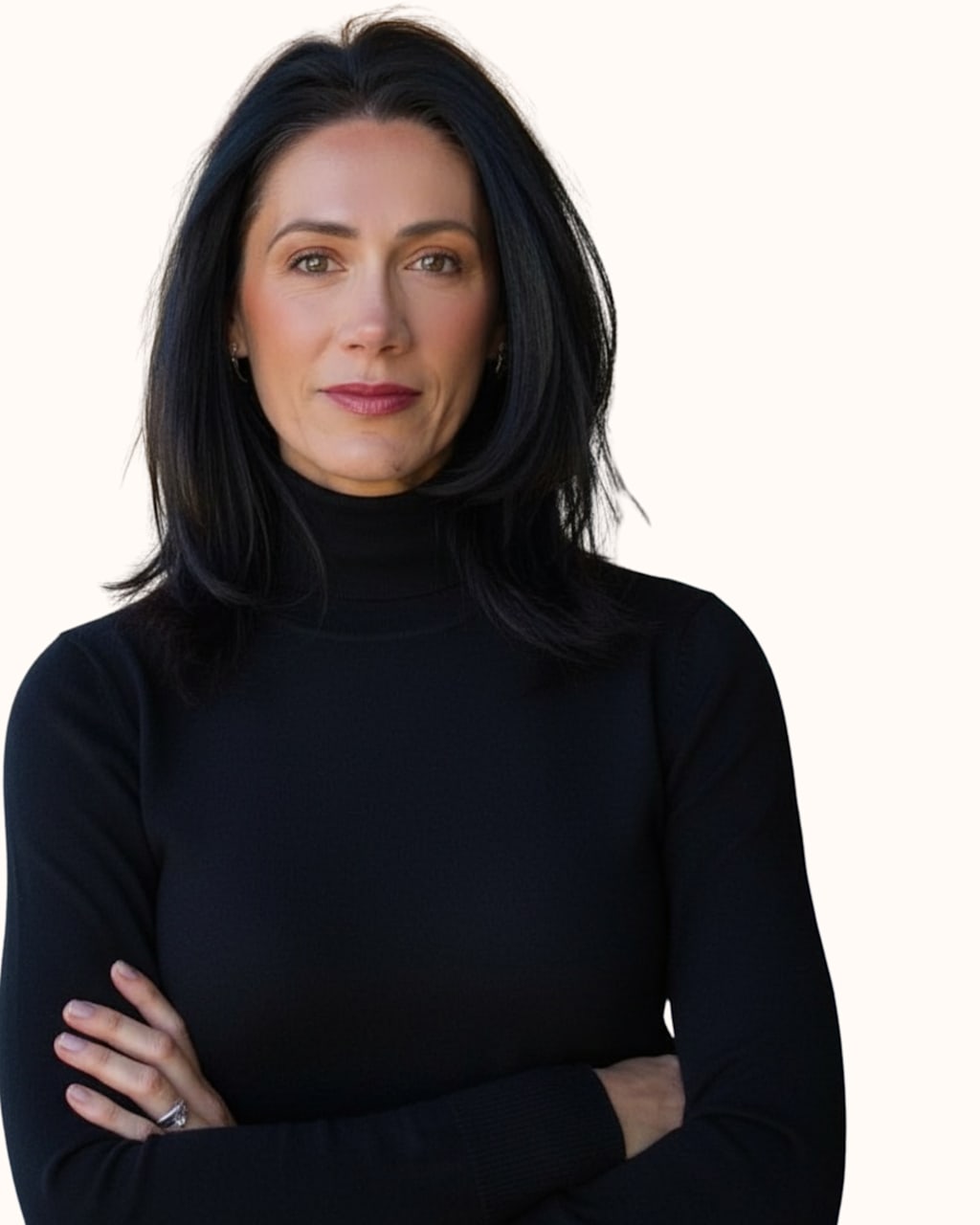
For Louise Barnett, mania didn’t arrive announcing itself as danger. It arrived disguised as confidence, creativity, ambition, energy, and possibility. For years, she mistook the intoxicating highs and devastating lows of her life as separate chapters rather than pieces of the same story. By the time she received a Bipolar I diagnosis, the consequences had already reshaped her relationships, her identity, and her future.
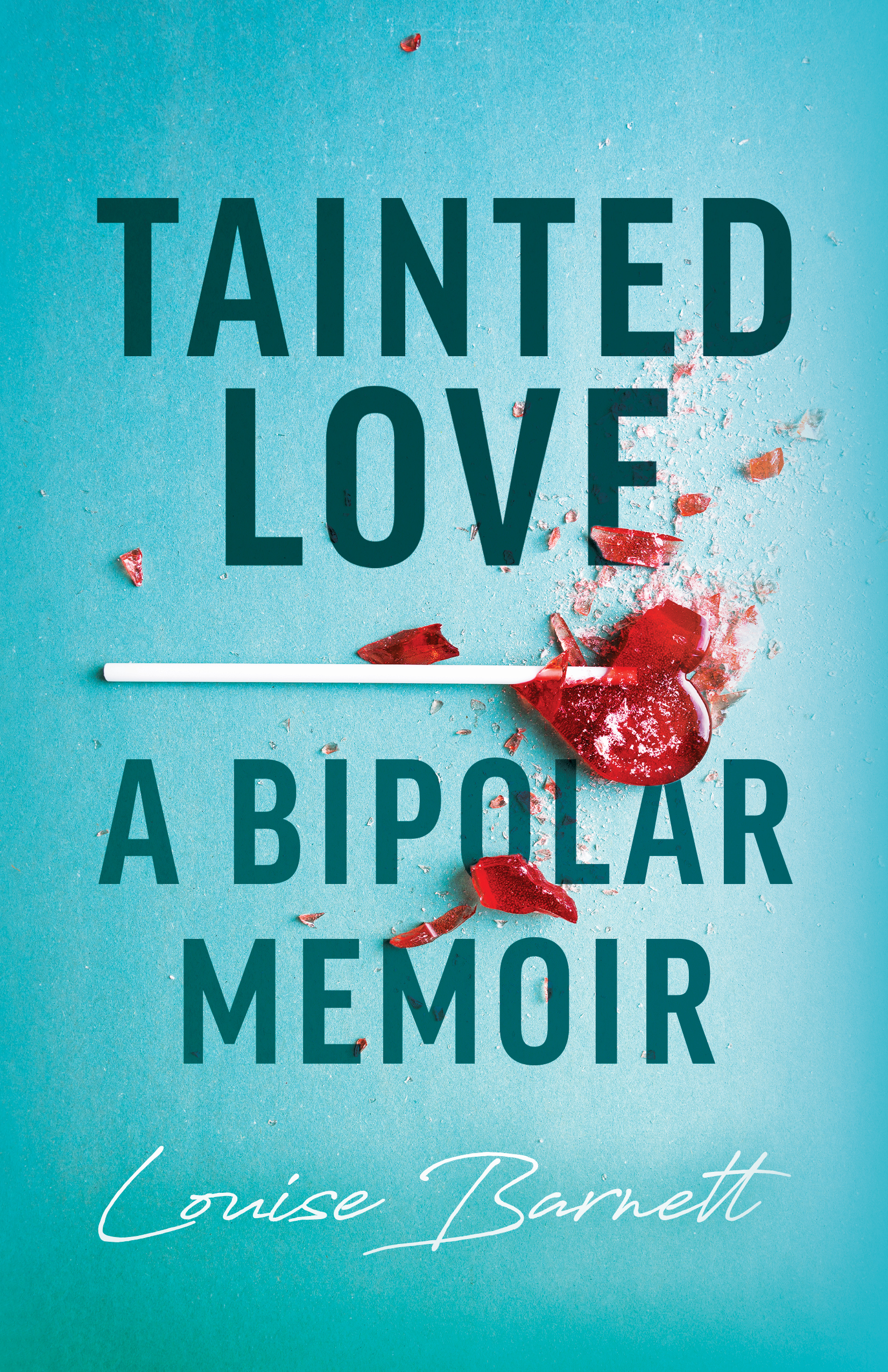
Now, as the author of Tainted Love: A Bipolar Memoir (October 2026), A Jay Shetty Certified Life Coach, and host of the I’m Bipolar. Now What? podcast, Barnett is telling the story she once carried with shame — and confronting the uncomfortable realities of mental illness without softening the truth. In this candid conversation, she opens up about recognizing mania from the inside, the warning signs she wishes she had understood sooner, the role loved ones can play, and what recovery looks like when healing isn’t a perfect before-and-after story.
You’ve described mania as something that can initially feel like confidence, creativity, energy, and possibility rather than something dangerous. What do you wish more people understood about what mania actually feels like from the inside?
Louise: Mania doesn’t always feel dangerous while you’re in it. I can feel confident, creative, ambitious, endlessly productive, like my brain is moving faster and the possibilities are limitless. That’s part of what makes it so difficult to recognize: some of my biggest warning signs were actually the periods when everyone around me thought I was doing incredibly well. It’s often only when the devastating crash comes afterward that you realize what was actually happening.
Looking back at your journey before receiving your Bipolar I diagnosis, were there signs or patterns that you now recognize as early warning signs? What helped you eventually learn to recognize those changes in yourself?
Louise: The biggest warning sign was the progressive extremes. My highs could look like a woman completing her MBA with high honors, an entrepreneur launching a profitable business, or a climber earning top-performer recognition. My lows were devastating — but I experienced all of those things as isolated events rather than seeing the pattern. The higher I flew, the more devastating the crash; it was this impossible duality, this Jekyll and Hyde existence. It wasn’t until I was admitted to the inpatient unit that a psychiatrist finally sat with me, truly listened, and looked at the whole timeline of my life rather than treating each depression or symptom in isolation that the individual pieces finally made sense.
You’ve experienced both the highs of mania and the devastating lows of depression. How has learning to understand both sides of bipolar disorder changed the way you view yourself and your life today?
Louise: I’ve stopped asking, “What’s wrong with me?” and started asking, “What do I need?” I spent so many years wondering where I ended and Bipolar I began. Were these choices mine, or were they symptoms? Today, I try to replace that judgment with curiosity: I recognize when I’m flying, I recognize when I’m dipping, and I respond to what I need in that moment. Bipolar I is woven into the fabric of who I am; it always will be, but my relationship with it has changed.
What role can loved ones play when they notice changes in someone’s behavior before that person is able to recognize what is happening themselves? What is the most supportive way to approach someone they’re concerned about?
Louise: Love, learn, and observe — not diagnose. Learn what bipolar disorder looks like for that person (not the Googled version), including their individual early warning signs, and speak up with curiosity when you notice meaningful changes. Support the treatment plan; don’t become the treatment plan.Ultimately, treatment and recovery have to remain the responsibility of the person living with bipolar disorder.
Your story includes addiction, self-destruction, and some incredibly difficult chapters, but it also includes sobriety, healing, and rebuilding. What has recovery taught you about resilience that you didn’t understand when you were in the middle of those struggles?
Louise: Resilience isn’t about never falling again; it’s knowing what to do when I feel myself starting to fall. I used to think recovery was this elusive emerald city I could finally arrive at if I did everything right, but I still experience mania and depression. The difference today is that I understand myself better; I have more awareness, a solid care team, and tools I didn’t have before. I don’t have a perfect before-and-after recovery story; I have a life that I now know how to navigate.
Your memoir, Tainted Love: A Bipolar Memoir, gives you an opportunity to tell the parts of your story that many people may be afraid to say out loud. What do you hope someone living with bipolar disorder feels after reading your story?
Louise: I hope they feel seen, heard, and less alone. For so many years, I carried so much shame around my mental illness, my relationships, my addiction, and the choices I made, and writing Tainted Love was my way of finally telling the whole truth without hiding the messy parts. I hope someone recognizes a piece of themselves in my story and starts asking “What do I need?” instead of “What’s wrong with me?” More than anything, I really believe our stories can become survival guides for one another.
You now use your lived experience through your writing, podcast, coaching, and community. How has turning your pain into purpose changed the way you see your past?
Louise: I can’t change my past, but I can change what I do with it. I look at my past with compassion without abandoning accountability. My diagnosis gave me context for my choices; it didn’t erase my responsibility for them. But instead of drowning in shame over the relationships, addiction, and choices I made, I can use what I’ve learned to help someone else feel seen, heard, and less alone, and maybe suffer a little less than I did.
If someone reading this is struggling with their mental health, feels ashamed of their diagnosis, or believes their life will always be defined by their illness, what would you want them to know?
Louise: You’ve gotten through 100% of your bad days. Bipolar is who I am — bipolar, through and through. It’s not a chapter I can close or a battle I can surrender; it’s woven into my very being, and I can’t predict or tame what tomorrow holds. But there’s power in that unwritten future — in learning to trade the erratic, unbridled highs and bottomless lows for moments of superhuman strength and profound reflection. The battle was never mine to win. The storms eventually pass, and we have the power to rebuild, stronger.
Connect online:
Instagram — @louisedbarnett
Facebook — Louise Barnett
LinkedIn — Louise Barnett
Website — LouiseBarnett.com
Podcast — I’m Bipolar. Now What?
About the Creator
Tammy Reese
Tammy is best known for her legendary interviews with Sharon Stone, Angela Bassett, Sigourney Weaver, Geena Davis, Morris Chestnut, Jeffrey Dean Morgan, Sheryl Lee Ralph, Laurence Fishburne, Omar Epps, Joseph Sikora, and more.
Enjoyed the story? Support the Creator.
Subscribe for free to receive all their stories in your feed.
Comments
There are no comments for this story
Be the first to respond and start the conversation.